
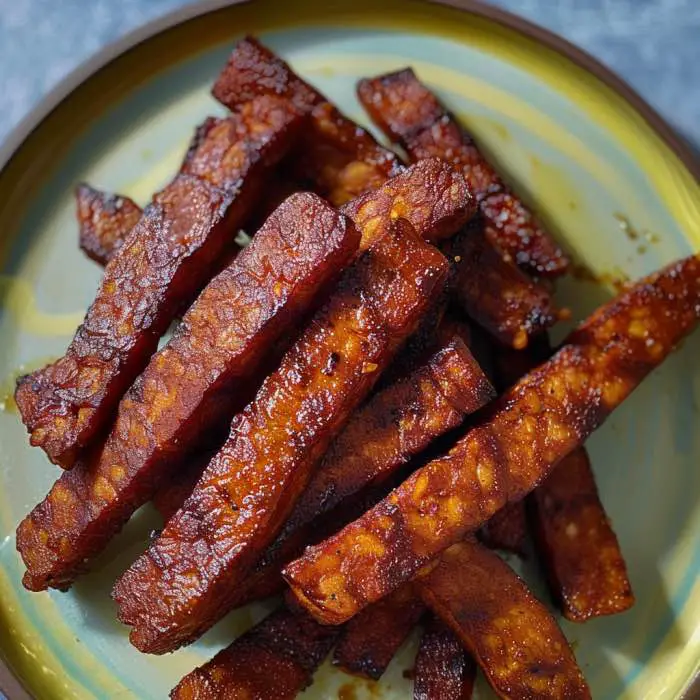
Tempeh Bacon: Your Ultimate Guide to the Savory, Smoky Plant-Based Superfood
Ah, bacon. That smoky, salty, crispy crave is a powerful one, isn’t it? For years, those choosing a plant-based path had to wave a sad goodbye to that quintessential breakfast sidekick. Well, not anymore. Forget the overly processed, oddly chewy imitations; there’s a new champion in town, and it’s crafted from a humble, fermented soybean cake. Get ready to meet tempeh bacon—your ticket to a genuinely delicious, guilt-free, and shockingly authentic bacon experience.
This isn’t just another substitute; it’s a serious upgrade. We’re talking about thinly sliced tempeh, marinated in a magical elixir of smoky, savory, and sweet flavors, then cooked to crispy perfection. Whether you’re a committed vegan, a curious flexitarian, or just someone looking to eat a bit healthier without sacrificing flavor, this guide is your one-stop shop. We’ll dive into what makes this stuff so special, why it’s incredibly good for you, and precisely how to make a batch that will absolutely blow your mind.
What is Tempeh Bacon, Really?
Let’s cut right to the chase. Tempeh bacon isn’t some lab-designed mystery meat. Fundamentally, it’s a whole-food wonder. Imagine taking a block of tempeh, slicing it into whisper-thin strips, and bathing them in a potent marinade. This marinade, typically a simple mix of soy sauce for saltiness, liquid smokefor that iconic campfire essence, maple syrup for a touch of caramelized sweetness, and a few other pantry staples, works its way deep into the tempeh. Then, through baking or pan-frying, those marinated slices transform into something miraculous: crispy, chewy, smoky, and utterly irresistible strips that rival the real deal.
Consequently, it stands head and shoulders above many store-bought plant-based bacon options. Why? Because you control every single ingredient that goes into it. No unpronounceable preservatives, no excessive sodium, and no questionable oils—just pure, simple, and recognizable components. It’s a protein-rich powerhouse that satisfies not just the taste buds but the body, too.
Deconstructing Tempeh: The Powerhouse Behind the Bacon
Now, to truly appreciate the magic, you’ve got to understand its main actor: tempeh itself. If you’re new to this ingredient, you’re in for a treat.
A Traditional Indonesian Fermented Soybean Cake
First and foremost, tempeh (pronounced TEM-pay) is a traditional staple food from Indonesia, with a history spanning centuries. Unlike its more processed cousins, it’s made through a natural culturing and fermentation process. Basically, whole soybeans are partially cooked, inoculated with a live mold culture called Rhizopus oligosporus, and then left to incubate for a day or two. This friendly mold binds the soybeans into a firm, dense, compact cake. You can actually see the whole beans held together by a thin, white mycelium network—a sign of proper fermentation!
Furthermore, this process gifts tempeh with a unique flavor profile. It’s nutty, earthy, and possesses a subtle, savory depth that some describe as mildly mushroom-like or yeasty. Importantly, this robust character is exactly what allows it to stand up to the strong flavors of a smoky marinade without getting lost.
Tempeh vs. Tofu: Why Tempeh Wins for “Bacon”
Okay, so why not just use tofu? While tofu bacon is certainly a thing, tempeh boasts some distinct advantages for this specific role.
For starters, let’s talk texture. Tofu is famously spongy and soft, requiring pressing to achieve any firmness. Tempeh, on the other hand, is naturally firm and meaty right out of the package. This inherent density allows you to slice it into those perfect, thin strips that mimic the shape and substantial chew of traditional bacon. Moreover, its coarse texture acts like a flavor sponge, eagerly soaking up every last drop of the marinade for a consistently flavorful bite from edge to edge.
Additionally, its stronger, nuttier base flavor provides a more complex and satisfying foundation compared to tofu’s relatively neutral taste. Essentially, tempeh doesn’t just absorb flavor; it complements and enhances it, creating a final product that is far more robust and, frankly, more bacon-like in its satisfaction factor. It’s the clear winner for creating a truly transformative vegan breakfastexperience.
Why Choose Tempeh Bacon? A Deep Dive into the Health Benefits
Alright, let’s talk about the real win here: your health. Swapping out traditional pork bacon for this plant-based alternative isn’t just a lateral move; it’s a massive upgrade for your well-being. This isn’t about deprivation; it’s about celebration—celebrating a food that loves you back.
Nutritional Powerhouse: Protein, Fiber, and Prebiotics
Let’s break down the nutritional profile of tempeh. Honestly, it’s kind of a show-off. A standard three-ounce serving packs a serious punch.
-
Protein: Forget limp lettuce; we’re talking about a complete protein-rich vegan food. With about 15 to 20 grams of protein per serving, tempeh provides all the essential amino acids your body needs to build and repair muscle. It’s incredibly satiating, keeping those hunger pangs at bay for hours.
-
Fiber: Here’s something animal products can never offer: fiber. Tempeh is loaded with it, thanks to the whole soybeans. This dietary fiber is a superstar for digestive health, promoting regularity and feeding the good bacteria in your gut.
-
Prebiotics: And speaking of your gut, that fermentation process is the gift that keeps on giving. It creates natural prebiotics, which are essentially food for the beneficial probiotics in your digestive system. A happy gut often means a healthier immune system and better overall health.
Heart-Healthy and Cholesterol-Free
This is arguably the biggest benefit. Traditional bacon is notoriously high in saturated fat and dietary cholesterol, two things that can contribute to heart disease when consumed in excess.
Tempeh bacon, however, flips the script. It’s naturally very low in saturated fat and contains zero dietary cholesterol. But wait, there’s more! Soy products like tempeh contain compounds called isoflavones. According to a wealth of health research on soy products, these isoflavones have been associated with improved heart health, including helping to lower LDL (“bad”) cholesterol levels. So, you’re not just avoiding the bad stuff; you’re actively adding something beneficial.
Lower in Sodium and Free from Nitrates
While store-bought bacon is often preserved with sodium nitrites and loaded with salt, your homemade version puts you in the driver’s seat. You control the sodium by choosing low-sodium tamari or coconut aminos. You can adjust the maple syrup to your liking. Best of all, you’re guaranteed a gluten-free bacon alternative free from the nitrates and nitrites commonly found in processed meats, which some studies suggest are best consumed in moderation.
The Art of Crafting the Perfect Tempeh Bacon
Now for the fun part: making it! Creating incredible tempeh bacon at home is less about following a rigid recipe and more about understanding a simple, flexible formula. Once you’ve got that down, you can become a master of your own smoky domain.
The Essential Tempeh Bacon Marinade Formula
Think of this as your blueprint for success. The best marinade balances five key elements:
-
Salty (The Umami Base): This is the foundation. You can use soy sauce, tamari (for a gluten-free option), or coconut aminos (for a slightly sweeter, soy-free alternative). This provides the deep, savory umami flavor that is crucial for that bacon-y taste.
-
Smoky (The Non-Negotiable): This is the heart and soul of the operation. Liquid smoke is the most potent and direct route to that authentic smoky taste. If you don’t have any, smoked paprika is a fantastic backup—it’ll provide the smoke and a beautiful red color.
-
Sweet (The Balancer): A touch of sweetness is essential to counterbalance the salt and smoke, and it promotes beautiful caramelization during cooking. Maple syrup is the classic choice, offering a rich depth. Agave nectar works perfectly too.
-
Acidic (The Tenderizer): A small splash of acid, like apple cider vinegar or lemon juice, helps to tenderize the tempeh slightly and allows the marinade to penetrate even deeper. It also adds a bright note that cuts through the richness.
-
Fat & Aromatics (The Flavor Carriers): A bit of oil (like olive or avocado) helps the tempeh crisp up beautifully. Then, round it all out with aromatic powders: garlic powder, onion powder, and a pinch of black pepper add layers of complexity.
The Classic Tempeh Bacon Recipe
Ready to put it all together? This is your go-to, foolproof recipe.
Ingredients:
-
1 (8-ounce) package of tempeh
-
¼ cup soy sauce (or tamari/coconut aminos)
-
2 tablespoons maple syrup
-
1 tablespoon apple cider vinegar
-
1 tablespoon olive oil
-
1 teaspoon liquid smoke
-
½ teaspoon garlic powder
-
½ teaspoon smoked paprika
-
Black pepper to taste
Instructions:
-
Slice the Tempeh: First, slice the tempeh block into thin, uniform strips, about ¼-inch thick. Pro tip: slicing it on the shorter side creates more traditional “bac’n” bits, while longer slices are perfect for BLTs.
-
Whisk the Marinade: Next, simply whisk together all the remaining ingredients in a shallow bowl or baking dish until they’re fully combined.
-
Marinate: Now, add the tempeh slices to the marinade, gently tossing them to ensure every piece is thoroughly coated. Let them soak up all that goodness for at least 15 minutes. For maximum flavor, let it marinate for an hour or more in the fridge.
-
Cook: You can cook them using your preferred method below!

Pro Tips for Perfect, Crispy Tempeh Bacon Every Time
Anyone can follow a recipe, but a few expert tricks will elevate your tempeh bacon from good to “can’t-stop-eating-it” great. These simple steps solve common problems and guarantee a perfect result.
The Art of Slicing: Thin is In
This might seem obvious, but it’s the most crucial step for nailing the texture. A sharp knife is your best friend here. Alternatively, you can use a mandoline for perfectly uniform, paper-thin slices. Why does this matter? Well, thinner slices have more surface area, which means more space for marinade to cling to and more edges to get deliciously crispy during cooking. Thick slices will be chewy; thin slices will be crisp.
To Steam or Not to Steam? Taming Bitterness
This is the number one pro tip! Some people find tempeh to have a slight bitter edge. The easiest way to neutralize this? Steam it for 10-15 minutes before marinating. Honestly, this is a game-changer. Steaming doesn’t just mellow the flavor; it also opens up the tempeh’s pores, allowing it to absorb the marinade like a dream. Consequently, you get a more flavorful and less bitter final product. It’s an optional step, but highly, highly recommended.
Don’t Crowd the Pan: The Key to Crispiness
Whether you’re baking or pan-frying, this rule is sacred. If you pile all the slices on top of each other, they’ll steam instead of crisp up. You must arrange them in a single layer with a little breathing room between each piece. This allows the oven’s heat or the pan’s heat to circulate evenly, evaporating the moisture and creating that perfect, crispy texture we’re after. You might need to cook in batches, but trust me, it’s worth it.
Baking vs. Pan-Frying vs. Air Frying: Which is Best?
Each method has its perks, and the “best” one depends on what you’re after.
-
Baking (The Hands-Off Approach): Perfect for making a big batch all at once. It yields a consistently crispy result with less oil. Method: Preheat your oven to 375°F (190°C). Arrange the marinated tempeh on a parchment-lined baking sheet. Bake for 10 minutes, flip each piece, and bake for another 10-15 minutes until dark and crispy around the edges.
-
Pan-Frying (The Speed Demon): This is the fastest method and delivers an unbeatable, chewy-crispy texture with slightly caramelized edges. Method: Heat a tablespoon of oil in a skillet over medium heat. Cook the tempeh slices for 3-4 minutes per side, until browned and crispy.
-
Air Frying (The Crispiest Contender): For the ultimate crunch with minimal oil, the air fryer is your champion. Method: Arrange the tempeh in the air fryer basket in a single layer. Cook at 370°F (188°C) for 8-10 minutes, pausing to shake the basket halfway through.
Beyond the Classic: Flavor Variations to Explore
Once you’ve mastered the basic formula, the world is your oyster! Don’t be afraid to play around and create your own signature smoky tempeh strips. Here are a few delicious twists to get you started.
“Hickory Smoked” Style
Simply swap the standard liquid smoke for a hickory-flavored variety. It delivers a stronger, woodier smoke flavor that is incredibly robust and authentic.
Spicy “Jalapeño” Bacon
Who doesn’t love a little heat? Add a half teaspoon of cayenne pepper or a full teaspoon of chipotle powder to the marinade. The smokiness of the chipotle pairs perfectly with the other flavors, creating a spicy, smoky, sweet sensation.
“Brown Sugar” Glazed Bacon
For a deeper, more caramel-like sweetness, replace the maple syrup with an equal amount of brown sugar. It will create a stickier, glossier glaze that clings to the tempeh beautifully, especially when baked.
How to Use Tempeh Bacon: More Than Just a Breakfast Side
Sure, it’s amazing next to your tofu scramble, but to limit this magical ingredient to breakfast is a serious crime against cuisine. Its uses are virtually endless!
The Ultimate Vegan BLT
This is its crowning glory. Toasted bread, slathered with vegan mayo, piled high with crisp lettuce, juicy tomato, and several strips of crispy tempeh bacon. It’s a sandwich that will make you forget its meaty predecessor ever existed.
Salads: Cobb, Caesar, and Wedge
Crumble it over your favorite salads for an instant upgrade. It adds a salty, smoky, protein-rich punch to a classic Caesar or a refreshing Wedge salad. It’s also the perfect stand-in for bacon in a vegan Cobb salad.
Pasta Carbonara and Creamy Sauces
Crumble it up and use it as a topping for pasta dishes! It’s phenomenal in a dairy-free carbonara, adding that essential salty and smoky element that defines the dish.
Breakfast Burritos, Scrambles, and Quiches
Chop it up and fold it into your morning burrito filling or tofu scramble. It adds incredible texture and flavor that turns a simple breakfast into something special.
Savory Appetizers & Wrapped Dates
For an easy yet impressive appetizer, wrap marinated tempeh strips around date halves before baking. The combination of sweet, salty, smoky, and chewy is absolutely irresistible.
Crumbled as a Salad Topper or on Baked Potatoes
Finally, don’t forget the simple pleasures. A handful of crumbled tempeh bacon on a loaded baked potato or a simple green salad adds a satisfying crunch and flavor boost.
Storing, Prepping, and Your Questions Answered
You’ve made a fantastic batch, but what if you have leftovers? (A rare occurrence, I know!). Here’s how to keep your bounty fresh.
Storing and Meal Prepping Your Tempeh Bacon
-
Storing: First, let the cooked tempeh bacon cool completely to room temperature. Then, transfer it to an airtight container. It will keep happily in the refrigerator for up to a week.
-
Freezing: Yes, you can freeze it! Lay the cooled strips in a single layer on a parchment-lined baking sheet and freeze until solid. Then, quickly transfer the frozen strips to a freezer-safe bag or container. They’ll keep for up to 3 months. This prevents them from sticking together in a giant clump.
-
Reheating: To bring back the crispiness, never use the microwave. Instead, pop them in a toaster oven, air fryer, or a hot skillet for a few minutes until they’re hot and crisp again.
Frequently Asked Questions (FAQs)
Is tempeh bacon healthy?
Yes! Especially when compared to pork bacon. It’s a fantastic source of plant-based protein, fiber, and probiotics, while being low in saturated fat and free from cholesterol and nitrates. You control the ingredients, making it as healthy as you want.
Where can I buy tempeh bacon?
You can find pre-made versions (like Lightlife or Tofurky) in the refrigerated health food section of most grocery stores. However, making it at home is often cheaper, healthier, and yields a far superior, crispier result.
Can I make tempeh bacon without liquid smoke?
Absolutely! You can substitute the liquid smoke with 1-2 teaspoons of smoked paprika. The flavor will be slightly different but still deliciously smoky.
Why is my tempeh bacon bitter?
Some tempeh can have a naturally slightly bitter note. The easiest fix is to steam the tempeh slices for 10-15 minutes before marinating. This mellows the flavor and helps the tempeh absorb the marinade better.

Tempeh Bacon
Description
Ingredients:
-
8 oz tempeh (1 block), thinly sliced
-
3 tbsp soy sauce (or tamari for gluten-free)
-
1 ½ tbsp maple syrup (or agave)
-
1 tbsp apple cider vinegar (or rice vinegar)
-
1 tbsp olive oil (or avocado oil)
-
1–2 tsp liquid smoke (adjust to taste)
-
1 tsp smoked paprika
-
½ tsp garlic powder
-
½ tsp onion powder
-
¼ tsp black pepper
-
Pinch of cayenne (optional, for heat)
Instructions:
-
Slice Tempeh – Cut the block into thin strips (the thinner, the crispier).
-
Make Marinade – Whisk together soy sauce, maple syrup, vinegar, oil, liquid smoke, paprika, garlic powder, onion powder, black pepper, and cayenne.
-
Marinate – Place tempeh slices in a shallow dish or zip bag, pour marinade over, and let sit at least 30 minutes (up to overnight for stronger flavor).
-
Cook –
-
Pan-fry: Heat a little oil in a skillet over medium heat. Cook slices 2–3 minutes per side until browned and crispy.
-
Bake: Place on a lined baking sheet and bake at 375°F (190°C) for 20–25 minutes, flipping halfway.
-
Air-fry: 375°F (190°C) for 10–12 minutes, shaking once.
-
-
Serve – Enjoy as a bacon substitute on BLTs, breakfast plates, salads, or crumbled over pasta.