Garlic Butter Herb Roast Leg of Lamb: A Complete Guide to Perfection
Introduction
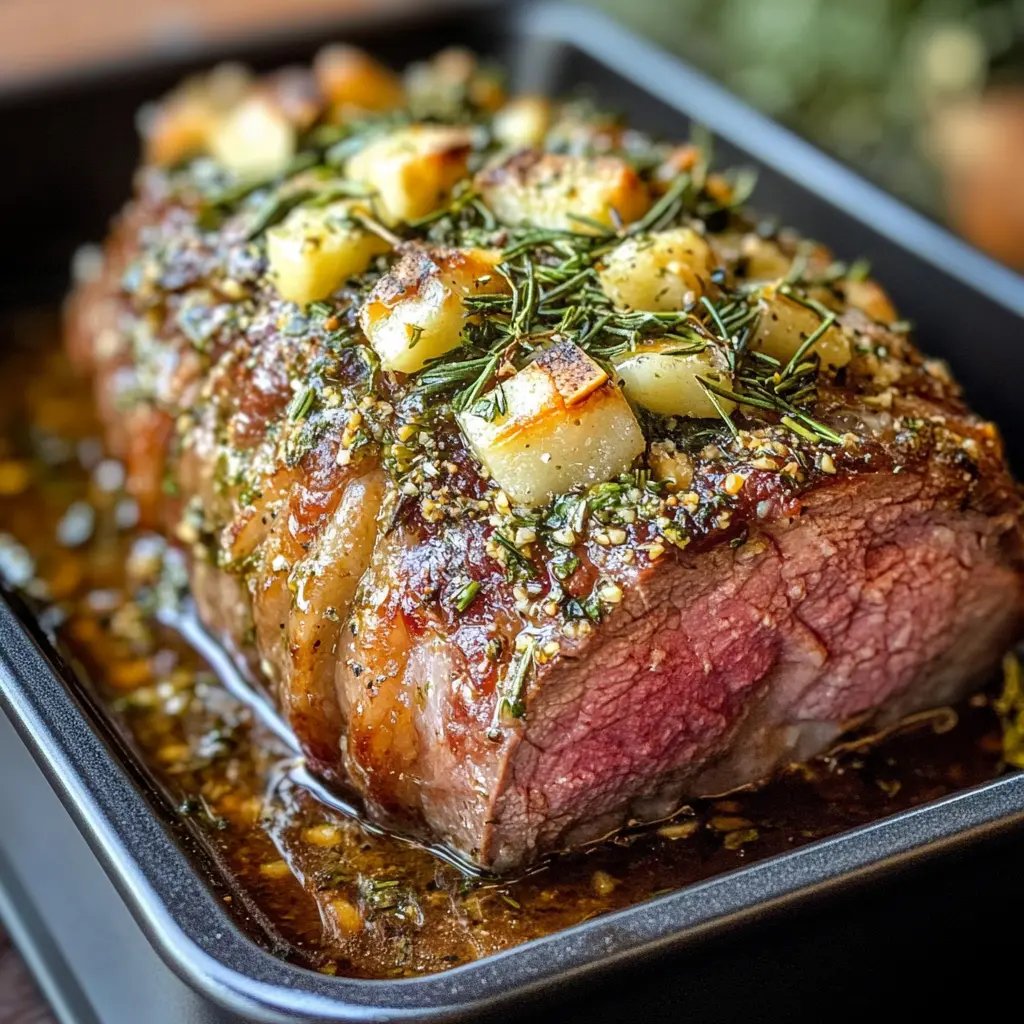
Garlic butter herb roast leg of lamb represents one of the most elegant and delicious ways to prepare this premium cut of meat. This showstopping centerpiece combines tender, juicy lamb with aromatic garlic, rich butter, and fresh Mediterranean herbs. Whether you’re planning a special dinner or hosting a holiday gathering, this classic preparation delivers impressive results every time.
The target keyword garlic butter herb roast leg of lamb appears naturally throughout this guide to help you master this timeless technique. We’ll explore everything from ingredient selection to plating, ensuring your next roasted lamb dish becomes a family favorite. This comprehensive guide will transform you from novice to confident cook.
What Is Garlic Butter Herb Roast Leg of Lamb?
Garlic butter herb roast leg of lamb is a classic preparation where a whole leg of lamb gets coated with a flavorful mixture of softened butter, minced garlic, and fresh herbs. The butter base keeps the meat moist during roasting while the herbs infuse deep, aromatic flavors throughout. This traditional method creates a golden, herb-crusted exterior while maintaining a tender, pink center.
The beauty of this dish lies in its simplicity and effectiveness. Fresh rosemary, thyme, and parsley combine with pungent garlic to create a flavor profile that complements lamb’s natural richness. Additionally, the butter base bastes the meat as it roasts, creating incredibly juicy results. Most importantly, this preparation works beautifully for both bone-in and boneless legs of lamb.
Why Choose This Classic Dish?
Impressive Presentation
A garlic butter herb roast leg of lamb makes an stunning centerpiece for any table. The golden-brown exterior and herb crust catch the eye immediately. Furthermore, slicing the lamb at the table impresses guests and creates a memorable dining experience. This dish elevates ordinary dinner into something special and memorable.
Incredible Flavor Development
The combination of garlic, butter, and fresh herbs creates complex, layered flavors that develop during roasting. Garlic mellows and sweetens slightly when roasted slowly. Herbs release their essential oils, infusing the meat thoroughly. Most importantly, the butter carries and amplifies these flavors throughout every bite.
Versatile for Any Occasion
This preparation suits formal dinner parties, holiday celebrations, and intimate family gatherings equally well. You can easily adjust herb combinations to match your preferences. Additionally, the cooking method remains consistent whether serving four people or twenty. Consequently, this dish adapts beautifully to different entertaining scenarios.
Surprisingly Achievable
Many home cooks believe roasting lamb intimidates them. However, garlic butter herb roast leg of lamb actually becomes quite straightforward once you understand the basic principles. This guide eliminates guesswork and provides clear temperature guidelines. Additionally, the technique involves minimal complexity compared to its impressive results.
Essential Ingredients for Perfect Results
The Lamb
Start with a high-quality leg of lamb weighing between four and six pounds. Bone-in legs cook beautifully and provide superior flavor. Alternatively, boneless legs roast more evenly throughout. Pat the lamb completely dry before marinating. This prevents the marinade from sliding off as the meat begins cooking.
The Butter Base
Use unsalted butter at room temperature for the best results. Cold butter won’t blend properly with garlic and herbs. Unsalted butter provides better flavor control than salted versions. Typically, four tablespoons of butter creates enough coating for most legs of lamb.
Garlic Selection
Fresh garlic cloves produce superior results compared to garlic powder or jarred garlic. Plan on six to eight cloves, minced very finely. Fresh minced garlic releases maximum flavor and aroma. Additionally, finely mincing ensures even distribution throughout the butter mixture.
Primary Herbs
Rosemary offers piney, slightly peppery notes that complement lamb beautifully. Thyme provides delicate, earthy undertones that enhance meat’s natural flavors. Parsley adds freshness and balances richer herb flavors. These three herbs form the traditional base for this classic preparation.
Additional Aromatics
Fresh lemon zest brightens the herb mixture with citrus notes. Lemon juice adds acidity that balances richness. Salt and pepper round out the flavor profile. Together, these elements create a balanced, sophisticated marinade.
Optional Flavor Boosters
Oregano brings Mediterranean character to the dish. Mint adds cooling, fresh notes that some cooks prefer. Sage contributes earthy, slightly peppery complexity. Choose one or two optional herbs based on your taste preferences.
Preparation: Setting Up for Success
Choosing Your Lamb Cut
Select lamb that displays bright pink or light red color. Avoid anything appearing gray or discolored. The meat should smell fresh and pleasant. For bone-in legs, the bone should appear clean and white. Butchers can trim excess surface fat if requested. Plan ahead and order quality lamb several days before cooking.
Thawing Frozen Lamb
If using frozen lamb, thaw it completely in the refrigerator for at least 24 hours. Never rush thawing by using warm or room-temperature water. Cold thawing preserves meat texture and quality. Additionally, completely thawed lamb cooks more evenly throughout.
Pat Drying the Meat
Remove the lamb from the refrigerator one hour before marinating. Pat the surface completely dry using paper towels. Moisture prevents the marinade from adhering properly to the meat. Furthermore, dry surfaces develop better browning during roasting. Spend time on this seemingly simple step.
Trimming Excess Fat
While some fat contributes flavor and moisture, excessive exterior fat burns during roasting. Trim thick layers of surface fat down to approximately one-quarter inch thickness. Leave some fat intact for flavor and browning. Ask your butcher to trim the lamb if you prefer. A sharp knife makes trimming much easier.
Creating the Perfect Garlic Butter Herb Marinade
Preparing Your Herb Mixture
Combine four tablespoons of softened butter with six minced garlic cloves in a small bowl. Add two tablespoons each of fresh rosemary, thyme, and parsley leaves. Fresh herbs produce superior flavor compared to dried versions. Chop herbs very finely to distribute evenly throughout the butter. Mix thoroughly until well blended.
Adding Brightness
Zest one lemon and add approximately one teaspoon of zest to the mixture. Squeeze fresh lemon juice and add one tablespoon to the herb mixture. This acidity brightens the overall flavor profile beautifully. Additionally, lemon cuts through the richness of butter and lamb effectively.
Seasoning Correctly
Add one teaspoon of salt and one-half teaspoon of freshly ground black pepper. These proportions can be adjusted based on personal preference. Taste a small amount on your finger to check the balance. Remember that salt intensifies during cooking, so avoid over-seasoning initially.
Optional Flavor Additions
Consider adding one-quarter teaspoon of red pepper flakes for subtle heat. Alternatively, add one tablespoon of minced fresh mint for Mediterranean character. Some cooks prefer one-quarter teaspoon of dried oregano for additional complexity. Experiment with optional additions based on your specific tastes.
Storage and Timing
Prepare the marinade while the lamb comes to room temperature. Use the marinade immediately after preparation. Alternatively, prepare it up to four hours ahead and refrigerate. Let the refrigerated marinade sit at room temperature for thirty minutes before using. This brings it to the optimal spreadable consistency.
Roasting Techniques and Temperature Guidelines
Preheating Your Oven
Position oven racks so lamb fits comfortably without touching the top. Preheat the oven to 425°F (220°C) for achieving a golden crust. Allow thirty to forty-five minutes for complete preheating. An oven thermometer ensures accurate temperature for consistent results.
Applying the Garlic Butter Herb Mixture
Using your hands or a rubber spatula, apply the herb mixture generously to all lamb surfaces. Work the mixture into any crevices or indentations. Pay special attention to the underside of the leg. The goal involves complete coverage for even flavor distribution. Don’t worry about achieving perfect appearance; coverage matters most.
Setting Up the Roasting Pan
Place a wire rack in your roasting pan, creating space beneath the lamb. Position the lamb on the rack, fat-side up. Pour one-quarter to one-half cup of water into the pan bottom. This creates steam that keeps the lamb moist and helps drippings collect for gravy. The rack prevents direct contact between lamb and pan bottom.
Initial High-Heat Roasting
Place the lamb in the preheated 425°F oven and roast for fifteen to twenty minutes. This initial phase develops color on the herb crust and starts the browning process. Don’t open the oven door excessively during this phase. This compromises temperature consistency and extends cooking time unnecessarily.
Reducing Temperature
After the initial high-heat phase, reduce the oven temperature to 350°F (180°C). This lower temperature prevents overcooking while allowing the interior to reach desired doneness. Close the oven door gently and maintain this temperature throughout remaining cooking. This two-step approach produces perfectly cooked results.
Low-Temperature Roasting
Continue roasting at 350°F until the internal temperature reaches your target level. This phase typically requires one to two hours depending on lamb size. Generally, plan for approximately twenty minutes of cooking time per pound. Insert a meat thermometer into the thickest part of the meat without touching bone.
Monitoring Temperature Carefully
Use an oven-safe thermometer inserted into the thickest part of the meat. Position it without touching bone, which conducts heat and provides inaccurate readings. Check temperature starting around the ninety-minute mark. Remove the lamb when it reaches your preferred doneness level.
Cooking Times and Doneness Levels
Understanding Lamb Doneness
Lamb doneness preferences vary more than beef or pork, making internal temperature crucial for achieving desired results. Additionally, individual thermometers provide the only reliable way to achieve consistent results. Never rely solely on visual appearance or cooking time estimates alone.
Medium-Rare Doneness
Remove the lamb when the internal temperature reaches 130°F (54°C). After resting, carryover cooking raises the temperature to 135-140°F, producing a rosy pink center. This remains the most popular preparation for garlic butter herb roast leg of lamb among most diners. Medium-rare offers excellent tenderness while maintaining juicy, flavorful results.
Medium Doneness
Target an internal temperature of 140°F (60°C) for medium doneness results. After resting, this rises to approximately 145°F, producing a light pink center. This doneness level appeals to those preferring less pink than medium-rare. Medium lamb remains moist and flavorful when prepared carefully.
Medium-Well Doneness
Remove the lamb at 150°F (65°C) for medium-well results. After resting, this reaches approximately 155°F, producing minimal pink color. This option suits those preferring more well-cooked meat. However, avoid temperatures above 160°F, as the meat becomes dry and tough.
General Timing Guidelines
For a four-pound leg of lamb, plan on approximately one and one-half to two hours total cooking time. A five-pound leg typically requires two to two and one-half hours. A six-pound leg may need two and one-half to three hours. These estimates account for both the high-heat and low-temperature phases.
Factors Affecting Cooking Time
Bone-in legs require slightly longer cooking times than boneless versions. Shape variations affect heat penetration; irregular shapes cook more quickly than uniform rounds. Oven variations mean some ovens run hot while others run cool. Begin temperature checks at the minimum estimated time rather than waiting for the maximum.
Resting Your Lamb: A Critical Step
Why Resting Matters
Resting allows the meat fibers to relax after the stress of cooking. This prevents juices from running out onto the cutting board. Additionally, resting allows carryover cooking to complete the cooking process gently. Proper resting makes the difference between juicy, tender lamb and dry, tough results.
The Resting Process
Remove the lamb from the oven when it reaches the target temperature. Tent loosely with aluminum foil without covering completely. This protects the meat while maintaining some heat. Place the lamb on a cutting board or warming platter away from drafts.
Resting Duration
Allow the lamb to rest for a minimum of ten to fifteen minutes before carving. Larger legs benefit from resting up to twenty minutes. This duration allows carryover cooking to complete and fibers to relax. Additionally, longer resting times produce superior texture and juiciness.
Temperature During Rest
During resting, the internal temperature rises approximately three to five degrees. This “carryover cooking” completes the cooking process gently without additional heat. This explains why removing lamb at 130°F and resting produces 135-140°F final temperature. Understanding this concept prevents overcooking.
Making Delicious Pan Gravy
Collecting the Pan Drippings
After removing the lamb, carefully pour off the excess fat from the roasting pan. Reserve approximately two tablespoons of fat for making gravy. Strain the remaining liquid through a fine-mesh sieve, collecting the flavorful drippings. These drippings form the foundation of exceptional gravy.
Creating a Gravy Base
Place the roasting pan over medium heat on the stovetop. Add one tablespoon of all-purpose flour to the reserved fat, stirring constantly. Cook for one to two minutes while stirring, allowing the flour to cook slightly. This creates a roux that thickens the gravy effectively.
Deglazing the Pan
Gradually pour in one-half to one cup of beef or chicken broth, stirring constantly. Use a wooden or silicone spatula to scrape flavorful browned bits from the pan bottom. These caramelized bits contribute significant flavor to the gravy. Avoid scraping the darkest burned portions.
Finishing the Gravy
Continue cooking and stirring until the gravy reaches your preferred thickness. Typically, this requires three to five minutes. Taste and adjust seasonings as needed. Strain through a fine-mesh sieve to remove herb particles if desired. Serve the gravy alongside carved lamb.
Storage and Reheating
Leftover gravy stores well in the refrigerator for up to three days. Reheat gently over low heat before serving. The gravy may thicken further as it cools; thin with additional broth if necessary. Alternatively, freeze gravy for up to three months in freezer-safe containers.
Serving Suggestions and Pairings
Carving and Presentation
Let the rested lamb cool for five minutes before carving. Use a sharp carving knife and steady fork to control the meat. Carve thin, attractive slices across the grain. Arrange slices on a warm serving platter, maintaining visual appeal.
Vegetable Sides
Roasted potatoes tossed with garlic and herbs complement garlic butter herb roast leg of lambbeautifully. Roasted root vegetables including carrots, parsnips, and turnips work wonderfully. Steamed or roasted green beans provide lighter vegetable balance. Spring peas add fresh, sweet flavors that brighten the plate.
Grain Accompaniments
Fluffy white or brown rice soaks up the delicious pan gravy effectively. Couscous offers Mediterranean character that complements the herb flavors. Creamy mashed potatoes provide comfort alongside the elegant lamb. Farro adds hearty texture and nutty complexity.
Sauce Options
Mint sauce offers a traditional bright, cool counterpoint to rich lamb flavors. Red currant jelly adds sweet-tart notes that balance savory elements. Fresh herb salsa brings vibrant color and freshness to the plate. Chimichurri sauce adds herbal intensity with slight acidity.
Expert Tips for Best Results
Selecting Quality Lamb
Purchase lamb from reputable butchers or specialty meat markets. Fresh lamb provides superior flavor compared to previously frozen meat. Ask the butcher about the lamb’s origin and age. Younger lamb typically offers more tender, delicate flavors.
Building Flavor Through Marinating
While the marinade can be applied immediately before roasting, allowing extra time builds deeper flavor. Apply the herb mixture up to twelve hours ahead if desired. Cover and refrigerate the prepared lamb until one hour before cooking. Bring to room temperature before roasting for even cooking.
Using an Instant-Read Thermometer
Invest in a quality instant-read meat thermometer for reliable doneness assessment. Position the probe horizontally into the thickest part of meat. Avoid touching bone or the pan, which conduct heat incorrectly. Check multiple locations to ensure even cooking throughout.
Preventing Overcooking
Remember that carryover cooking continues after removing the lamb from the oven. Remove the lamb at five degrees below your target temperature. For example, remove at 130°F for 135°F finished temperature. This prevents the meat from cooking beyond your intended doneness.
Making Ahead Strategically
Prepare the herb marinade up to two days ahead in the refrigerator. Apply the mixture to the lamb up to twenty-four hours before roasting. Let the prepared lamb come to room temperature before putting it in the oven. This advance preparation simplifies day-of cooking logistics.
Scaling for Larger Groups
Double or triple the herb mixture for multiple legs of lamb if roasting together. Arrange multiple legs on separate racks if your oven accommodates them. Allow slightly extra roasting time if the oven is completely full. Use multiple oven thermometers to monitor temperature consistency.
Creating Restaurant-Quality Results
Allow the lamb to rest undisturbed on a warm platter for maximum juiciness. Serve on warmed plates to maintain optimal eating temperature longer. Present the carved lamb on a bed of fresh herbs for visual appeal. Drizzle with pan gravy just before serving.
Frequently Asked Questions
Can I Prepare Garlic Butter Herb Roast Leg of Lamb the Day Before?
Yes, you can apply the herb mixture up to twenty-four hours before cooking. Cover the lamb loosely with plastic wrap and refrigerate. Remove from the refrigerator one hour before roasting to achieve proper room temperature. Allow the lamb to come fully to room temperature; this ensures even cooking throughout the meat.
What Is the Best Herb Combination for Garlic Butter Herb Roast Leg of Lamb?
The classic combination includes fresh rosemary, thyme, and parsley. This traditional trio provides balanced earthy and fresh flavors. However, you can customize based on preferences. Many cooks successfully add oregano, sage, or mint to their versions.
Should I Cover the Lamb While Roasting?
Generally, uncovered roasting produces the best results for garlic butter herb roast leg of lamb. The uncovered surface develops nice browning and herb crust. If the exterior darkens excessively before reaching target temperature, loosely tent with foil. Remove the foil for the final thirty minutes to re-crisp the exterior.
How Do I Know If My Lamb Is Cooked?
The most reliable method involves using an instant-read meat thermometer. Insert the probe into the thickest part without touching bone. Medium-rare lamb reads 130°F, medium reads 140°F, and medium-well reads 150°F. These temperatures will rise five to ten degrees during resting.
Can I Freeze Cooked Garlic Butter Herb Roast Leg of Lamb?
Leftover lamb stores well in the freezer for up to three months. Slice the cooked lamb and place in freezer-safe containers. Separate layers with parchment paper to prevent sticking. Thaw in the refrigerator before reheating gently in a low oven.
What Cuts of Lamb Work Besides Leg of Lamb?
While leg of lamb is traditional, other cuts work well with this preparation. Lamb shoulder roasts beautifully with the same herb coating. Lamb shanks braise well with garlic butter herb flavoring. Lamb racks and loins also respond well to this classic treatment.
How Do I Prevent Lamb from Becoming Dry?
Several strategies prevent dry results. First, don’t overcook the meat; remove at the target temperature. Second, ensure complete resting before carving. Third, the butter base keeps the meat moist during cooking. Finally, serve with pan gravy to add extra moisture.
Can I Use Dried Herbs Instead of Fresh Herbs?
Fresh herbs provide superior flavor and are highly recommended. However, you can substitute dried herbs if necessary. Use one-third the amount of dried herbs compared to fresh. For example, use one tablespoon dried herbs instead of three tablespoons fresh herbs. The flavor profile changes noticeably with dried herbs, typically becoming earthier.
What Should I Do With Leftover Garlic Butter Herb Roast Lamb?
Slice leftover lamb and store in an airtight container for up to three days. Reheat gently in a low oven with a covered plate. Use leftover lamb in sandwiches, salads, or grain bowls. Shred cooled lamb to incorporate into other dishes like shepherd’s pie or lamb tagine.
How Far in Advance Can I Prepare Ingredients?
Prepare the herb mixture up to two days ahead and refrigerate. Pat dry and trim the lamb up to twenty-four hours before cooking. Combine all ingredients in the roasting pan up to one hour before cooking. Keep everything cold until approximately one hour before roasting.
Conclusion
Mastering garlic butter herb roast leg of lamb transforms your home cooking and impresses family and guests alike. This elegant preparation combines straightforward technique with impressive results that seem far more complex than reality. The combination of garlic, butter, and fresh herbs creates an unforgettable flavor profile that elevates the natural richness of quality lamb.
By following the temperature guidelines, timing recommendations, and expert tips provided in this comprehensive guide, you’ll achieve restaurant-quality results consistently. Remember that the most important elements involve proper temperature monitoring, adequate resting time, and using fresh, quality ingredients. These fundamentals matter far more than perfecting your presentation or plating technique.
Whether preparing for a holiday gathering, special celebration, or intimate dinner party, garlic butter herb roast leg of lamb delivers memorable results. The preparation becomes easier with practice, and soon you’ll develop the confidence to adjust herbs and cooking times based on your specific preferences.
Print