Truffle Parmesan Brussels & Bacon Hash: A Gourmet Side Dish Guide
Truffle Parmesan Brussels & Bacon Hash: The Ultimate Gourmet Side Dish
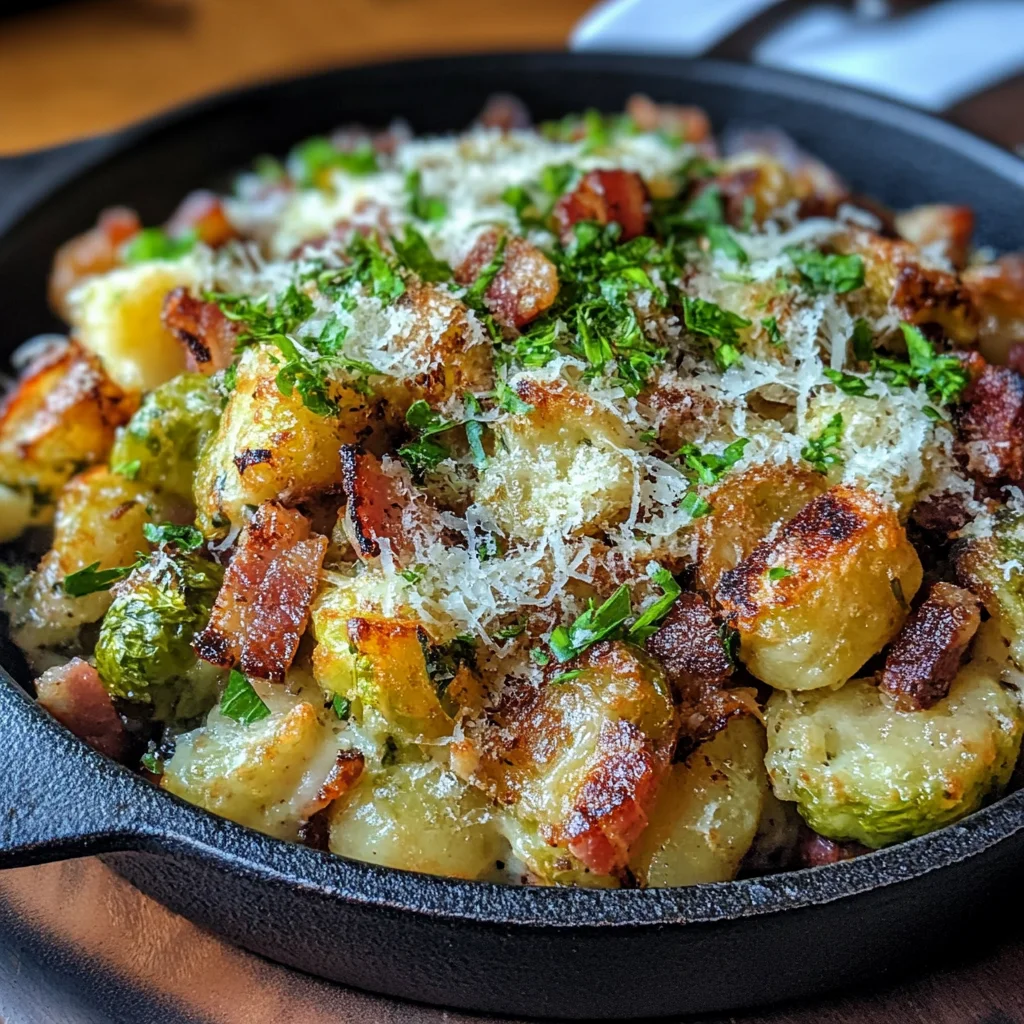
Truffle Parmesan Brussels & Bacon Hash combines luxury ingredients with comfort food simplicity. This sophisticated side dish transforms humble Brussels sprouts into a restaurant-quality creation. The Truffle Parmesan Brussels & Bacon Hash elevates any weeknight dinner or holiday gathering instantly.
This gourmet hash merges crispy roasted Brussels sprouts with smoky bacon and aromatic truffle oil. The addition of freshly grated Parmesan cheese creates a savory, umami-rich experience. It’s the perfect dish when you want impressive results without excessive complexity.
Whether you’re hosting dinner guests or preparing a special family meal, this recipe delivers consistently. The combination of textures and flavors makes it memorable. Best of all, preparation requires minimal effort for maximum impact.
What Is Truffle Parmesan Brussels & Bacon Hash?
Understanding the Components
Truffle Parmesan Brussels & Bacon Hash is a roasted vegetable dish featuring four main components. The foundation starts with Brussels sprouts, which are halved and roasted until caramelized. Crispy bacon adds smoky depth and textural contrast throughout the dish.
Truffle oil provides an earthy, sophisticated flavor profile that elevates ordinary roasted vegetables. The finish uses freshly grated Parmesan cheese for a salty, complex bite. Together, these ingredients create something greater than their individual parts.
This is not a traditional breakfast hash, despite the name. Rather, it functions as an elegant side dish suitable for dinner service. The flavors and presentation justify serving alongside roasted meats or fish.
The Origins and Appeal
Roasted Brussels sprouts gained popularity in modern cuisine over the past fifteen years. Chefs discovered that high-heat cooking brings out natural sweetness in the vegetable. The addition of truffle oil represents the contemporary trend toward luxury ingredients in home cooking.
The Parmesan Brussels & Bacon Hash concept combines tested flavor pairings. Bacon and Brussels sprouts have long been culinary partners in traditional cooking. Truffle oil adds an unexpected luxury element that transforms the dish into something special.
This recipe appeals to home cooks seeking elegant results without professional training. The ingredients are accessible at standard grocery stores. Preparation time remains minimal despite the sophisticated final presentation.
Why You’ll Love This Recipe
Superior Flavor Combinations
The Truffle Parmesan Brussels & Bacon Hash brings together complementary flavors that enhance each other. Umami-rich truffles pair perfectly with salty Parmesan cheese. The smoky bacon rounds out the flavor profile with depth and interest.
Brussels sprouts provide a slightly sweet, nutty base that balances richer ingredients. This vegetable’s natural earthiness complements truffle oil beautifully. The result is a well-rounded dish with multiple flavor dimensions.
Each bite delivers complexity that satisfies sophisticated palates. The textures vary from crispy to tender, adding sensory appeal. This multi-sensory experience explains why guests repeatedly request this dish.
Versatility and Elegance
This side dish works equally well for casual weeknight dinners or formal entertaining. Preparation requires approximately forty minutes from start to finish. The recipe easily scales up or down depending on guest count.
Truffle Parmesan Brussels & Bacon Hash complements numerous main courses perfectly. Serve alongside roasted chicken, grilled fish, or beef tenderloin. The flavors enhance but don’t overwhelm other dishes on the plate.
Home cooks appreciate how this recipe demonstrates advanced technique without requiring culinary school. The results look impressive despite straightforward preparation. Guests consistently assume more effort went into preparation than actually required.
Health Consciousness Meets Indulgence
This recipe balances nutritional value with indulgent flavors beautifully. Brussels sprouts provide substantial fiber, vitamins, and antioxidants. These cruciferous vegetables support digestive health and immune function effectively.
The truffle oil adds beneficial antioxidants and compounds that research suggests support overall wellness. Bacon provides flavor without requiring excessive quantities. The modest cheese topping adds calcium and protein without overwhelming fat content.
Together, these ingredients create a nutritious side dish that tastes luxurious. You can serve this dish proudly at health-conscious gatherings without compromising taste. It proves that nutritious food needn’t be boring or bland.
Health Benefits of Key Ingredients
Brussels Sprouts Nutritional Profile
Brussels sprouts rank among the most nutrient-dense vegetables available in grocery stores. One cup of raw Brussels sprouts contains only thirty-eight calories but delivers substantial nutrition. This vegetable provides exceptional value for health-conscious eaters.
The cruciferous vegetable stands out for exceptional vitamin K content, delivering 159 micrograms per raw cup. Vitamin K plays crucial roles in bone health and proper blood clotting. Additionally, Brussels sprouts provide seventy-six and a half milligrams of vitamin C per cup.
Vitamin C functions as a powerful antioxidant supporting immune system function. It also enhances iron absorption from plant-based sources. The fiber content in Brussels sprouts supports healthy digestion and regular bowel movements.
Research indicates that regular consumption of Brussels sprouts correlates with better blood sugar management. The fiber content slows digestion, preventing rapid blood sugar spikes. Studies suggest consistent consumption may reduce the risk of developing type 2 diabetes.
Bacon’s Contribution
Bacon provides more than just smoky flavor to this gourmet hash. It delivers selenium, an essential mineral supporting thyroid function and cellular health. Bacon also contains choline, important for brain health and memory function.
The crispy texture bacon provides creates textural contrast enhancing the overall eating experience. Just small amounts add substantial flavor, so large quantities aren’t necessary. Using quality, thick-cut bacon improves both taste and texture considerably.
Truffle Oil Benefits
Truffle oil, particularly when made from quality oils, provides antioxidants supporting cellular health. The oil contains compounds that research suggests may help manage inflammation in the body. These natural compounds work synergistically with Brussels sprouts’ antioxidants.
Black truffle oil offers minimal calories while maximizing flavor impact. Unlike many flavorful additions, truffle oil contains no cholesterol or trans fats. The oil’s richness means a small amount delivers maximum culinary benefit.
Parmesan Cheese Advantages
Parmesan cheese provides bioavailable calcium important for bone health and maintenance. The cheese also contains vitamin A, supporting eye health and immune function. Additionally, Parmesan contributes vitamin B12, crucial for energy production and neurological health.
The aging process in Parmesan production creates probiotic compounds beneficial for digestive health. These compounds support healthy gut microbiota and digestion. Small quantities of aged Parmesan provide substantial nutritional benefit without excessive sodium or fat.
Complete Recipe with Detailed Instructions
Ingredients List
For the Base:
-
Two pounds fresh Brussels sprouts, trimmed and halved
-
Six strips thick-cut bacon, chopped
-
Five tablespoons extra-virgin olive oil
-
One-half teaspoon kosher salt
-
One-quarter teaspoon black pepper
-
One-quarter teaspoon garlic powder
For Finishing:
-
Three tablespoons premium black truffle oil
-
One-half cup freshly grated Parmigiano-Reggiano cheese
-
One-quarter teaspoon freshly ground black pepper (for garnish)
-
Two tablespoons fresh thyme leaves (optional)
-
One tablespoon fresh lemon zest (optional)
Equipment Needed
This recipe requires minimal equipment for successful execution. A rimmed baking sheet allows even roasting throughout preparation. A sharp knife helps achieve uniform Brussels sprout sizing for consistent cooking.
A non-stick skillet or cast-iron pan works well for crisping bacon before adding to the oven. A microplane grater produces finely grated Parmesan that distributes evenly. Measuring spoons ensure proper seasoning proportions throughout cooking.
A kitchen thermometer (optional) helps verify optimal internal temperatures. However, careful visual inspection suffices for most home cooks. Paper towels absorb excess bacon grease during cooking.
Preparation Steps
Begin by preheating your oven to four hundred degrees Fahrenheit. While the oven heats, prepare all ingredients before cooking begins. This mise en place approach prevents scrambling during active cooking.
Trim the Brussels sprouts by removing outer yellowed or damaged leaves. Rinse them thoroughly under cool running water, then pat completely dry. Moisture prevents proper caramelization, so complete drying is essential for success.
Using a sharp knife, cut each sprout in half lengthwise. Aim for uniformity so all pieces cook at similar rates. Smaller pieces will roast faster, potentially burning before larger pieces cook through.
Cut bacon into half-inch pieces for even cooking and distribution. Patting bacon with paper towels removes excess moisture. This step improves crisping and prevents steaming during cooking.
Step-by-Step Cooking Guide
Roasting the Brussels Sprouts and Bacon
In a large bowl, combine halved Brussels sprouts with bacon pieces. Drizzle with extra-virgin olive oil, then sprinkle kosher salt, black pepper, and garlic powder. Toss everything together thoroughly until evenly coated.
Spread the mixture onto a rimmed baking sheet in a single layer. Avoid overcrowding, which causes steaming instead of caramelization. If necessary, use two baking sheets for even browning throughout.
Place the baking sheet in your preheated four-hundred-degree oven. Roast for approximately twenty-five to thirty minutes. Halfway through cooking, shake the baking sheet or stir the vegetables for even browning.
The sprouts are done when the cut sides develop deep golden-brown caramelization. The outer leaves should appear crispy and slightly charred. This charring adds complex, nutty flavor complexity to the finished dish.
Adding the Truffle Oil and Cheese
Remove the baking sheet from the oven and let cool for two minutes. This brief cooling prevents the truffle oil’s aromatic compounds from dissipating immediately. It also allows safe handling of the hot pan.
Drizzle the premium black truffle oil over the hot roasted vegetables. Use just enough to coat everything lightly—approximately three tablespoons. Excess truffle oil creates greasiness rather than enhanced flavor.
Immediately sprinkle freshly grated Parmigiano-Reggiano cheese over the warm vegetables. The residual heat slightly softens the cheese while maintaining its structural integrity. Toss everything together gently but thoroughly.
Final Touches and Plating
Taste the Truffle Parmesan Brussels & Bacon Hash and adjust seasoning as needed. Some palates prefer additional salt or cracked black pepper. Fresh thyme leaves add herbal notes if desired.
Lemon zest provides a bright, fresh counterpoint to rich flavors without adding moisture. This optional finish elevates the dish’s complexity. Transfer to a serving platter or individual plates while still warm.
The visual appeal improves dramatically with careful plating. Arrange pieces attractively rather than dumping randomly. A final drizzle of truffle oil and light cheese shower creates professional appearance.
Tips for Perfect Results
Ensuring Crispy Brussels Sprouts
The most common mistake involves overcrowding the baking sheet during roasting. Vegetables need direct contact with the hot surface for proper caramelization. Pack them too tightly and steaming occurs instead.
Completely drying the vegetables after washing is equally important. Moisture prevents browning and creates soggy results. Paper towels or clean kitchen cloths work well for this essential step.
Don’t stir the vegetables too frequently during roasting. Frequent movement prevents the cut surfaces from making proper contact with the hot pan. Shake the baking sheet once or twice, but allow the vegetables to rest otherwise.
Selecting Quality Ingredients
Premium truffle oil makes a substantial difference in the final dish. Genuine truffle oil contains actual truffle essence rather than synthetic flavoring. The investment in quality ingredients pays dividends in flavor complexity.
Thick-cut bacon provides better texture than thin-cut varieties. The increased meat-to-fat ratio creates satisfying crispness. Supporting local pork producers often results in superior flavor and quality.
Fresh Parmigiano-Reggiano cheese, properly aged, outperforms pre-grated versions significantly. The blocks grate beautifully on a microplane, creating texture that pre-grated versions cannot match. The additional effort pays off in noticeably improved results.
Fresh Brussels sprouts should feel firm without soft spots or yellowing. Smaller sprouts under two inches diameter typically roast more evenly. Uniform sizing ensures consistent cooking throughout the batch.
Adjusting for Preferences
Those preferring lighter preparations should reduce the truffle oil quantity slightly. Start with two tablespoons and increase to personal preference. The dish remains delicious with less richness.
People watching sodium intake can reduce the salt and use less cheese. Fresh thyme and lemon zest add flavor without adding sodium. Experiment with quantities until reaching personal preference.
For those seeking additional vegetables, toss in thinly sliced shallots or mushrooms before roasting. These additions blend naturally with the Brussels sprouts without disrupting the dish’s essence. Additional cooking time may be necessary.
Variations and Substitutions
Protein Additions
While excellent as a side dish, this recipe adapts beautifully to vegetarian preparations. Simply omit the bacon and add an additional tablespoon of truffle oil. Consider adding toasted walnuts or pecans for textural contrast.
For non-vegetarian variations, pancetta provides similar smoky depth if bacon is unavailable. Prosciutto crisps add elegance for formal occasions. Crispy chicken skin adds substantial textural interest to the dish.
Cheese Alternatives
Pecorino Romano offers a sharper, more intensely salty cheese substitute. Grana Padano provides similar characteristics to Parmigiano-Reggiano at slightly lower cost. Asiago cheese adds interesting complexity without changing the dish fundamentally.
For those avoiding dairy, nutritional yeast provides umami depth and a cheese-like flavor. The results differ slightly but remain delicious and satisfying. Toasted breadcrumbs mixed with herbs create satisfying textural alternatives.
Flavor Modifications
Balsamic vinegar adds acidic brightness to heavy, rich flavors. A light drizzle near the end of cooking prevents the vinegar from evaporating completely. This modification brightens the overall flavor profile substantially.
Fresh rosemary needles provide Mediterranean appeal if thyme isn’t available. Crispy sage leaves offer interesting complexity. Grated Asiago or smoked paprika add depth and intrigue.
Roasted garlic cloves tossed with the vegetables add umami intensity. Red pepper flakes introduce subtle heat without overwhelming delicate truffle flavors. Experiment with additions until developing personal preferences.
Serving Suggestions
Pairing with Main Courses
The Truffle Parmesan Brussels & Bacon Hash pairs exceptionally well with roasted chicken preparations. Classic herb-roasted chicken allows the vegetables’ sophisticated flavors to shine. The dish doesn’t compete with the main course but rather complements it.
Grilled fish benefits tremendously from this elegant side dish. The earthiness of truffles highlights delicate fish flavors rather than overwhelming them. Try serving alongside seared salmon or grilled halibut.
Prime rib or beef tenderloin represent classic pairings for truffle-based preparations. The richness of these cuts balances the vegetables’ intensity perfectly. The combination creates a memorable dining experience.
Creating Complete Menus
This side dish elevates casual dinners into special occasions effortlessly. Serve alongside roasted mushrooms and fresh salad for a sophisticated vegetable-focused menu. Add crusty bread for a complete meal.
Holiday entertaining benefits from this recipe’s elegant presentation. Truffle Parmesan Brussels & Bacon Hash works beautifully alongside traditional holiday mains. The sophisticated appearance impresses guests without requiring excessive preparation.
Summer grilling menus improve substantially with this side dish. Serve alongside grilled steaks or lamb chops for upscale outdoor entertaining. The flavors complement char-grilled preparations beautifully.
Portion Planning
Plan approximately one-half to three-quarters pound of Brussels sprouts per person as a side dish. This quantity provides satisfying portions without overwhelming plates. The richness of truffle oil and cheese means smaller servings feel generous.
For vegetable-focused meals, increase portions to one pound per person. Add additional vegetables or grains to round out the menu. The Truffle Parmesan Brussels & Bacon Hashprovides substance but benefits from supporting dishes.
Storage and Reheating
Refrigeration Guidelines
Store leftover Truffle Parmesan Brussels & Bacon Hash in airtight containers within two hours of preparation. Properly stored leftovers remain fresh for three to four days. Refrigeration preserves food safety and quality effectively.
Cool the dish to room temperature before refrigerating to prevent condensation. Moisture creates sogginess, so ensure containers seal tightly. Label containers with preparation dates for reference.
Reheating Strategies
Reheating requires a low-temperature approach to prevent mushiness. Spread leftovers on a baking sheet and warm at three hundred and twenty-five degrees for eight to ten minutes. This gentle method restores crispiness without cooking the vegetables further.
Alternatively, use a non-stick skillet over medium-low heat, stirring occasionally. This method typically requires five to eight minutes for thorough warming. Both approaches work effectively for refreshing leftover preparations.
Adding fresh truffle oil after reheating brightens the flavor considerably. A light cheese shower restores visual appeal. These finishing touches make reheated portions taste nearly as good as fresh preparations.
Freezing Considerations
Freezing this dish isn’t ideal due to texture changes in the Brussels sprouts. However, properly frozen preparations remain edible for up to one month. Freeze in shallow airtight containers to prevent excessive ice crystal formation.
Thaw overnight in the refrigerator before reheating. Reheating frozen portions requires slightly longer cooking time than refrigerated leftovers. The texture won’t perfectly replicate fresh preparations but remains acceptable.
Frequently Asked Questions
Can I Prepare This Dish in Advance?
Yes, you can prepare ingredients several hours before cooking. Wash, dry, and halve Brussels sprouts earlier in the day. Chop bacon and measure all seasoning ingredients into bowls ahead of time.
Final roasting should occur within an hour of serving for optimal texture and temperature. The truffle oil and cheese should be added immediately after roasting. This timing ensures the best flavor and presentation possible.
What’s the Difference Between Truffle Oil and Real Truffles?
Truffle oil is made by infusing high-quality oil with truffle flavoring or essence. Real truffles are the prized fungi themselves, extremely expensive and difficult to source. Truffle oil provides sophisticated flavor at a fraction of the cost.
Quality truffle oil contains genuine truffle essence rather than synthetic flavoring. Reading ingredient lists helps identify authentic products. Premium options cost more but deliver noticeably superior results.
Can I Use Frozen Brussels Sprouts?
Frozen Brussels sprouts produce inferior results compared to fresh vegetables. Freezing damages cell structures, resulting in mushier textures when roasted. If using frozen sprouts, thaw them completely and pat dry thoroughly.
Fresh Brussels sprouts are widely available year-round at reasonable prices. They roast beautifully and deserve top priority for this recipe. The quality difference justifies seeking fresh produce.
How Do I Know When The Truffle Parmesan Brussels & Bacon Hash Is Done Cooking?
The Brussels sprouts should display deep golden-brown caramelization on their cut surfaces. The outer leaves should appear crispy and slightly charred. The bacon should be fully cooked and crispy throughout.
An instant-read thermometer inserted into a sprout should read at least one hundred and ninety degrees Fahrenheit. However, visual inspection suffices for most home cooks. When in doubt, roast slightly longer—overcooked slightly is better than undercooked.
Is This Recipe Suitable for Meal Prep?
This dish is best consumed fresh for optimal texture and flavor. However, components can be prepared ahead for quick assembly. Pre-roast the vegetables and bacon earlier in the day, then finish with truffle oil and cheese closer to serving time.
Reheating can restore quality reasonably well using the methods described above. Plan to reheat just before serving for maximum satisfaction. The Truffle Parmesan Brussels & Bacon Hashsacrifices quality when sitting at room temperature for extended periods.
What If I Don’t Like Truffle Flavor?
This recipe adapts beautifully without truffle oil. Substitute additional extra-virgin olive oil infused with fresh herbs. Rosemary or sage-infused oil provides interesting flavors without the earthy mushroom notes.
Aged balsamic vinegar provides depth and complexity. Garlic-infused olive oil delivers satisfying richness. The dish remains delicious with alternative flavor foundations while losing the sophisticated truffle element.
Conclusion
The Truffle Parmesan Brussels & Bacon Hash transforms ordinary vegetables into restaurant-quality preparation. This sophisticated side dish combines luxury ingredients with straightforward technique. The result satisfies even the most discerning palates consistently.
Brussels sprouts provide substantial nutritional benefits while delivering impressive taste and texture. The combination of smoky bacon, aromatic truffle oil, and salty Parmesan creates complex flavor dimensions. Each ingredient contributes meaningfully to the final dish.
This recipe demonstrates that elegant entertaining doesn’t require extensive culinary training. Proper ingredient selection and careful timing produce professional results consistently. Home cooks appreciate how this preparation impresses guests without requiring hours in the kitchen.
Whether preparing for special occasions or elevated weeknight dinners, this recipe delivers every time. The versatility allows endless menu planning possibilities. From intimate gatherings to formal entertaining, the Truffle Parmesan Brussels & Bacon Hash remains the perfect choice.
Ready to create this impressive side dish? Gather your ingredients today and experience how simple preparation produces extraordinary results. Your guests will request this recipe repeatedly, making it worthy of regular rotation in your cooking repertoire.
Print