
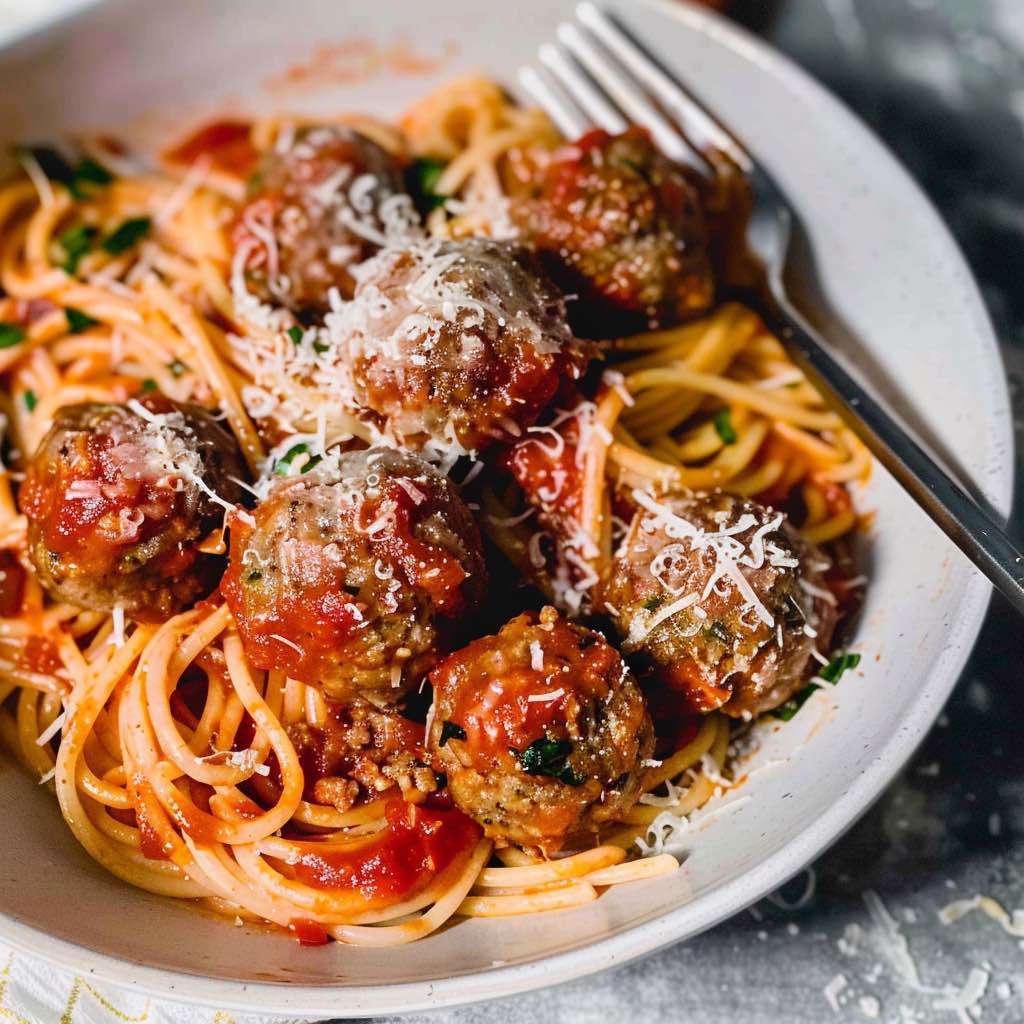
Homemade Spaghetti and Meatballs
Introduction
Homemade spaghetti and meatballs represents the ultimate comfort food that brings families together around the dinner table. This classic Italian-American dish combines tender, flavorful meatballs with perfectly cooked pasta and a rich tomato sauce. Moreover, making homemade spaghetti and meatballs from scratch allows you to control every ingredient while creating a meal that tastes better than any restaurant version.
Nothing beats the aroma of simmering tomato sauce and herbs filling your kitchen. Additionally, this beloved dish offers incredible versatility and can feed a crowd without breaking the bank. Whether you’re cooking for a weeknight family dinner or preparing a special meal for guests, homemade spaghetti and meatballs delivers every time.
In this comprehensive guide, you’ll learn everything needed to master this iconic recipe. From selecting the right meat blend to achieving perfectly tender meatballs, we’ll cover each step in detail. Furthermore, you’ll discover professional tips that transform good meatballs into extraordinary ones.
Why Homemade Spaghetti and Meatballs Wins Every Time
Superior Flavor Control
Making spaghetti and meatballs at home gives you complete control over flavors. You can adjust seasonings to match your preferences perfectly. Store-bought frozen meatballs often contain excessive sodium and preservatives. In contrast, homemade versions feature fresh herbs, quality meat, and natural ingredients.
The difference in taste is remarkable. Fresh garlic, basil, and oregano create depth that pre-made options simply cannot match. Additionally, you can customize the spice level to suit your family’s tastes.
Healthier Ingredient Choices
Homemade spaghetti and meatballs allows you to choose lean ground beef or turkey. You can also incorporate vegetables into the meatballs for added nutrition. Many commercial versions contain hidden sugars, artificial flavors, and unnecessary additives.
By preparing this dish yourself, you ensure every ingredient meets your standards. Furthermore, you can accommodate dietary restrictions easily. Gluten-free breadcrumbs, dairy-free alternatives, and organic ingredients are all simple swaps.
Cost-Effective Family Meal
This classic dish feeds a family of four for under $15 in most areas. Ground meat, pasta, and canned tomatoes cost significantly less than takeout. Moreover, the ingredients are pantry staples you likely already have on hand.
Batch cooking makes this recipe even more economical. Double the recipe and freeze half for quick weeknight dinners later. This strategy saves both time and money throughout the month.
Creates Lasting Memories
Cooking homemade spaghetti and meatballs together creates wonderful family traditions. Children love rolling meatballs with their hands. These shared kitchen moments become cherished memories for years to come.
The comforting nature of this dish evokes feelings of home and warmth. Many people associate spaghetti and meatballs with their grandmother’s kitchen. Creating your own version continues this beautiful culinary heritage.
Essential Ingredients for Perfect Meatballs
The Ideal Meat Blend
The foundation of exceptional meatballs starts with the right meat combination. A blend of ground beef, pork, and veal creates the most flavorful results. The beef provides robust taste, while pork adds moisture and richness. Veal contributes a delicate texture that makes meatballs incredibly tender.
However, you can use different combinations based on availability and preference. Ground beef and pork together work beautifully if veal isn’t accessible. For a leaner option, substitute ground turkey or chicken for half the beef. The key is including some fat content for moisture and flavor.
Aim for ground meat with 15-20% fat content. Leaner meat produces dry, tough meatballs. Conversely, too much fat causes meatballs to shrink excessively during cooking.
Binding Ingredients
Eggs and breadcrumbs bind the meatball mixture while keeping it tender. Fresh breadcrumbs absorb moisture and prevent dense, heavy meatballs. Italian-style breadcrumbs add extra seasoning, though plain breadcrumbs work perfectly fine.
Some recipes call for milk-soaked bread instead of dry breadcrumbs. This traditional method, called “panade,” creates exceptionally moist meatballs. Simply tear fresh bread into small pieces and soak in milk for five minutes.
Parmesan cheese serves dual purposes in meatball recipes. It acts as a binder while adding sharp, savory flavor. Use freshly grated Parmesan rather than pre-grated varieties for best results.
Aromatic Seasonings
Fresh garlic elevates homemade spaghetti and meatballs significantly. Mince at least four cloves for a full pound of meat. Roasted garlic offers a sweeter, mellower flavor if you prefer less pungency.
Fresh herbs make a noticeable difference in taste. Flat-leaf parsley adds brightness, while basil contributes classic Italian flavor. Oregano provides earthy, slightly peppery notes. Chop herbs finely to distribute flavor evenly throughout each meatball.
Don’t skimp on salt and black pepper. These fundamental seasonings enhance all other flavors present. Season generously, as the meat mixture needs more salt than you might initially think.
Optional Flavor Boosters
Red pepper flakes add subtle heat without overwhelming the dish. Start with 1/4 teaspoon for mild warmth. Onion powder and garlic powder provide additional layers of savory flavor.
Worcestershire sauce deepens umami notes in the meat mixture. Just one tablespoon makes a significant impact. Some cooks add a small amount of Dijon mustard for tangy complexity.
Fresh fennel seeds contribute a subtle licorice flavor found in many Italian sausages. Toast them lightly before grinding to release their essential oils.
The Secret to Restaurant-Quality Tomato Sauce
Choosing Your Tomato Base
Quality canned tomatoes form the foundation of exceptional sauce. San Marzano tomatoes from Italy offer superior sweetness and low acidity. These plum tomatoes grow in volcanic soil, which imparts distinctive flavor.
Crushed tomatoes create a thick, hearty sauce perfect for coating pasta. Whole peeled tomatoes work beautifully when crushed by hand for rustic texture. Tomato puree produces a smoother, more refined sauce.
You can also use fresh tomatoes when in season. Roma tomatoes work best due to their meaty texture and low moisture content. However, canned tomatoes actually provide more consistent flavor year-round.
Building Flavor Layers
Start by sautéing onions and garlic in olive oil until fragrant. This crucial step, called “soffritto” in Italian cooking, builds the sauce’s flavor foundation. Cook onions until translucent and soft, about five minutes.
Add tomato paste and cook for two minutes before adding canned tomatoes. This technique caramelizes the paste slightly, reducing acidity and adding depth. The extra minute of cooking makes a remarkable difference.
Fresh herbs should go in at different stages. Hardy herbs like oregano and thyme can simmer with the sauce from the beginning. However, delicate basil should be added during the last few minutes to preserve its bright flavor.
Achieving Perfect Consistency
Simmer your tomato sauce uncovered for at least 30 minutes. This concentrates flavors while thickening the texture naturally. Stir occasionally to prevent sticking or burning at the bottom.
The sauce should coat the back of a spoon without being overly thick. If it becomes too thick, thin with pasta cooking water. This starchy water helps the sauce cling to spaghetti better than plain water.
Taste and adjust seasonings near the end of cooking. Salt, pepper, and a pinch of sugar balance the tomato’s natural acidity. Therefore, always taste before serving to ensure perfect seasoning.
Enhancing with Aromatics
Bay leaves add subtle herbal complexity to tomato sauce. Drop two leaves into the pot and remove before serving. Fresh garlic cloves simmered whole in the sauce create mellow, sweet garlic flavor throughout.
Carrots might seem unexpected, but they naturally sweeten tomato sauce without added sugar. Grate one large carrot and let it dissolve into the sauce as it cooks. This trick creates a beautifully balanced flavor profile.
A splash of balsamic vinegar at the end brightens the entire dish. Just one tablespoon adds complexity without making the sauce taste vinegary. This professional chef’s secret elevates homemade sauce to restaurant quality.
Step-by-Step Instructions
Preparing the Meatball Mixture
Ingredients for Meatballs:
-
1 pound ground beef (80/20)
-
1/2 pound ground pork
-
1/2 pound ground veal (or additional beef)
-
1 cup Italian breadcrumbs
-
1/2 cup freshly grated Parmesan cheese
-
2 large eggs, beaten
-
1/4 cup fresh parsley, finely chopped
-
4 cloves garlic, minced
-
2 teaspoons salt
-
1 teaspoon black pepper
-
1 teaspoon dried oregano
-
1/2 teaspoon red pepper flakes (optional)
Combine all ingredients in a large mixing bowl. Mix gently with your hands until just combined. Overmixing develops gluten in the meat, creating tough meatballs. The mixture should hold together but remain tender.
Let the mixture rest for 15 minutes before forming meatballs. This resting period allows breadcrumbs to absorb moisture fully. Additionally, the flavors meld together during this time.
Forming Perfect Meatballs
Wet your hands with cold water before rolling each meatball. This prevents the meat from sticking to your palms. Portion the mixture using a small cookie scoop for uniform sizes.
Roll each portion gently between your palms to form smooth balls. Aim for golf ball-sized meatballs, approximately 1.5 to 2 inches in diameter. This size cooks evenly while remaining juicy inside.
Place formed meatballs on a parchment-lined baking sheet. Space them at least one inch apart. This preparation method allows you to work efficiently before cooking begins.
Cooking Methods for Meatballs
Baking Method:
Preheat your oven to 400°F (200°C). Bake meatballs for 20-25 minutes until golden brown and cooked through. Internal temperature should reach 165°F (74°C). This hands-off method produces consistently good results.
Pan-Frying Method:
Heat olive oil in a large skillet over medium-high heat. Brown meatballs on all sides, about 8-10 minutes total. They don’t need to cook completely through, as they’ll finish in the sauce. This method creates a delicious caramelized crust.
Simmering in Sauce:
After browning, transfer meatballs directly into simmering tomato sauce. Cook for 20-30 minutes until cooked through completely. This technique infuses meatballs with sauce flavor while keeping them incredibly moist.
Making the Tomato Sauce
Ingredients for Sauce:
-
2 tablespoons olive oil
-
1 medium onion, finely diced
-
6 cloves garlic, minced
-
2 tablespoons tomato paste
-
2 (28-ounce) cans crushed tomatoes
-
1 tablespoon dried oregano
-
2 teaspoons dried basil
-
2 bay leaves
-
1 teaspoon salt
-
1/2 teaspoon black pepper
-
1/4 cup fresh basil, chopped
-
1 teaspoon sugar (optional)
Heat olive oil in a large pot over medium heat. Add onions and cook until softened, about 5 minutes. Stir in garlic and cook for one minute until fragrant.
Add tomato paste and cook for 2 minutes, stirring constantly. Pour in crushed tomatoes along with dried herbs, bay leaves, salt, and pepper. Bring to a gentle simmer.
Reduce heat to low and let sauce simmer for 30 minutes. Stir occasionally to prevent sticking. Add meatballs and continue simmering for another 20-30 minutes.
Taste and adjust seasonings as needed. Remove bay leaves and stir in fresh basil just before serving.
Cooking the Spaghetti
Bring a large pot of salted water to a rolling boil. Use at least 4 quarts of water per pound of pasta. Salt the water generously until it tastes like seawater.
Add 1 pound of spaghetti and stir immediately to prevent sticking. Cook according to package directions until al dente. Al dente means the pasta offers slight resistance when bitten.
Reserve 1 cup of pasta cooking water before draining. This starchy water helps sauce adhere to the spaghetti better. Never rinse pasta after draining, as this removes helpful starches.
Add drained spaghetti directly to the sauce and toss to coat. If needed, add reserved pasta water to achieve desired consistency. Let pasta rest in the sauce for 2-3 minutes before serving.
Cooking Tips and Techniques
Achieving Tender Meatballs
Handle the meat mixture gently throughout preparation. Overworking ground meat activates proteins that make meatballs tough. Mix only until ingredients are evenly distributed.
Don’t press meatballs firmly when shaping. Form them with a light touch, allowing air pockets to remain. These air pockets create a tender, not dense, final texture.
Chill formed meatballs for 30 minutes before cooking if time allows. Cold meatballs hold their shape better during cooking. This extra step prevents them from falling apart in the sauce.
Preventing Meatballs from Falling Apart
Ensure your meat mixture isn’t too wet. If it seems loose, add more breadcrumbs gradually. The mixture should hold together when squeezed in your palm.
Avoid moving meatballs too soon when pan-frying. Let them develop a brown crust before attempting to turn them. This crust provides structural integrity during cooking.
Using eggs and cheese as binders helps tremendously. These ingredients create a protein network that holds everything together. Therefore, don’t skip these crucial components.
Creating Deep Flavor
Brown meatballs before adding to sauce whenever possible. This caramelization process, called the Maillard reaction, develops complex flavors. Even a quick sear makes a significant difference.
Layer flavors by adding ingredients at different cooking stages. Start with aromatic vegetables, then tomato paste, then tomatoes. Each addition builds upon the previous layers.
Season at multiple points during cooking. Add salt when sautéing onions, when adding tomatoes, and at the end. This technique creates well-rounded, balanced flavor throughout.
Proper Pasta Cooking Techniques
Never break spaghetti in half before cooking. Push it into the pot as it softens instead. Whole strands present better and provide authentic eating experience.
Stir pasta within the first two minutes of cooking. This prevents individual strands from sticking together. Continue stirring occasionally throughout cooking time.
Taste pasta one minute before the package directions suggest. Different brands and altitudes affect cooking times. You want pasta that’s cooked through but still slightly firm.
Common Mistakes to Avoid
Using Only Lean Ground Beef
Many home cooks choose extra-lean ground beef thinking it’s healthier. However, this creates dry, crumbly meatballs lacking flavor. Fat content provides moisture and rich taste throughout cooking.
Aim for ground beef with 15-20% fat content. This ratio balances health considerations with necessary moisture. Alternatively, mix lean beef with fattier ground pork for perfect results.
Remember that some fat renders out during cooking. Therefore, starting with adequate fat ensures juicy final results. Don’t fear reasonable fat content in your meat mixture.
Overcrowding the Pan
When pan-frying meatballs, give them adequate space. Crowding lowers the pan temperature, preventing proper browning. Steam develops instead of a crispy, caramelized crust.
Work in batches if necessary to maintain proper spacing. Each meatball needs room for air circulation. This extra time investment pays off with superior texture and flavor.
Use a large enough pan for comfortable maneuvering. A 12-inch skillet accommodates about 12-15 medium meatballs comfortably. Invest in quality cookware for best results.
Underseasoning the Meat Mixture
Raw meat requires more salt than you might expect. Many home cooks under-season their meatball mixture significantly. This results in bland meatballs even when served in flavorful sauce.
Always cook a small test meatball to check seasoning. Fry a teaspoon of the mixture and taste it. Adjust the entire batch based on this test. This simple step prevents disappointment later.
Season boldly with salt, pepper, and herbs. Ground meat acts as a blank canvas for flavors. Don’t be timid when adding seasonings to the mixture.
Cooking Pasta Too Early
Never cook pasta before the sauce is completely ready. Pasta begins sticking together within minutes of draining. Timing coordination ensures perfect texture when serving.
Start boiling water when meatballs go into the sauce. This timing usually aligns perfectly for simultaneous completion. Adjust based on your specific cooking speeds and preferences.
If pasta finishes early, toss it with a small amount of olive oil. This temporary measure prevents sticking while you finish other components. However, proper timing eliminates this need entirely.
Rinsing Cooked Pasta
Rinsing pasta after cooking removes beneficial starches. These starches help sauce cling to each strand properly. Additionally, rinsing cools pasta down unnecessarily.
Simply drain pasta in a colander without rinsing. Shake off excess water and transfer immediately to sauce. The residual heat and moisture integrate pasta perfectly with sauce.
Save some pasta cooking water before draining. This starchy liquid makes an excellent sauce thinner when needed. Professional chefs always keep this secret weapon handy.
Variations and Customizations
Meat Alternatives
Turkey Meatballs:
Substitute ground turkey for beef to reduce fat content. Add extra olive oil to the mixture since turkey is very lean. Season more aggressively as turkey has milder flavor than beef.
Chicken Meatballs:
Ground chicken creates a lighter version of this classic dish. Mix in finely chopped mushrooms for additional moisture and umami flavor. These variations work beautifully for health-conscious diners.
Vegetarian Options:
Plant-based ground meat alternatives now work surprisingly well. Follow package directions for binding and seasoning adjustments. Mushrooms, lentils, and beans also create satisfying meatless versions.
Sauce Variations
Spicy Arrabbiata Style:
Add crushed red pepper flakes and fresh chili peppers to the sauce. This fiery variation delivers exciting heat alongside traditional flavors. Adjust spice levels according to your tolerance.
Creamy Tomato Sauce:
Stir in heavy cream or cashew cream during the last five minutes. This creates a rich, luxurious pink sauce. The creaminess balances tomato acidity beautifully.
Roasted Garlic Sauce:
Roast whole garlic heads until soft and caramelized. Squeeze the paste into your tomato sauce for sweet, mellow garlic flavor. This variation tastes sophisticated without extra effort.
Pasta Alternatives
Whole Wheat Spaghetti:
Swap regular pasta for whole wheat versions for added fiber. These options provide nuttier flavor and darker color. Cook times may vary slightly from regular pasta.
Gluten-Free Options:
Many excellent gluten-free pastas now exist made from rice, quinoa, or chickpeas. Follow package directions carefully as cooking times differ. These alternatives accommodate dietary restrictions easily.
Vegetable Noodles:
Zucchini noodles or spaghetti squash create low-carb alternatives. These vegetables pair beautifully with hearty meatballs and sauce. Expect different textures but equally satisfying results.
Cheese Variations
Pecorino Romano:
This sheep’s milk cheese offers sharper, saltier flavor than Parmesan. Use it in meatballs or as finishing garnish. Traditional Italian cooks often prefer Pecorino for its assertive taste.
Mozzarella Addition:
Stuff meatballs with small mozzarella cubes before cooking. The cheese melts inside, creating delightful surprise. This restaurant-style technique impresses dinner guests significantly.
Ricotta Mixed In:
Add ricotta cheese to the meat mixture for extra moisture. This creates incredibly tender, almost fluffy meatballs. Use about 1/2 cup ricotta per pound of meat.
Serving Suggestions
Plating Like a Restaurant
Twirl spaghetti into neat portions using tongs or a large fork. Place each portion in the center of a wide, shallow bowl. This presentation style looks elegant while remaining practical.
Arrange three to five meatballs around the pasta nest. Spoon extra sauce over everything generously. The sauce should pool slightly at the bottom of the bowl.
Garnish with fresh basil leaves and shaved Parmesan cheese. A light drizzle of high-quality olive oil adds shine and richness. These finishing touches elevate the presentation significantly.
Complementary Side Dishes
Garlic Bread:
Crusty Italian bread brushed with garlic butter complements spaghetti and meatballs perfectly. Toast until golden and crispy for best results. This classic pairing never disappoints dinner guests. Check out our guide on [homemade garlic bread] for the perfect recipe.
Caesar Salad:
Crisp romaine lettuce with creamy dressing provides refreshing contrast. The salad’s brightness balances the rich, hearty pasta. Add homemade croutons for extra texture and crunch.
Roasted Vegetables:
Oven-roasted zucchini, bell peppers, and eggplant make excellent sides. Season simply with olive oil, salt, and pepper. These vegetables add color and nutritional value to the meal.
Caprese Salad:
Fresh mozzarella, tomatoes, and basil create a light, refreshing side. Drizzle with balsamic glaze for extra flavor. This Italian classic pairs naturally with spaghetti and meatballs.
Beverage Pairings
Sparkling Water with Lemon:
Bubbly water cleanses the palate between bites effectively. Fresh lemon adds brightness without overwhelming the food. This simple option suits all ages and preferences.
Italian Soda:
Mix fruit-flavored syrup with club soda and cream if desired. Traditional flavors like cherry or raspberry work beautifully. These colorful drinks feel festive and special.
Iced Tea:
Unsweetened or lightly sweetened tea complements Italian food well. Brew strong and serve over ice with lemon wedges. This refreshing option works year-round.
Fresh Lemonade:
Homemade lemonade provides sweet-tart balance to rich pasta dishes. The acidity cuts through the sauce’s richness pleasantly. Make it fresh for best flavor and appearance.
Storage and Reheating
Proper Storage Methods
Allow leftover spaghetti and meatballs to cool to room temperature first. Transfer to airtight containers within two hours of cooking. This prevents bacterial growth and maintains food safety.
Store pasta and meatballs separately if possible. Pasta continues absorbing sauce when stored together, becoming mushy. Separate storage maintains better texture for leftovers.
Refrigerate properly stored leftovers for up to four days. Label containers with the date to track freshness. Never leave cooked food at room temperature longer than two hours.
Freezing Instructions
Freezing Uncooked Meatballs:
Place formed meatballs on a baking sheet and freeze until solid. Transfer to freezer bags, removing as much air as possible. These can be cooked directly from frozen when needed.
Freezing Cooked Dish:
Cool completely before freezing in portion-sized containers. Leave headspace for expansion during freezing. Properly frozen spaghetti and meatballs last three months.
Thawing Guidelines:
Thaw frozen portions in the refrigerator overnight. Never thaw at room temperature for food safety. Plan ahead for smooth meal preparation from frozen items.
Reheating for Best Results
Stovetop Method:
Reheat sauce and meatballs in a covered pot over low heat. Add splash of water or broth if sauce seems thick. Stir occasionally until heated through completely.
Microwave Method:
Place portions in microwave-safe dishes with loose covers. Heat in 90-second intervals, stirring between each. This prevents uneven hot spots while maintaining moisture.
Oven Method:
Transfer to an oven-safe dish and cover with foil. Bake at 350°F (175°C) for 20-25 minutes until hot. This method works best for larger portions or entertaining.
Frequently Asked Questions
Can I make homemade spaghetti and meatballs ahead of time?
Yes, this dish actually tastes better when made in advance. Prepare meatballs and sauce up to two days before serving. Store them separately in the refrigerator. Reheat gently on the stovetop, allowing flavors to meld further. Cook fresh pasta just before serving for best texture. This make-ahead strategy reduces stress for dinner parties significantly.
Why are my meatballs tough and dry?
Several factors cause tough, dry meatballs. Using too-lean meat without enough fat content is the most common culprit. Additionally, overworking the meat mixture or rolling meatballs too firmly creates dense texture. Ensure your meat blend includes adequate fat (15-20%). Mix ingredients gently and handle the mixture minimally.
How do I know when meatballs are cooked through?
Use an instant-read meat thermometer for accuracy. Insert it into the center of the largest meatball. Internal temperature should reach 165°F (74°C) for food safety. Alternatively, cut one meatball in half to check visually. The center should be uniformly brown with no pink remaining.
Can I use fresh tomatoes instead of canned?
Fresh tomatoes work well during peak summer season. However, canned tomatoes actually provide more consistent flavor year-round. San Marzano canned tomatoes offer superior taste to most fresh varieties. If using fresh, choose Roma tomatoes for their meatiness. Peel, seed, and chop them before adding to sauce.
What’s the best way to prevent spaghetti from sticking?
Use plenty of salted boiling water and stir pasta within the first two minutes. This crucial step prevents strands from sticking together. Never add oil to pasta water, as it prevents sauce from adhering. Drain pasta without rinsing and toss immediately with sauce. The natural starches help everything combine beautifully.
How do I make gluten-free meatballs?
Substitute regular breadcrumbs with gluten-free varieties or crushed gluten-free crackers. Ground oats processed in dedicated gluten-free facilities also work excellently. Ensure all other ingredients, including sauce components, are certified gluten-free. The cooking process remains identical to traditional meatballs.
Why is my tomato sauce bitter?
Bitterness in tomato sauce usually comes from overcooked garlic or low-quality tomatoes. Always add garlic after onions soften to prevent burning. Choose San Marzano or other quality canned tomatoes. A small pinch of sugar helps balance natural acidity without making sauce sweet.
Can I bake meatballs instead of frying?
Absolutely! Baking is actually easier and healthier than pan-frying. Arrange meatballs on a parchment-lined baking sheet and bake at 400°F (200°C) for 20-25 minutes. They develop nice browning while remaining tender inside. Transfer baked meatballs to sauce to finish cooking and absorb flavors.
Conclusion
Homemade spaghetti and meatballs brings comfort, flavor, and satisfaction to any dinner table. This comprehensive guide provides everything needed to master this beloved Italian-American classic. From selecting quality ingredients to achieving perfect texture, each step contributes to exceptional results.
The beauty of homemade spaghetti and meatballs lies in its versatility and crowd-pleasing nature. Whether serving family on a busy weeknight or hosting dinner guests, this dish always delivers. Moreover, the ability to customize ingredients accommodates various dietary needs and preferences easily.
Remember that practice makes perfect with this recipe. Each time you make spaghetti and meatballs, you’ll develop better technique and deeper understanding. Don’t fear experimentation with different seasonings, meat blends, or cooking methods. Consequently, you’ll discover your family’s favorite version through trial and enjoyment.
The make-ahead nature of this dish offers tremendous convenience. Prepare components in advance and reheat when needed for stress-free entertaining. Freeze portions for quick, satisfying meals throughout busy months. This flexibility makes homemade spaghetti and meatballs a practical choice for modern home cooks.
Homemade Spaghetti and Meatballs
Description
Homemade Spaghetti and Meatballs
Ingredients
For the Meatballs:
-
1 lb ground beef (or mix beef & pork for extra flavor)
-
½ cup breadcrumbs
-
¼ cup grated Parmesan cheese
-
2 tbsp fresh parsley, chopped
-
2 cloves garlic, minced
-
1 large egg, beaten
-
1 tsp salt
-
½ tsp black pepper
-
1 tsp Italian seasoning
For the Sauce:
-
2 tbsp olive oil
-
1 small onion, finely chopped
-
3 cloves garlic, minced
-
1 can (28 oz) crushed tomatoes
-
1 can (15 oz) tomato sauce
-
2 tbsp tomato paste
-
1 tsp sugar (to balance acidity)
-
1 tsp salt (to taste)
-
½ tsp black pepper
-
1 tsp dried basil (or fresh if available)
-
1 tsp dried oregano
-
½ tsp red pepper flakes (optional, for a little kick)
For Serving:
-
1 lb spaghetti
-
Fresh basil or parsley, for garnish
-
Extra Parmesan cheese
Instructions
-
Make the Meatballs:
-
In a large bowl, mix ground beef, breadcrumbs, Parmesan, parsley, garlic, egg, salt, pepper, and Italian seasoning until just combined.
-
Roll into 1–1.5 inch meatballs and place on a plate.
-
-
Brown the Meatballs:
-
Heat a large skillet or Dutch oven with olive oil over medium heat.
-
Add meatballs and sear on all sides until browned (they don’t need to be fully cooked yet). Remove and set aside.
-
-
Make the Sauce:
-
In the same pot, add onion and cook until softened.
-
Add garlic and cook for 30 seconds.
-
Stir in crushed tomatoes, tomato sauce, tomato paste, sugar, salt, pepper, basil, oregano, and red pepper flakes.
-
Simmer for 5 minutes.
-
-
Simmer Meatballs in Sauce:
-
Return meatballs to the sauce. Cover and let simmer gently for 25–30 minutes, until meatballs are cooked through and sauce is rich and flavorful.
-
-
Cook the Pasta:
-
Meanwhile, cook spaghetti in salted boiling water until al dente. Drain and set aside.
-
-
Serve:
-
Plate spaghetti, ladle sauce and meatballs over the top.
-
Garnish with Parmesan and fresh basil or parsley.
-