
Introduction & The Cultural Cornerstone
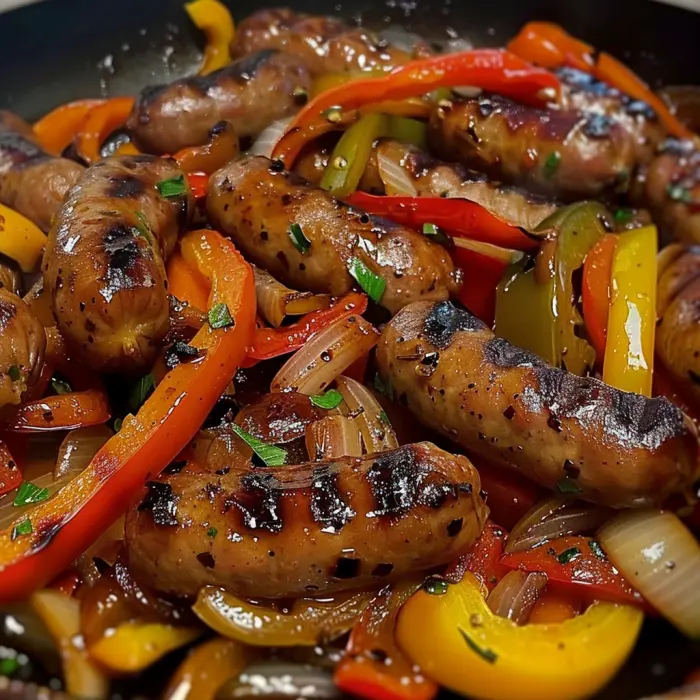
Ah, the sizzle. That’s the first thing you notice, isn’t it? The sound of Italian sausage hitting a hot skillet, soon followed by the unmistakable aroma of fennel seed and garlic filling the air. Then come the colors: vibrant green, red, and yellow bell peppers tangled with pale onions, all softening and sweetening into a glorious mess. This, my friends, is more than just a meal; it’s a cornerstone of Italian-American cuisine, a dish that speaks the language of family gatherings, bustling street fairs, and simple, downright delicious weeknight dinners.
Whether you pile it high on a crusty hero sandwich, spoon it over creamy polenta, or devour it straight from the pan, Italian sausage peppers and onions is a symphony of flavor that’s both incredibly simple and profoundly satisfying. This guide is your ultimate resource, walking you through its rich history, the art of selecting ingredients, and mastering the cooking methods that will make this classic your own. So, let’s dive in!
More Than a Sandwich: A Taste of History and Tradition
Honestly, you can’t truly appreciate a dish without understanding where it came from. Interestingly, while this meal tastes like a direct import from a sun-drenched Italian village, its story is uniquely American. It all began with the wave of Italian immigrants who arrived in the United States in the late 19th and early 20th centuries. They brought with them their cherished traditions, including the art of sausage-making. However, ingredients like the specific pork cuts and specialty cheeses from the old country were often scarce or expensive.
Consequently, these resourceful cooks adapted, utilizing the abundant and affordable produce they found in their new home: bell peppers and onions. Thus, a new, iconic dish was born from necessity and creativity. Furthermore, this hearty and flavorful combination quickly became a staple at community festivals, church fundraisers, and family tables across the nation. It was affordable, easy to make in large quantities, and universally loved. Ultimately, this humble dish represents the very heart of the immigrant experience: preserving tradition while beautifully embracing the new. Today, it remains a beloved classic Italian-American dish, a true testament to comfort food that feeds both the stomach and the soul.
Deconstructing the Dish: The Key Ingredients
Alright, let’s get down to the nitty-gritty: the building blocks. Believe it or not, the magic of this dish lies in the simplicity and quality of just a few components. Each one plays a starring role, and understanding them is your first step toward culinary victory.
The Holy Trinity of Flavor: Breaking Down the Core Ingredients
Basically, you can’t have the show without the main actors! Firstly, we have the robust, spiced sausage. Next, the sweet and colorful peppers step into the spotlight. Finally, the humble onion forms the foundational aroma, tying everything together in a perfect, caramelized embrace. Let’s meet them properly.
Choosing Your Sausage: Sweet, Hot, or Something Else?
This is your biggest flavor decision, folks! Traditionally, you’ll find two main contenders: sweet Italian sausage and hot Italian sausage. The sweet version is not sugary; instead, it’s mild and wonderfully aromatic, seasoned predominantly with garlic and that signature fennel seed, which gives it an earthy, anise-like warmth. On the other hand, the hot variety includes all those same herbs but kicks things up a notch with the addition of spicy red pepper flakes or hot paprika.
So, which one should you choose? Well, it completely depends on your crowd! For a family meal, sweet is often a safer bet. Planning a game day feast? Then the hot version might be just the ticket. Furthermore, you can even use one of each to please everyone! For a healthier twist, chicken or turkey Italian sausage works beautifully, though you may need a little extra olive oil since they are leaner.
The Pepper Palette: Selecting and Preparing Bell Peppers
Now, for a splash of color and sweetness! While green bell peppers are the most common, branching out pays major dividends. Here’s a quick tip: green peppers are more vegetal and slightly bitter, while red, yellow, and orange bells are much sweeter because they’re ripened fully on the vine. Using a mix of two or three colors not only makes your dish visually stunning but also creates a more complex flavor profile.
When selecting the perfect bell peppers, look for firm, glossy skins with no soft spots or wrinkles. Don’t be afraid to toss in a cubanelle pepper for a milder kick or even a single banana pepper for a subtle tang. The goal is layers upon layers of flavor.
The Aromatic Base: The Role of Onions and Garlic
Let’s talk about the unsung heroes: onions and garlic. Slowly cooked until golden and sweet, they form the irresistible foundation that makes the entire dish sing. Yellow onions are your best bet here; they have the perfect balance of sharpness and sugar, transforming into pure magic when carmelized. Vidalia or other sweet onions are also a fantastic choice for an even milder, sweeter result.
As for garlic, its role is non-negotiable! However, here’s a pro tip: add minced garlic towards the end of cooking your onions. Why? Because garlic burns in a heartbeat, and burnt garlic tastes bitter. By adding it late, you preserve its pungent, aromatic flavor that will perfume the entire dish perfectly.
Mastering the Methods: How to Cook It Perfectly
Okay, you’ve got your ingredients prepped and ready. Now, how do you bring it all together? Surprisingly, there isn’t just one way! From the quick stovetop sauté to the hands-off oven method, each technique offers a slightly different texture and flavor. Let’s break them down.
Techniques and Tips: Stovetop, Oven, and Grill Methods
Honestly, the best method depends on your goal. Want a quick, traditional result? Go stovetop. Feeding a crowd with minimal effort? The oven is your friend. Craving that smoky, charred flavor? Fire up the grill! Each path leads to a delicious destination.
The Classic Stovetop Sauté Method
This is the go-to for a reason: it’s fast and delivers incredible control. First, brown your sausage links (or bulk sausage) in a large cast iron skillet or heavy-bottomed pan over medium-high heat. Don’t crowd the pan; work in batches if needed to get a good sear. Once browned, remove the sausage and set it aside.
Next, in those glorious rendered drippings, add your onions and peppers. This is the secret to maximum flavor! You’ll want to sauté them, stirring occasionally, until they’ve softened and developed some beautiful carmelized edges. This process usually takes 15-20 minutes. Then, slice the browned sausages into bite-sized pieces, return them to the pan with the veggies, add a splash of water or broth to deglaze the pan, and let everything simmer together until the sausage is cooked through. The result is a perfectly cohesive and flavorful one-pan wonder.
The Hands-Off Oven Roasting Method
If you’re a fan of easy cleanup and deep, concentrated flavors, you’ll love roasting. Preheat your oven to 400°F (200°C). Simply toss sliced onions and peppers with a little olive oil on a large sheet pan. Then, nestle the whole sausage links right on top. The high heat of the oven will roast the vegetables, concentrating their sweetness, while simultaneously cooking the sausage.
The beauty of this method is its simplicity. Just give everything a toss halfway through the cooking time (about 25-35 minutes total) to ensure even browning. The peppers and onions will get wonderfully tender and slightly charred at the edges, and the sausage will be perfectly juicy.
The Smoky Grilled Method for Maximum Flavor
For those summer barbecues, this is the only way to go! Grilled sausage has an unbeatable smoky flavor. Start by grilling the sausage links over direct medium heat, turning occasionally, until they are nicely charred and nearly cooked through. Meanwhile, toss your pepper and onion slices in a grill basket with a little oil.
Place the basket on the grill alongside the sausage, shaking it occasionally until the veggies are tender-smoky and have attractive grill marks. Once everything is done, simply slice the sausages and mix them with the grilled peppers and onions. The added smokiness takes this classic to a whole new level.
Low and Slow: The Slow Cooker or Crockpot Method
Need a meal that practically cooks itself? The crockpot method is your hero. This is fantastic for parties or busy days. Simply brown the sausage quickly on the stovetop first (this step is highly recommended for flavor), then add everything to the slow cooker. Cook on low for 6-7 hours or on high for 3-4 hours.
A word of caution: the peppers and onions will become very, very soft—almost like a relish. It’s a different texture but incredibly delicious, especially piled onto a soft bun. It’s the ultimate set-it-and-forget-it family meal.
Serving, Pairing, and Variations
You’ve mastered the cooking, but the journey isn’t over! Now comes the fun part: serving and enjoying your creation. While the classic sandwich is iconic, don’t be afraid to think outside the bun!
Serving Your Masterpiece: From Hero to Hoagie and Beyond
Obviously, the most famous way to serve this is on a long, crusty Italian roll—whether you call it a hoagie roll, a hero, or a sub. For the ultimate experience, lightly toast the bun, optionally lay down a slice of provolone or mozzarella cheese, pile the hot sausage and peppers high, and maybe even add a drizzle of the juicy drippings from the pan. Pure heaven!
However, that’s just the beginning. This mixture is incredibly versatile. Try serving it:
-
Over Pasta: Toss with penne or rigatoni and a little reserved pasta water for a quick, incredible sauce.
-
With Polenta: Spoon it over a bed of soft, creamy polenta for the ultimate comfort food bowl.
-
On a Plate: Serve it as a main course with a side of roasted potatoes or a simple arugula salad.
-
As an Appetizer: Skewer bite-sized pieces of sausage and pepper onto toothpicks for a easy party snack.
Delicious Variations and Dietary Tweaks
The basic formula is a perfect canvas for your own creativity. Feel free to play around and make it your own!
Adding a Saucy Twist
For a saucier, more decadent sandwich, add a cup of your favorite marinara sauce to the skillet with the sausages and peppers during the last 10 minutes of cooking. Let it all simmer together until heated through and wonderfully saucy. This is a fantastic way to stretch the meal for a larger family.
Keto and Low-Carb Options
This dish is naturally low in carbs, except for the bun! For a keto-friendly version, simply serve it in a lettuce wrap, over a bowl of cauliflower rice, or with a side of zucchini noodles. It’s just as satisfying without the bread.
Other Protein Ideas
Love the flavor but not in the mood for sausage? No problem! The same cooking method works wonderfully with chicken breast strips, meatballs, or even firm tofu cubes (press them well first!). Just adjust the cooking time accordingly for your chosen protein.
Pro Tips, Storage, and FAQs
You’re almost a certified expert! Before you go, let’s lock in those chef-level secrets and answer all those burning questions.
Chef’s Secrets: Tips for the Best Sausage and Peppers
These little nuggets of wisdom will take your dish from good to legendary:
-
Prick and Brown: Always prick the sausage links a few times with a fork before browning. This prevents them from bursting and allows fat to render out for cooking your veggies.
-
Uniformity is Key: Try to slice your peppers and onions into similarly sized pieces. This ensures they all cook at the same rate.
-
Don’t Crowd the Pan: If you overcrowd your skillet, the vegetables will steam instead of sauté. Cook in batches if necessary to get that perfect carmelized sear.
-
Rest Your Meat: Let the browned sausage rest for a few minutes before slicing. This keeps all those delicious juices inside the meat.
Storing and Reheating for Later Enjoyment
This dish makes for fantastic meal prep! To store it, let it cool completely before transferring it to an airtight container. It will keep in the refrigerator for 3-4 days. For longer storage, it freezes beautifully for up to 3 months.
When reheating, the stovetop is your best bet. Simply warm it slowly in a skillet over medium heat, adding a tiny splash of water if it seems dry. The oven (350°F / 175°C until hot) also works well. Avoid the microwave if you can, as it can make the peppers and sausage rubbery.
Frequently Asked Questions (FAQs)
What’s the difference between sweet and hot Italian sausage?
The difference boils down to spice. Sweet Italian sausage is seasoned with garlic, fennel, and other herbs like parsley, offering a savory, aromatic flavor. Hot Italian sausage includes those same herbs but adds a significant amount of spicy red pepper flakes or pepperoncini, giving it a noticeable kick.
Can I use frozen peppers and onions?
You certainly can in a pinch, but be prepared for a different texture. Frozen vegetables contain a lot of water, which will be released as they thaw and cook. Consequently, they will become very soft and are more likely to steam rather than achieve any carmelized, crispy edges. For the best results, fresh is always preferred.
How do I know when the Italian sausage is fully cooked?
The absolute safest way is to use a meat thermometer. Insert it into the thickest part of the sausage; it should read 160°F (71°C). Visually, the outside should be nicely browned, and the juices should run clear, with no pink meat visible inside.
What are the best sides to serve with sausage and peppers?
It’s incredibly versatile! Beyond the classic sandwich, it pairs wonderfully with a simple Italian subsalad, garlic bread, a fresh caprese salad, or even a hearty lentil soup. For a low-effort meal, a bag of crispy chips is always a hit.
Can I make this dish ahead of time?
Absolutely! In fact, many people think the flavors are even better the next day after they’ve had time to meld. Simply prepare the entire dish, let it cool completely, and store it in the fridge. Reheat gently on the stovetop for a quick and easy meal that tastes like you spent all day cooking.
Print
Italian Sausage Peppers and Onions
Description
🌭 Italian Sausage Peppers and Onions
Ingredients (Serves 4–6)
-
6 Italian sausages (mild or hot, your choice)
-
2 tbsp olive oil
-
2 red bell peppers, sliced
-
1 green bell pepper, sliced
-
1 yellow bell pepper, sliced
-
2 medium onions, sliced
-
3 garlic cloves, minced
-
1 can (14 oz) crushed tomatoes (or tomato sauce)
-
½ cup chicken broth (or white wine)
-
1 tsp dried oregano
-
1 tsp dried basil
-
½ tsp red pepper flakes (optional, for heat)
-
Salt & black pepper, to taste
-
Fresh parsley, chopped (for garnish)
-
Crusty rolls or pasta, for serving
Instructions
-
Brown the sausages:
-
Heat olive oil in a large skillet over medium heat.
-
Add sausages and cook until browned on all sides (they don’t need to be fully cooked through). Remove and set aside.
-
-
Cook the peppers and onions:
-
In the same skillet, add sliced peppers and onions. Cook for 6–7 minutes until softened and slightly caramelized.
-
Stir in garlic and cook 1 more minute.
-
-
Build the sauce:
-
Add crushed tomatoes, chicken broth (or wine), oregano, basil, red pepper flakes, salt, and black pepper. Stir well.
-
-
Simmer with sausages:
-
Return sausages to the skillet, nestling them into the sauce.
-
Cover and simmer on low heat for 20–25 minutes, until sausages are fully cooked and flavors meld together.
-
-
Serve:
-
Garnish with fresh parsley.
-
Serve on toasted crusty rolls, with pasta, or alongside roasted potatoes.
-