
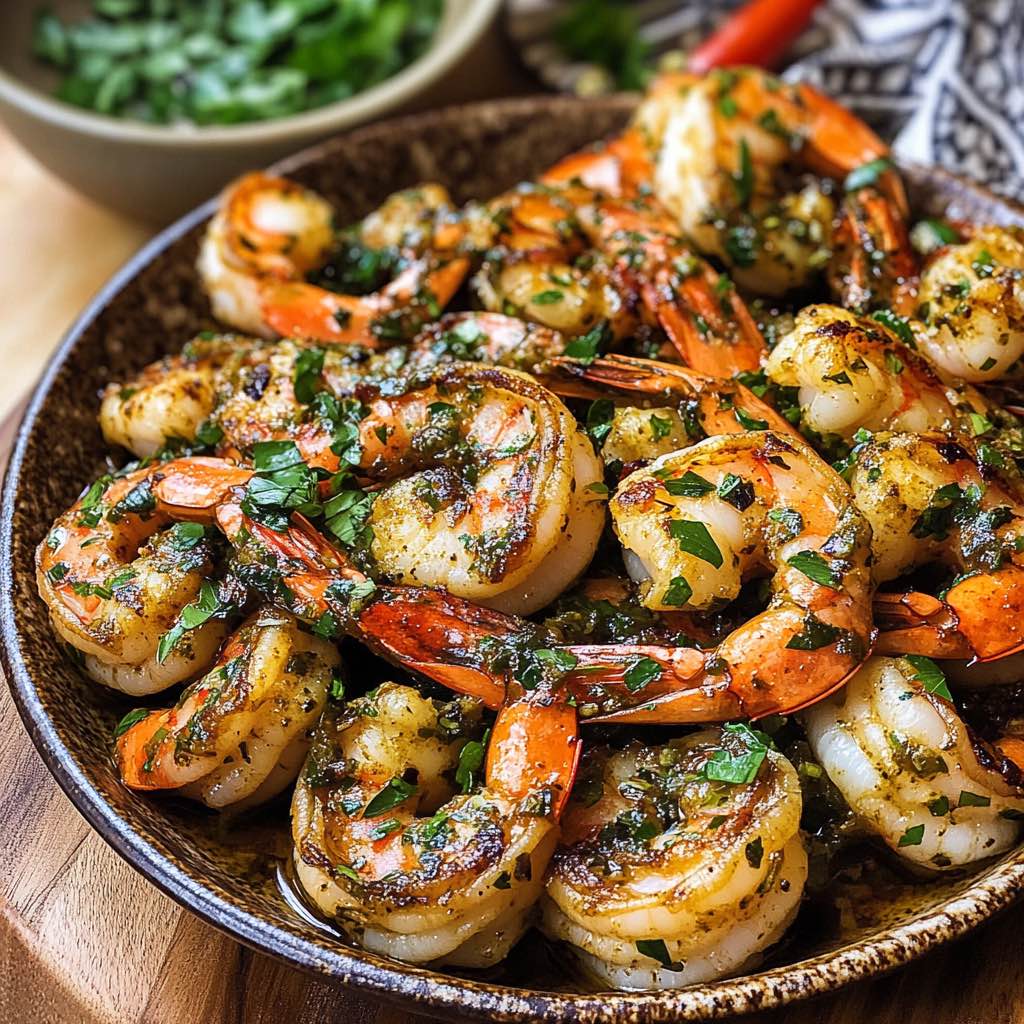
Pan-Seared Chimichurri Shrimp: The Ultimate Quick & Flavorful Seafood Recipe
Introduction
Pan-Seared Chimichurri Shrimp delivers restaurant-quality flavor right in your home kitchen. This vibrant dish combines tender, perfectly seared shrimp with a bright, herbaceous chimichurri sauce that transforms simple seafood into something extraordinary. The best part? It takes less than 30 minutes from start to finish.
This recipe is relies on fresh herbs, quality olive oil, and simple seasonings. Whether planning a weeknight dinner or entertaining guests, this dish impresses without demanding hours in the kitchen. The combination of high-heat searing and fresh, punchy sauce creates layers of flavor that keep people coming back for more.
What Is Chimichurri Sauce?
Chimichurri sauce originated in Argentina and Uruguay as a traditional accompaniment to grilled meats. This vibrant green condiment features fresh herbs, garlic, olive oil, and vinegar. Traditional recipes call for fresh parsley as the base ingredient, combined with oregano, garlic, and red pepper flakes.
The sauce stands out for its bright, tangy flavor profile. Unlike heavy cream-based sauces, chimichurri remains light and fresh. The key to authentic chimichurri lies in hand-chopping the herbs rather than using a food processor. This method preserves the texture and prevents the sauce from becoming paste-like.
Core Chimichurri Components
Fresh flat-leaf parsley forms the foundation of excellent chimichurri. Some recipes incorporate cilantro for additional herbal notes. Garlic adds sharp, pungent depth while olive oil provides richness. Red pepper flakes contribute gentle heat, and vinegar brings brightness that balances the oil.
The beauty of chimichurri lies in its versatility. The sauce works wonderfully with seafood, chicken, vegetables, and more. Its fresh, bold flavors complement pan-seared shrimp perfectly.
Why Pan-Seared Chimichurri Shrimp Works
This dish succeeds because of contrasting textures and complementary flavors. High-heat searing creates a golden crust on the shrimp while keeping the interior tender and juicy. The bright, herbaceous chimichurri cuts through the richness of the shrimp.
Pan-searing ranks among the healthiest cooking methods for shrimp. It requires minimal added fat while locking in nutrients. The technique also develops complex flavors through the Maillard reaction, creating depth without heavy sauces or batters.
The preparation method respects the delicate nature of shrimp. Quick cooking prevents the rubbery texture that comes from overcooking. Each bite delivers perfectly cooked seafood enhanced by fresh herbs and bold seasonings.
Essential Ingredients
For the Shrimp
Large shrimp (16-20 count per pound) work best for pan-searing. They provide enough surface area for proper browning. Look for fresh or flash-frozen shrimp without added sodium. Peeled and deveined shrimp save time and simplify preparation.
Olive oil facilitates searing and adds healthy fats. Just a tablespoon or two suffices for coating the pan. Garlic enhances the shrimp’s natural sweetness. Smoked paprika contributes subtle smoky notes without overwhelming other flavors.
Cumin adds earthy warmth that pairs beautifully with chimichurri. Red pepper flakes provide gentle heat that builds gradually. Salt and black pepper season the shrimp and enhance all other flavors.
For the Chimichurri Sauce
Fresh parsley serves as the star ingredient. Use flat-leaf Italian parsley for the best flavor and texture. Fresh oregano or dried oregano contributes earthy, herbaceous notes. Fresh works wonderfully, but high-quality dried oregano also delivers excellent results.
Garlic cloves provide sharp, pungent flavor that mellows after sitting. Mince them finely for even distribution throughout the sauce. Red pepper flakes add pleasant heat without making the sauce spicy.
Extra virgin olive oil brings richness and helps meld the flavors together. Choose cold-pressed oil with fruity, peppery notes. Vinegar adds brightness and acidity. Use quality vinegar for the best results.
Sea salt makes all the flavors pop and balances the acidity. Some cooks add finely minced sweet onion or shallot for additional complexity.
Nutritional Benefits of Shrimp
Shrimp ranks among the healthiest protein choices available. A 3-ounce serving contains approximately 20 grams of lean protein while remaining low in calories. This makes shrimp excellent for those watching their caloric intake while maintaining adequate protein consumption.
Rich in Essential Nutrients
Shrimp provides significant amounts of vitamin B12, which supports nerve function and red blood cell formation. It also contains selenium, a powerful antioxidant that protects cells from damage. Iodine, crucial for thyroid function, appears abundantly in shrimp.
The seafood offers omega-3 fatty acids, though in smaller quantities than fatty fish. These beneficial fats support heart and brain health. Shrimp also provides minerals like zinc, copper, and phosphorus.
Cooking Methods Matter
Pan-searing with minimal oil preserves shrimp’s nutritional value. This technique avoids the excessive calories and saturated fats that come with deep frying. Proper cooking also maintains the delicate protein structure, making nutrients more bioavailable.
Research shows that different cooking methods affect shrimp’s fatty acid and amino acid profiles. Gentle cooking techniques like sautéing and pan-searing help retain beneficial compounds. Check out our guide on [insert link] for more information about cooking seafood healthily.
Step-by-Step Cooking Instructions
Prepare the Chimichurri Sauce
Start by finely chopping fresh parsley. Avoid using a food processor, as hand-chopping preserves the proper texture. Remove the thick stems first, then chop the leaves and tender stems together.
Mince garlic cloves finely and add them to a medium bowl. Add dried oregano, red pepper flakes, salt, and pepper. Pour in olive oil and vinegar, then stir everything together.
Allow the chimichurri to stand for at least one hour if time permits. This resting period lets the flavors meld together beautifully. The garlic mellows slightly while the herbs infuse the oil.
Season the Shrimp
Pat shrimp completely dry using paper towels. This step proves crucial for achieving proper browning. Moisture on the surface creates steam instead of allowing the shrimp to sear.
Place dried shrimp in a large bowl. Drizzle with olive oil and add minced garlic, smoked paprika, cumin, red pepper flakes, salt, and black pepper. Toss everything together until the shrimp are evenly coated.
Let the seasoned shrimp rest for 10-20 minutes in the refrigerator. This brief marination enhances flavor penetration. The seasonings adhere better to the shrimp surface during this time.
Sear the Shrimp
Heat a large skillet or grill pan over medium-high to high heat. Add enough olive oil to coat the bottom of the pan. Let the oil heat until it shimmers but doesn’t smoke.
Arrange shrimp in a single layer without crowding. Leave space between each piece to ensure proper browning. Work in batches if necessary rather than overcrowding the pan.
Cook shrimp for 2-3 minutes without moving them. This allows a golden crust to develop on the bottom. Flip each shrimp and cook for another 2-3 minutes.
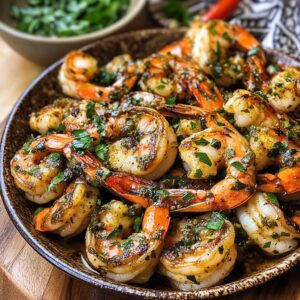
The shrimp are done when they turn pink and curl into a C-shape. Avoid overcooking, which creates a rubbery texture. Shrimp that curl too tightly into an O-shape have been overcooked.
Combine and Serve
Transfer cooked shrimp to a serving dish or return them all to the pan. Pour about one-quarter cup of chimichurri over the shrimp. Toss gently to coat everything evenly.
Warm the sauce-coated shrimp for about one minute. This brief heating allows the flavors to meld without overcooking the seafood. Transfer to plates and spoon additional chimichurri over the top.
Serve the remaining chimichurri in a small bowl on the side. This allows guests to add more sauce according to their preferences. Garnish with lemon wedges for brightness.
Pro Tips for Perfect Seared Shrimp
Size Matters
Choose larger shrimp (16-20 count per pound) for pan-searing. Smaller shrimp cook so quickly that achieving a proper crust becomes difficult. Larger shrimp provide more time for browning while maintaining a tender interior.
Dry Thoroughly
The single most important tip for perfectly seared shrimp involves removing all surface moisture. Use paper towels to pat each shrimp completely dry. Even small amounts of water prevent browning and create steam instead.
Don’t Overcrowd
Give each shrimp adequate space in the pan. Crowding drops the pan temperature and causes steaming rather than searing. Cook in two or three batches if your pan isn’t large enough.
Control the Heat
Use medium-high to high heat for proper searing. The pan should be hot enough that the shrimp sizzle immediately upon contact. Too low a temperature results in tough, rubbery shrimp.
Watch the Timing
Shrimp cook incredibly quickly. Total cooking time should be just 4-6 minutes. Set a timer to avoid overcooking. Remove shrimp from heat the moment they turn pink and form a gentle C-curve.
Use Fresh Herbs
Fresh parsley makes all the difference in chimichurri sauce. The vibrant flavor of fresh herbs cannot be replicated with dried. Purchase herbs just before making the sauce for maximum impact.
Make Extra Sauce
Chimichurri keeps well in the refrigerator for up to a week. Make a double batch to use on grilled chicken, vegetables, or sandwiches. The sauce adds instant flavor to countless dishes.
Serving Suggestions
Complete Meal Ideas
Pan-Seared Chimichurri Shrimp pairs beautifully with many sides. Serve over fluffy white rice or cilantro lime rice to soak up the flavorful sauce. The rice provides a neutral base that lets the bright chimichurri shine.
Crusty bread makes an excellent accompaniment. Use it to mop up every drop of sauce left on the plate. Warm the bread slightly for added appeal.
Fresh tomato salad offers a refreshing contrast to the rich shrimp. The acidity and crunch balance the tender seafood perfectly. Toss cherry tomatoes with olive oil, salt, and fresh herbs.
Vegetable Pairings
Roasted vegetables complement the dish wonderfully. Try roasted bell peppers, zucchini, or asparagus. The charred vegetables echo the seared shrimp while adding nutritional value.
Simple sautéed greens provide color and nutrients. Spinach, kale, or Swiss chard work well. Season lightly to avoid competing with the bold chimichurri.
Grilled corn on the cob adds sweetness that balances the tangy sauce. Cut kernels off the cob and toss them with a bit of chimichurri for extra flavor.
Presentation Tips
Arrange shrimp in a circular pattern on individual plates. Spoon chimichurri generously over the top. Add lemon wedges for squeezing at the table.
Garnish with additional fresh parsley for visual appeal. A light dusting of red pepper flakes adds color. Serve immediately while the shrimp remain hot and tender.
Common Mistakes to Avoid
Overcooking the Shrimp
The most common error involves cooking shrimp too long. Overcooked shrimp become rubbery and lose their sweet, delicate flavor. Watch carefully and remove them from heat the moment they turn pink.
Using Wet Shrimp
Failing to dry shrimp properly prevents browning. Moisture creates steam that inhibits the Maillard reaction. Always pat shrimp thoroughly dry before seasoning.
Processing the Chimichurri
Running chimichurri through a food processor creates a paste-like consistency. Traditional chimichurri should have texture and body. Always chop herbs by hand for authentic results.
Crowding the Pan
Placing too many shrimp in the pan at once lowers the temperature. This causes steaming instead of searing. Work in batches to maintain proper heat.
Using Poor Quality Ingredients
Chimichurri relies on few ingredients, so quality matters tremendously. Use fresh herbs, good olive oil, and quality vinegar. Inferior ingredients produce inferior results.
Skipping the Resting Time
Not allowing chimichurri to rest means missing out on developed flavors. The sauce improves significantly after sitting for an hour or more. Plan ahead when possible to let flavors meld.
Storage and Meal Prep
Storing Chimichurri
Chimichurri sauce keeps for 5-7 days at room temperature in a sealed container. For longer storage, refrigerate it for up to two weeks. The olive oil will solidify when cold, so remove the sauce 30 minutes before serving.
Never microwave chimichurri to warm it. The intense heat damages the delicate herbs and olive oil. Room temperature brings the best flavor and consistency.
Preparing Shrimp Ahead
Season raw shrimp up to 4 hours in advance. Store covered in the refrigerator until ready to cook. This extended marination deepens the flavor.
Avoid cooking shrimp ahead of time. They taste best when served immediately after cooking. Reheating causes additional cooking that toughens the texture.
Freezing Guidelines
Freeze chimichurri in ice cube trays for portion control. Once frozen solid, transfer cubes to a freezer bag. Thaw individual portions as needed.
Raw seasoned shrimp can be frozen for up to three months. Freeze in a single layer on a baking sheet first. Transfer to a freezer bag once solid. Thaw in the refrigerator overnight before cooking.
Variations and Substitutions
Protein Alternatives
This preparation method works beautifully with other proteins. Try pan-seared chicken breasts or thighs for a heartier meal. Firm white fish like cod or halibut also pair wonderfully with chimichurri.
Grilled steak benefits from chimichurri’s bright flavors. The sauce originated as a meat accompaniment in Argentina. Even grilled vegetables shine when topped with this vibrant sauce.
Herb Modifications
While parsley forms the traditional base, cilantro adds interesting variation. Some recipes use equal parts parsley and cilantro for complex herbal notes. Fresh basil contributes sweet, peppery undertones.
Experiment with different herb combinations to find personal favorites. Mint, chives, and tarragon all bring unique characteristics. Stick with soft-leaf herbs rather than woody ones like rosemary.
Heat Level Adjustments
Reduce or omit red pepper flakes for a milder sauce. Add minced fresh jalapeño or serrano pepper for more heat. Calabrian chili peppers provide fruity heat with complexity.
Adjust seasonings to personal taste preferences. Some palates prefer more garlic, while others like extra vinegar. Taste and adjust before serving.
Vinegar Options
Traditional recipes call for red vinegar. However, different vinegars create unique flavor profiles. Try experimenting with various types to discover preferences.
Lemon juice can substitute for some or all of the vinegar. This creates a brighter, less tangy sauce. Balance acidity carefully when making substitutions.
Frequently Asked Questions
What is Pan-Seared Chimichurri Shrimp?
Pan-Seared Chimichurri Shrimp features quick-cooked shrimp topped with a fresh herb sauce from Argentina. The dish combines high-heat searing techniques with vibrant, herbaceous flavors. It takes less than 30 minutes to prepare from start to finish.
Can I make chimichurri ahead of time?
Yes, chimichurri actually improves after sitting for at least one hour. The flavors meld together beautifully during this time. Store it at room temperature for up to a week or refrigerate for longer storage.
How do I know when shrimp are properly cooked?
Perfectly cooked shrimp turn pink and curl into a gentle C-shape. The flesh becomes opaque rather than translucent. Total cooking time should be just 4-6 minutes. Shrimp that curl tightly into an O-shape have been overcooked.
Do I need to use a food processor for chimichurri?
No, traditional chimichurri should be hand-chopped. Food processors create a paste-like consistency instead of the proper texture. Hand-chopping takes only a few extra minutes and produces superior results.
What sides go well with this dish?
Rice, crusty bread, and roasted vegetables all pair beautifully with Pan-Seared chimichurri Shrimp. Fresh tomato salad adds refreshing contrast. Simple sautéed greens provide nutritional balance. The mild sides allow the bold chimichurri flavors to shine.
Can I use frozen shrimp?
Yes, frozen shrimp work perfectly for this recipe. Choose high-quality, flash-frozen shrimp without added sodium. Thaw completely in the refrigerator overnight before cooking. Pat thoroughly dry before seasoning and searing.
How long does chimichurri last?
Chimichurri keeps at room temperature for 5-7 days in a sealed container. Refrigerated, it lasts up to two weeks. Remove it from the refrigerator 30 minutes before serving to bring it to room temperature. The olive oil solidifies when cold but returns to liquid form at room temperature.
Conclusion
Pan-Seared Chimichurri Shrimp delivers exceptional flavor with minimal effort. The combination of perfectly seared seafood and vibrant, herbaceous sauce creates a restaurant-quality meal in under 30 minutes. Fresh herbs, quality olive oil, and proper technique make all the difference.
This dish proves that healthy eating doesn’t require sacrifice. Shrimp provides lean protein and essential nutrients. Pan-searing preserves these benefits while developing complex flavors. The bright chimichurri adds freshness without heavy calories.
Master this recipe and it will become a regular rotation favorite. The technique works for entertaining guests or quick weeknight dinners. Each bite delivers tender shrimp enhanced by bold, fresh flavors.
Print
Pan-Seared Chimichurri Shrimp
Description
Pan-Seared Chimichurri Shrimp
Ingredients:
For the Shrimp:
-
1 lb large shrimp, peeled and deveined
-
2 tablespoons olive oil
-
2 cloves garlic, minced
-
Salt and black pepper, to taste
-
½ teaspoon smoked paprika (optional)
For the Chimichurri Sauce:
-
½ cup fresh parsley, finely chopped
-
¼ cup fresh cilantro, finely chopped
-
3 garlic cloves, minced
-
½ cup olive oil
-
½ teaspoon red pepper flakes
-
Salt and black pepper, to taste
Instructions:
-
Make the chimichurri:
In a bowl, mix parsley, cilantro, garlic, olive oil, red pepper flakes, salt, and black pepper.
Let sit 10–15 minutes to allow flavors to meld. -
Cook the shrimp:
Heat olive oil in a skillet over medium-high heat.
Add garlic and sauté 30 seconds until fragrant.
Add shrimp, season with salt, pepper, and smoked paprika.
Cook 2–3 minutes per side, until pink and opaque. -
Combine & serve:
Drizzle chimichurri over the cooked shrimp or toss gently to coat.
Serve with rice, crusty bread, or over a fresh salad.