
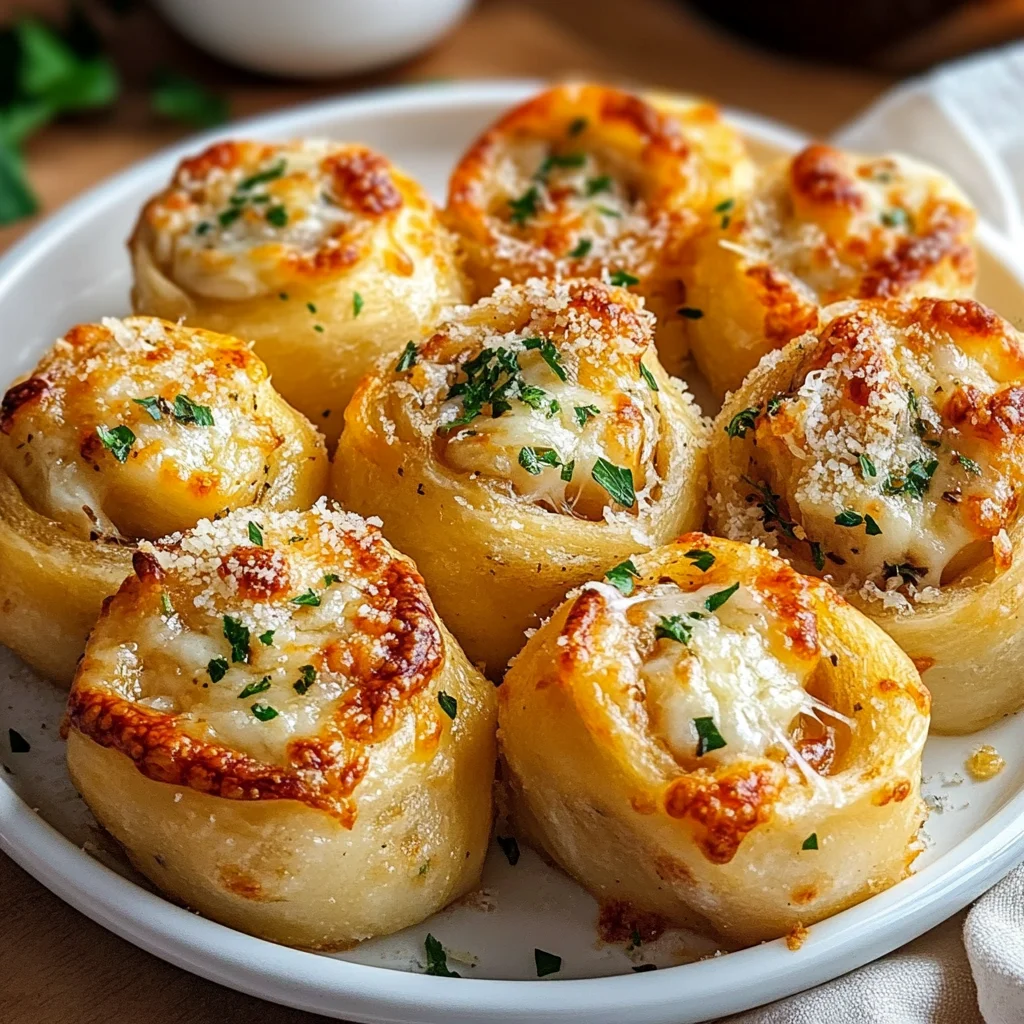
Parmesan Garlic Pizza Rolls: Your Ultimate Guide to the Perfect Appetizer
Parmesan Garlic Pizza Rolls are the ultimate crowd-pleasing appetizer that combines crispy dough with savory cheese and aromatic garlic. These bite-sized delights deliver all the flavors of your favorite pizza in a convenient, handheld form. Whether you’re hosting game night, planning a family dinner, or simply craving something delicious, these rolls transform simple ingredients into an irresistible snack that disappears within minutes of leaving the oven.
What Are Parmesan Garlic Pizza Rolls?
Parmesan garlic pizza rolls are miniature rolled appetizers featuring pizza dough wrapped around melted cheese, savory toppings, and finished with a butter-garlic-Parmesan coating. These golden-brown rolls originated as a homemade alternative to commercial frozen snacks, offering superior flavor and customization options.
The combination works brilliantly because the dough creates a crispy exterior while maintaining a soft interior. Fresh garlic infuses each bite with aromatic intensity. Meanwhile, Parmesan cheese adds nutty, salty notes that complement the melted mozzarella inside.
Additionally, these rolls provide versatility that standard pizza cannot match. You can prepare dozens simultaneously, making them perfect for gatherings. The portable format eliminates the need for plates or utensils. Kids and adults alike appreciate the finger-food convenience.
The Appeal Factor
These appetizers succeed because they satisfy multiple cravings simultaneously. The crispy texture contrasts beautifully with gooey cheese. Garlic provides savory depth without overwhelming other flavors. Furthermore, the Parmesan coating creates an umami-rich finish that keeps people reaching for more.
Why These Pizza Rolls Are So Popular
The popularity of homemade Parmesan garlic pizza rolls continues growing for several compelling reasons. First, they cost significantly less than ordering delivery or purchasing frozen alternatives. A batch feeding eight people typically costs under ten dollars in ingredients.
Second, customization allows dietary accommodations impossible with store-bought versions. You control sodium levels, choose quality ingredients, and adjust flavors to personal preferences. Vegetarians can omit meat while ensuring no cross-contamination occurs.
Moreover, preparation takes minimal effort despite impressive results. Even novice cooks successfully create restaurant-quality appetizers following straightforward instructions. The forgiving nature of pizza dough means small mistakes rarely ruin the final product.
Social Media Influence
Visual appeal drives significant social media sharing. Golden-brown rolls photographed fresh from the oven generate substantial engagement on platforms like Instagram and Pinterest. This exposure introduces new audiences to homemade versions, perpetuating the trend.
Essential Ingredients Breakdown
Creating exceptional Parmesan garlic pizza rolls requires quality ingredients working together harmoniously. Each component plays a specific role in achieving the perfect balance of flavors and textures.
Dough Selection
Pizza dough forms the foundation. You have three primary options:
-
Store-bought refrigerated dough offers convenience and consistency
-
Frozen dough requires advance thawing but costs less
-
Homemade dough provides complete control over ingredients and texture
Room-temperature dough rolls easier and bakes more evenly. Therefore, remove refrigerated dough thirty minutes before use. Frozen dough needs three to four hours at room temperature.
Cheese Components
Mozzarella creates the signature cheese pull. Use whole-milk mozzarella for maximum flavor and superior melting properties. Pre-shredded cheese contains anti-caking agents that prevent optimal melting. Consequently, shredding block cheese yourself yields better results.
Parmesan cheese appears twice in this recipe. Inside, it enhances the filling with sharp, nutty notes. Outside, it forms the distinctive coating. Freshly grated Parmesan melts more smoothly than pre-grated varieties.
Garlic Preparation
Fresh garlic delivers the most robust flavor. Minced garlic releases oils that infuse the butter coating. Three to four cloves provide noticeable garlic presence without overpowering other ingredients. Garlic powder works adequately as a substitute but lacks the complexity of fresh cloves.
Butter and Oil
Melted butter carries garlic and Parmesan onto the roll surfaces. Unsalted butter lets you control sodium levels precisely. Some recipes incorporate olive oil for additional richness and to prevent burning during baking.
Additional Seasonings
Italian seasoning blend adds herbaceous notes. Oregano, basil, and thyme complement the garlic-cheese combination beautifully. Red pepper flakes introduce optional heat. A pinch of salt enhances all flavors without making the rolls taste salty.
Kitchen Tools You’ll Need
Proper equipment streamlines preparation and improves results. Fortunately, making Parmesan garlic pizza rolls requires only basic kitchen tools.
Essential Items
You’ll need a clean work surface for rolling dough. Marble or granite countertops work ideally due to their smooth, cool surfaces. A large cutting board serves as an acceptable alternative.
A rolling pin creates uniform dough thickness. Consistent thickness ensures even cooking throughout each roll. Without a rolling pin, a drinking glass works temporarily.
Sharp knives or a pizza cutter slice dough cleanly. Dull blades tear dough rather than cutting, creating uneven edges that don’t seal properly.
Baking Equipment
A standard baking sheet accommodates approximately sixteen rolls comfortably. Line the sheet with parchment paper to prevent sticking and simplify cleanup. Silicone baking mats provide a reusable alternative.
A pastry brush applies the garlic butter coating evenly. Silicone brushes clean easier than natural bristle versions. In a pinch, a spoon drizzles butter adequately, though less uniformly.
Optional But Helpful
A bench scraper lifts dough sections without stretching them. Measuring spoons ensure consistent seasoning amounts. A small microwave-safe bowl melts butter quickly. A grater processes block cheese into the ideal texture.
Step-by-Step Preparation Guide
Follow this detailed process to create perfect Parmesan garlic pizza rolls every time. Taking care with each step ensures optimal texture and flavor.
Preparing the Workspace
Preheat your oven to 400°F (200°C). This temperature creates crispy exteriors while cooking interiors thoroughly. Meanwhile, position the oven rack in the center for even heat distribution.
Line your baking sheet with parchment paper. Set it aside within easy reach. Lightly flour your work surface to prevent dough from sticking.
Rolling the Dough
Place pizza dough on the floured surface. If using refrigerated dough, unroll it carefully. Let it rest two minutes to relax the gluten. This makes rolling easier.
Roll dough into a large rectangle measuring approximately twelve by sixteen inches. Aim for quarter-inch thickness throughout. Thinner dough creates crispier rolls, while thicker dough yields softer textures.
Creating the Filling
Spread a thin layer of pizza sauce across the dough, leaving a half-inch border on all edges. Approximately half a cup of sauce covers the surface adequately without making rolls soggy.
Sprinkle shredded mozzarella evenly across the sauce. Use roughly one and a half cups total. Distribute it uniformly so every roll contains cheese. Add grated Parmesan cheese next, using about one-third cup.
Season the cheese layer with Italian seasoning and a pinch of garlic powder. This adds flavor directly into the filling.
Rolling and Cutting
Starting from the long edge, roll the dough tightly into a log. Keep tension consistent but avoid stretching the dough. Tighter rolls hold together better during baking.
Use a sharp knife or pizza cutter to slice the log into sixteen equal pieces. Wipe the blade clean between cuts to prevent cheese from dragging. Each piece should measure approximately one inch wide.
Arranging for Baking
Place rolls cut-side up on the prepared baking sheet. Space them about one inch apart. They expand slightly during baking, so adequate spacing prevents sticking together.
Applying the Coating
Melt four tablespoons of butter in a small bowl. Add three cloves of minced garlic to the melted butter. Stir well to distribute garlic evenly. Let this mixture sit for two minutes, allowing flavors to meld.
Brush each roll generously with garlic butter. Ensure the tops and exposed edges receive coating. This creates the signature golden-brown finish and infuses garlic flavor throughout.
Sprinkle grated Parmesan cheese over the buttered rolls. Use approximately one-third cup total. The cheese adheres to the butter and creates a delicious crust during baking.
Baking Process
Place the baking sheet in the preheated oven. Bake for fourteen to eighteen minutes. Watch for golden-brown coloring on top and lightly browned edges.
The cheese should bubble and the dough should feel firm when gently pressed. Internal temperature should reach 190°F for fully cooked dough.
Finishing Touches
Remove the baking sheet from the oven. Let rolls cool for three to five minutes before serving. This brief resting period allows cheese to set slightly, preventing burning mouths. Moreover, it makes rolls easier to transfer to a serving platter.
Optionally, brush with additional garlic butter and sprinkle with fresh parsley for extra flavor and visual appeal.
Pro Tips for Perfect Results
Mastering a few professional techniques elevates homemade Parmesan garlic pizza rolls from good to exceptional. These tips address common challenges and optimize flavor.
Dough Handling Secrets
Room-temperature dough rolls significantly easier than cold dough. Plan accordingly by removing dough from refrigeration early. If dough resists rolling and springs back constantly, let it rest five additional minutes. This allows gluten to relax.
Avoid over-flouring your work surface. Excess flour toughens the dough and prevents proper sealing. Use just enough to prevent sticking.
Filling Distribution
Less filling actually works better than overstuffing. Too much cheese causes rolls to burst during baking, creating messy cleanup and uneven cooking. A conservative approach maintains structural integrity.
Leaving a clean border around dough edges creates a seal when rolling. Sauce or cheese on edges prevents proper adhesion.
Achieving Golden Perfection
Brushing rolls with garlic butter before baking creates superior browning compared to adding it afterward. The butter promotes caramelization and helps Parmesan adhere.
For extra-crispy bottoms, bake rolls directly on a preheated pizza stone instead of a baking sheet. The stone’s heat creates immediate crisping upon contact.
Preventing Sogginess
Avoid using too much sauce. Excess moisture steams the dough from inside, creating soggy centers. Two to three tablespoons of sauce per pizza roll log provides adequate flavor without compromising texture.
Bake rolls immediately after assembly. Letting filled dough sit allows moisture to penetrate, resulting in less crispy results.
Timing Considerations
Check rolls at the minimum baking time. Ovens vary considerably in actual temperature despite dial settings. Visual cues matter more than exact timing. Look for golden-brown tops and bubbling cheese.
Creative Filling Variations
While classic Parmesan garlic pizza rolls satisfy most occasions, experimenting with different fillings adds variety to your appetizer repertoire. These variations maintain the basic technique while introducing new flavor profiles.
Meat Lover’s Style
Add cooked Italian sausage, pepperoni slices, and crumbled bacon to the standard cheese filling. Pre-cook all meats thoroughly and drain excess grease before adding to dough. This prevents rolls from becoming greasy.
Canadian bacon provides smoky flavor without excessive fat. Dice it finely for even distribution throughout each roll.
Vegetable-Packed Version
Sautéed mushrooms, bell peppers, and onions create a hearty vegetarian option. Cook vegetables until they release moisture and begin caramelizing. This concentrates flavors and prevents soggy rolls.
Spinach and artichoke hearts work wonderfully together. Squeeze excess moisture from thawed frozen spinach before incorporating it. Chop artichoke hearts into small pieces for easier rolling.
Margherita Interpretation
Fresh mozzarella, tomato slices, and basil leaves deliver classic Italian flavors. Pat tomato slices dry with paper towels to remove excess moisture. Tear basil leaves rather than cutting them to prevent bruising and browning.
Use fresh mozzarella sparingly since it contains more moisture than low-moisture mozzarella. One or two thin slices per roll suffices.
Buffalo Chicken Style
Shredded rotisserie chicken tossed in buffalo sauce creates a spicy variation. Mix chicken with ranch dressing to mellow the heat slightly. Blue cheese crumbles add tangy contrast.
Ensure buffalo sauce coats chicken evenly but isn’t dripping wet. Excess sauce makes dough difficult to seal and creates messy baking.
Mediterranean Approach
Feta cheese, sun-dried tomatoes, and kalamata olives transport taste buds to Greece. Chop sun-dried tomatoes and olives finely. Their intense flavors distribute well even in small quantities.
Add fresh oregano and a squeeze of lemon juice to the garlic butter for authentic Mediterranean flair.
Serving Suggestions and Pairings
Presenting Parmesan garlic pizza rolls attractively enhances the eating experience. Strategic pairings complement their rich flavors without overwhelming them.
Dipping Sauce Options
Marinara sauce provides classic pizza flavor. Warm it gently and serve in small bowls for easy dipping. Homemade marinara tastes significantly better than jarred versions but requires advance preparation.
Ranch dressing offers cooling contrast to garlic intensity. Its creamy texture pairs beautifully with crispy roll exteriors. Check out our guide on homemade ranch dressing for the best results.
Garlic aioli doubles down on garlic flavor for true garlic lovers. Make it by mixing mayonnaise with minced garlic, lemon juice, and a pinch of salt.
Pesto introduces herbal notes and bright acidity. Basil pesto works traditionally, but sun-dried tomato pesto provides interesting variation.
Accompaniment Ideas
Fresh salads balance the richness of pizza rolls. A simple arugula salad with lemon vinaigrette cuts through cheese and butter effectively. Tomato and cucumber salad offers refreshing crunch.
Vegetable crudités provide healthy contrast. Carrot sticks, celery, and bell pepper strips add color and texture variety to the appetizer spread.
For heartier meals, serve pizza rolls alongside soup. Tomato basil soup creates an Italian-themed dinner. Minestrone soup offers more substantial accompaniment.
Presentation Tips
Arrange rolls on a rustic wooden board for casual entertaining. Garnish with fresh herbs like parsley or basil for color contrast. Small dishes of various dipping sauces scattered around the board encourage sampling different combinations.
For formal occasions, individual serving plates with three rolls and a small ramekin of sauce look elegant. A light dusting of additional Parmesan and fresh herbs adds finishing touches.
Serve pizza rolls hot or warm. Their appeal diminishes significantly once they reach room temperature. Plan serving timing accordingly or use warming trays for extended gatherings.
Storage and Reheating Methods
Proper storage preserves quality and food safety. Reheating techniques restore crispy texture and hot, melted cheese.
Refrigerator Storage
Cool leftover rolls completely before storing. Place them in an airtight container with paper towels between layers. The paper towels absorb condensation that would otherwise make rolls soggy.
Refrigerated rolls maintain quality for three to four days. Label containers with preparation dates to track freshness.
Freezing Instructions
Freeze pizza rolls either before or after baking. Each method offers distinct advantages.
Freezing Unbaked Rolls: Assemble rolls completely but don’t apply garlic butter coating. Arrange on a baking sheet and freeze until solid. Transfer frozen rolls to freezer bags, removing excess air. They keep well for two months.
Bake frozen rolls without thawing. Add three to five minutes to the standard baking time. Apply garlic butter coating before baking as usual.
Freezing Baked Rolls: Cool baked rolls completely. Wrap individually in plastic wrap, then place in freezer bags. This prevents freezer burn and allows removing desired quantities without thawing entire batches.
Reheating for Best Results
The oven delivers superior reheating results compared to microwaving. Preheat oven to 350°F. Place rolls on a baking sheet and heat for eight to ten minutes until warmed through and exteriors crisp up.
An air fryer reheats rolls excellently in just three to four minutes at 350°F. They emerge crispy outside with hot, melted cheese inside.
Microwaving works for convenience but sacrifices crispy texture. Place rolls on a microwave-safe plate and heat in fifteen-second intervals until warm. They’ll taste fine but won’t have the desirable crunch.
According to food safety guidelines from the USDA, reheat all foods to an internal temperature of 165°F to ensure safety.
Common Mistakes to Avoid
Even experienced cooks encounter challenges when making Parmesan garlic pizza rolls. Recognizing these pitfalls helps prevent disappointing results.
Overworking the Dough
Handling dough excessively develops gluten, making it tough and chewy. Roll it out once, cut it, and move on. Constantly repositioning and re-rolling creates dense, less tender results.
If dough tears, patch it gently and continue. Small imperfections won’t significantly impact the final product.
Incorrect Oven Temperature
An oven thermometer reveals whether your oven’s actual temperature matches the dial setting. Many ovens run hot or cold by twenty-five degrees or more. This variance affects baking time and browning significantly.
Rolls baked at too low temperatures spread excessively and don’t develop golden-brown color. Too high temperatures burn exteriors before interiors cook through.
Skipping the Resting Period
Allowing dough to rest after rolling reduces shrinkage during baking. Just two minutes makes a noticeable difference. This brief pause lets gluten relax, maintaining your carefully shaped rectangle.
Similarly, letting baked rolls rest before serving prevents burnt tongues and allows cheese to set slightly for neater eating.
Using Low-Quality Ingredients
Pizza rolls showcase relatively few ingredients, making quality crucial. Bland mozzarella produces bland rolls. Fresh garlic vastly outperforms jarred minced garlic in flavor intensity.
Real Parmesan cheese tastes incomparably better than “Parmesan-style” products. The authentic aged cheese provides complex, nutty flavors impossible to replicate with substitutes.
Neglecting Proper Spacing
Crowding rolls on the baking sheet prevents air circulation. This creates uneven cooking and prevents proper browning on all sides. Additionally, crowded rolls may stick together, tearing when separated.
One inch between rolls allows adequate space for minor expansion and heat circulation.
Nutritional Information
Understanding the nutritional content of Parmesan garlic pizza rolls helps with dietary planning and portion control. These values represent approximations since exact numbers vary based on specific ingredients and preparation methods.
Per Serving Breakdown
One standard Parmesan garlic pizza roll contains approximately:
-
Calories: 120-140
-
Total Fat: 6-8g
-
Saturated Fat: 3-4g
-
Cholesterol: 15-20mg
-
Sodium: 200-250mg
-
Carbohydrates: 12-15g
-
Fiber: 1g
-
Sugar: 1-2g
-
Protein: 5-6g
These values assume standard ingredients without modifications. Using whole wheat dough increases fiber content. Part-skim mozzarella reduces fat and calories slightly.
Making Healthier Modifications
Several adjustments reduce calories and fat without significantly compromising flavor. Replace half the butter with olive oil for healthier fats. Use part-skim mozzarella instead of whole milk versions.
Incorporating vegetables into the filling adds nutrients and fiber while diluting calorie density. Spinach, mushrooms, and bell peppers contribute vitamins without adding substantial calories.
Whole wheat pizza dough increases fiber from one gram to three grams per roll. The slightly nuttier flavor actually complements the garlic-Parmesan combination nicely.
According to nutritional guidelines from the American Heart Association, moderating saturated fat intake supports cardiovascular health. Making small adjustments to recipes helps achieve this goal without sacrificing enjoyment.
Portion Control Strategies
Serving two to three rolls per person as an appetizer provides satisfaction without overindulgence. Pair them with vegetables or salad to create filling, balanced portions.
For main course servings, four to five rolls alongside soup or salad constitute a complete meal. This approach delivers satisfaction while maintaining reasonable calorie intake.
Frequently Asked Questions
Can I make Parmesan garlic pizza rolls ahead of time?
Yes, you can prepare these rolls up to twenty-four hours in advance. Assemble them completely, cover tightly with plastic wrap, and refrigerate. When ready to bake, remove from refrigeration, apply the garlic butter coating, and bake as directed. Add two to three minutes to the baking time since they’ll be starting cold.
What’s the best type of cheese for pizza rolls?
Whole-milk mozzarella provides the best flavor and texture. It melts smoothly and creates the desired cheese pull. Block mozzarella that you shred yourself works better than pre-shredded versions, which contain anti-caking agents that affect melting. Combining mozzarella with Parmesan creates ideal flavor balance.
How do I prevent my pizza rolls from getting soggy?
Use sauce sparingly and ensure it’s thick rather than watery. Thin sauce soaks into dough, creating soggy texture. Cook any vegetable additions until they release moisture before adding them to rolls. Bake rolls immediately after assembly rather than letting filled dough sit. Finally, ensure your oven reaches the correct temperature for proper crisping.
Can I use store-bought pizza dough for this recipe?
Absolutely. Store-bought refrigerated pizza dough works excellently for Parmesan garlic pizza rolls. It’s convenient, consistent, and saves significant preparation time. Let refrigerated dough come to room temperature before rolling for easier handling. Many bakeries also sell fresh dough that produces wonderful results.
How long do leftover pizza rolls last?
Properly stored in an airtight container in the refrigerator, cooked pizza rolls maintain quality for three to four days. Reheat them in the oven or air fryer for best results. For longer storage, freeze them for up to two months. Wrap individually before freezing to prevent freezer burn and allow removing desired quantities easily.
Can I make these without garlic?
Yes, though garlic constitutes a signature flavor component. Simply omit it from the butter coating. Consider adding Italian seasoning, dried herbs, or red pepper flakes to maintain flavor complexity. The Parmesan coating alone still delivers delicious results even without garlic.
Conclusion
Parmesan garlic pizza rolls represent the perfect marriage of convenience and homemade quality. These golden-brown appetizers deliver restaurant-worthy results using simple ingredients and straightforward techniques. The crispy exterior gives way to gooey melted cheese, while aromatic garlic and nutty Parmesan create unforgettable flavor in every bite.
Whether you’re hosting casual game nights, planning elegant dinner parties, or simply treating your family to something special, these versatile rolls adapt to any occasion. Experiment with creative fillings, pair them with complementary dipping sauces, and watch them disappear from serving platters within minutes.
The accessibility of this recipe means even beginning cooks achieve impressive results. Meanwhile, experienced home chefs appreciate the canvas these rolls provide for culinary creativity. From classic combinations to innovative variations, Parmesan garlic pizza rolls consistently satisfy.
Ready to create your own batch? Gather your ingredients, preheat that oven, and prepare to serve an appetizer that earns rave reviews every single time. Your kitchen will smell amazing, and your guests will be asking for the recipe before finishing their first roll.
Parmesan Garlic Pizza Rolls
Description
Parmesan Garlic Pizza Rolls
Ingredients
• 1 sheet puff pastry or refrigerated pizza dough
• ½ cup marinara or pizza sauce
• 1 cup shredded mozzarella cheese
• ½ cup grated Parmesan cheese
• ½ tsp garlic powder
• 1 tsp Italian seasoning
• 1 egg, beaten (for egg wash)
• Optional: chopped pepperoni, cooked sausage, or veggies
Instructions
-
Preheat oven to 400°F (200°C). Line a baking sheet with parchment.
-
Roll out dough into a rectangle. Spread a thin layer of marinara sauce over the dough.
-
Sprinkle mozzarella, Parmesan, garlic powder, Italian seasoning, and any optional toppings evenly over the sauce.
-
Roll the dough tightly into a log. Slice into 1–2 inch rolls and place cut-side up on the baking sheet.
-
Brush tops with beaten egg.
-
Bake 15–20 minutes until golden and bubbly.
-
Serve warm with extra marinara for dipping.