Seared Scallops with Spicy Cajun Cream Sauce: A Restaurant-Quality Seafood Dish at Home
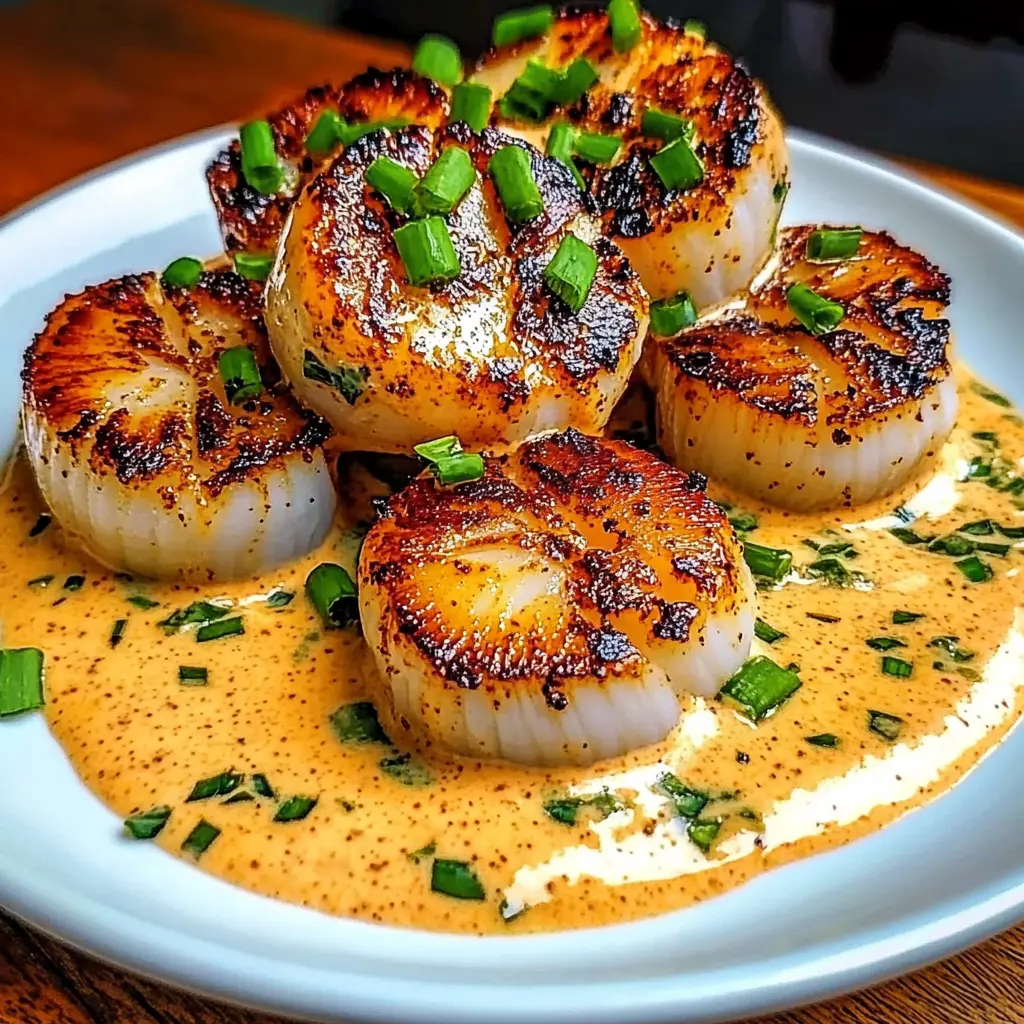
Seared scallops with spicy Cajun cream sauce transform ordinary seafood into an extraordinary culinary experience. This elegant dish combines perfectly caramelized scallops with a rich, creamy sauce infused with bold Cajun spices. Whether you’re planning a romantic dinner or want to impress guests with your cooking skills, this recipe delivers restaurant-quality results in under 30 minutes.
What Makes This Dish Special
Seared scallops with spicy Cajun cream sauce represents the perfect marriage of delicate seafood and bold flavors. The dish showcases the natural sweetness of sea scallops while the Cajun-spiced cream sauce adds depth and complexity. This combination creates a memorable meal that feels indulgent yet remains surprisingly simple to prepare.
The beauty of this recipe lies in its versatility. You can adjust the heat level to match your preferences while maintaining the sophisticated presentation. The golden-brown crust on each scallop provides textural contrast against the velvety sauce. Meanwhile, the Cajun seasoning introduces warmth without overwhelming the subtle seafood flavor.
This dish works equally well for weeknight dinners and special occasions. The quick cooking time makes it practical for busy schedules. However, the elegant presentation elevates it to celebration-worthy status.
Understanding Scallops: Types and Selection
Sea Scallops vs. Bay Scallops
Sea scallops are larger and meatier than their bay scallop counterparts. They typically measure 1.5 to 2 inches in diameter. These work best for searing because they develop a beautiful crust while remaining tender inside.
Bay scallops are smaller and sweeter. They measure about half an inch across. While delicious, they’re not ideal for this particular preparation since they cook too quickly for proper caramelization.
Dry vs. Wet Scallops
Dry scallops are untreated and natural. They sear beautifully and develop that coveted golden crust. Wet scallops have been treated with sodium tripolyphosphate, which adds water weight. This treatment prevents proper browning and creates steam instead of a sear.
Always choose dry scallops when possible. They’re labeled as “dry” or “day boat” scallops at quality seafood counters. The investment pays off in superior flavor and texture.
Freshness Indicators
Fresh scallops should smell sweet and oceanic, never fishy. They appear slightly translucent with a creamy white or light pink color. The texture should be firm and slightly springy to touch. Avoid scallops that look milky, smell off, or feel slimy.
Essential Ingredients for Success
For the Scallops
-
1.5 pounds large sea scallops (about 12-16 pieces)
-
2 tablespoons high-heat cooking oil
-
Sea salt
-
Fresh black pepper
-
2 tablespoons unsalted butter
For the Spicy Cajun Cream Sauce
-
2 tablespoons unsalted butter
-
3 cloves garlic, minced
-
2 tablespoons Cajun seasoning blend
-
1 cup heavy cream
-
½ cup seafood or chicken stock
-
1 tablespoon tomato paste
-
1 teaspoon smoked paprika
-
½ teaspoon cayenne pepper (adjust to taste)
-
¼ teaspoon dried thyme
-
2 tablespoons fresh lemon juice
-
2 tablespoons fresh parsley, chopped
-
Salt and pepper to taste
Ingredient Notes
The quality of your Cajun seasoning significantly impacts the final result. Look for blends containing paprika, garlic powder, onion powder, oregano, and various peppers. You can also make your own blend for better control over heat levels.
Heavy cream creates the luxurious sauce texture. Don’t substitute with milk or half-and-half, as they won’t provide the same richness and may separate during cooking.
Fresh garlic delivers more flavor than pre-minced alternatives. The aromatics form the foundation of your sauce’s flavor profile.
Kitchen Tools You’ll Need
Having the right equipment makes preparation easier and results more consistent. Here’s what you’ll need:
-
Large cast-iron or stainless steel skillet
-
Paper towels
-
Tongs or fish spatula
-
Medium saucepan
-
Whisk
-
Sharp knife
-
Cutting board
-
Measuring cups and spoons
-
Small bowl for patting scallops dry
Cast iron or stainless steel skillets work best for searing. They retain heat well and create excellent caramelization. Nonstick pans don’t get hot enough for proper searing and won’t develop that golden crust.
Step-by-Step Cooking Instructions
Preparing the Scallops
Remove scallops from refrigeration 15 minutes before cooking. This allows them to reach room temperature, promoting even cooking. Meanwhile, inspect each scallop for the small side muscle. This tough piece pulls off easily and should be removed before cooking.
Pat scallops thoroughly dry with paper towels. This step is crucial for achieving proper searing. Any surface moisture creates steam, preventing caramelization. Press paper towels firmly against both sides of each scallop.
Season both sides generously with salt and pepper just before cooking. Don’t season too early, as salt draws out moisture.
The Searing Process
Heat your skillet over medium-high heat for 3-4 minutes. Add cooking oil and swirl to coat the pan. The oil should shimmer but not smoke. This indicates the pan has reached optimal searing temperature.
Carefully place scallops in the pan, leaving space between each one. Overcrowding drops the pan temperature and causes steaming. Cook in batches if necessary.
Resist the urge to move or flip the scallops prematurely. Let them cook undisturbed for 2-3 minutes. They’ll naturally release from the pan when ready. The bottom should display a deep golden-brown color.
Flip each scallop using tongs or a fish spatula. Add butter to the pan and baste the scallops as it melts. Cook the second side for another 2 minutes. The scallops should feel slightly firm but not hard.
Transfer seared scallops to a plate and tent loosely with foil. They’ll continue cooking slightly from residual heat.
Making the Spicy Cajun Cream Sauce
Wipe the skillet clean if there are dark bits. Add butter and melt over medium heat. Once melted, add minced garlic and sauté for 30 seconds until fragrant. Don’t let it brown.
Stir in Cajun seasoning, smoked paprika, cayenne pepper, and dried thyme. Toast the spices for 30 seconds to release their oils and intensify flavors. The mixture will become aromatic and slightly darker.
Add tomato paste and stir to combine. Cook for one minute to remove the raw taste. The tomato paste adds depth and helps thicken the sauce.
Pour in seafood or chicken stock gradually while whisking. The liquid will deglaze the pan, picking up any flavorful bits. Let it simmer for 2 minutes to reduce slightly.
Add heavy cream slowly while whisking continuously. Bring the mixture to a gentle simmer. Reduce heat to medium-low and cook for 5-7 minutes until the sauce thickens enough to coat the back of a spoon.
Stir in fresh lemon juice and adjust seasoning with salt and pepper. The lemon brightens the rich cream and balances the heat. Taste and adjust spice levels as needed.
Remove from heat and stir in fresh chopped parsley. The herbs add freshness and color to the finished sauce.
Perfecting the Sear: Professional Techniques
Temperature Control
The pan temperature makes or breaks your sear. Too hot, and the outside burns before the inside cooks. Too cool, and you get steamed, rubbery scallops instead of caramelized perfection.
Medium-high heat works best for most stovetops. You want the oil to shimmer and move easily across the pan. A drop of water should sizzle and evaporate immediately.
The Science of Caramelization
The beautiful golden crust comes from the Maillard reaction. This chemical process occurs when proteins and sugars react under high heat. It creates complex flavors and appealing color.
Dry scallops caramelize better because excess moisture inhibits this reaction. That’s why thorough patting and room temperature scallops are essential.
Spacing and Timing
Each scallop needs its own space in the pan. When placed too close together, they steam rather than sear. Leave at least an inch between scallops.
The first side takes longer to develop color. Three minutes allows proper crust formation. The second side needs only two minutes since the scallop is already mostly cooked.
Doneness Indicators
Perfectly cooked scallops feel slightly firm with a little give in the center. They should be opaque with a barely translucent center. Overcooking makes them tough and rubbery.
Internal temperature should reach 115-120°F for medium-rare perfection. However, most home cooks judge by appearance and texture rather than temperature.
Creating the Spicy Cajun Cream Sauce
Balancing Heat and Flavor
The sauce should enhance, not overpower, the delicate scallops. Start with less cayenne pepper and add more after tasting. You can always increase heat but can’t remove it.
Different Cajun seasoning blends vary in spiciness. Some are mild while others pack serious heat. Taste your blend before adding it to understand its intensity.
Achieving Perfect Consistency
A proper cream sauce should coat the scallops without being too thick or too thin. It should flow slowly off a spoon and leave a light coating behind.
If your sauce seems too thin, simmer it longer to reduce and concentrate flavors. If it’s too thick, thin it with additional stock or cream one tablespoon at a time.
Flavor Layering
Each ingredient in the sauce serves a purpose. Garlic provides aromatic base notes. Cajun spices bring complexity and heat. Tomato paste adds umami and helps with consistency. Cream creates richness. Lemon juice cuts through the fat and brightens everything.
Building these layers sequentially allows each component to shine while creating a harmonious whole.
Serving Suggestions and Pairings
Plating Techniques
Arrange 3-4 scallops per plate in a slight arc. Spoon the spicy Cajun cream sauce around and over the scallops. Garnish with additional fresh parsley and a lemon wedge for squeezing.
The presentation should look effortless yet elegant. Clean the plate edges with a damp towel before serving for a professional appearance.
Side Dish Combinations
Several sides complement seared scallops with spicy Cajun cream sauce beautifully:
-
Creamy garlic mashed potatoes absorb the sauce perfectly
-
Rice pilaf provides a neutral base for the bold flavors
-
Roasted asparagus adds color and textural contrast
-
Sautéed green beans bring freshness to the rich dish
-
Crusty bread helps scoop up every drop of sauce
-
Cauliflower rice offers a lighter, low-carb option
-
Roasted Brussels sprouts provide earthy balance
Check out our guide on [perfect side dishes for seafood] to explore more pairing options.
Complete Meal Planning
Start with a light salad featuring mixed greens and citrus vinaigrette. The bright, acidic dressing prepares your palate for the rich main course.
For dessert, consider something light like lemon sorbet or fresh berries with whipped cream. Heavy desserts can overwhelm after the creamy sauce.
Common Mistakes to Avoid
Rushing the Dry Process
Many home cooks don’t dry their scallops thoroughly enough. This single mistake prevents proper searing more than anything else. Take your time with multiple paper towels if needed.
Overcrowding the Pan
When you add too many scallops at once, the pan temperature drops dramatically. This creates steam instead of a sear. Work in batches even if it takes longer.
Moving Scallops Too Soon
Let the scallops sit undisturbed during cooking. Constantly checking or moving them interferes with crust formation. Trust the process and wait.
Overcooking
Scallops cook quickly and continue cooking after removal from heat. Slightly undercooking is better than overdoing it. They should remain tender and slightly translucent in the center.
Using the Wrong Pan
Nonstick pans don’t get hot enough for proper searing. They’re designed to prevent sticking at lower temperatures. Invest in a good cast-iron or stainless steel skillet for searing proteins.
Incorrect Heat Levels
Both too-high and too-low heat create problems. Too high burns the outside while leaving the inside raw. Too low steams the scallops instead of searing them.
Skipping Room Temperature Step
Cold scallops straight from the refrigerator cook unevenly. The outside overcooks while the center remains cold. Always let them sit at room temperature first.
Storage and Reheating Tips
Storing Leftovers
Seared scallops with spicy Cajun cream sauce taste best when freshly prepared. However, leftovers can be stored properly for later enjoyment.
Place cooled scallops and sauce in separate airtight containers. Store in the refrigerator for up to two days. Keeping them separate prevents the scallops from becoming soggy.
Reheating Methods
Gentle reheating preserves texture better than high heat. Never use the microwave, as it makes scallops rubbery and tough.
For the sauce, reheat slowly in a small saucepan over low heat. Stir frequently and add a splash of cream if it seems too thick.
For the scallops, warm them briefly in a skillet over medium-low heat. Add a small amount of butter and cook just until warmed through, about 30 seconds per side.
Freezing Considerations
Freezing is not recommended for this dish. The cream sauce separates when frozen and thawed. Scallops become watery and lose their tender texture. This dish works best when prepared fresh.
Nutritional Information
Per Serving (4 servings total)
-
Calories: 420
-
Protein: 28g
-
Total Fat: 32g
-
Saturated Fat: 18g
-
Carbohydrates: 8g
-
Fiber: 1g
-
Sugar: 2g
-
Sodium: 780mg
-
Cholesterol: 145mg
Health Benefits
Scallops provide excellent lean protein with minimal fat. They’re rich in vitamin B12, which supports nerve function and red blood cell formation. They also contain selenium, an important antioxidant.
The dish contains omega-3 fatty acids that support heart health. These essential fats reduce inflammation and may lower cardiovascular disease risk.
Modifying for Dietary Needs
For a lighter version, substitute half-and-half for heavy cream. This reduces calories and fat while maintaining creaminess. You can also use less butter in both the searing and sauce preparation.
To reduce sodium, use low-sodium stock and go easy on added salt. Many Cajun seasoning blends contain significant sodium, so check labels.
Recipe Variations
Heat Level Adjustments
For milder taste, reduce or omit the cayenne pepper. Use a mild Cajun seasoning blend instead of spicy versions. The dish remains flavorful without overwhelming heat.
For extra spice, add diced jalapeños to the sauce. Increase cayenne pepper gradually until you reach desired heat. Some cooks add hot sauce at the end for additional kick.
Sauce Variations
Lemon Butter Variation: Skip the cream and make a simple butter sauce with lemon, garlic, and Cajun spices. This lighter version lets the scallop flavor shine through more prominently.
Tomato-Based Version: Add diced tomatoes and reduce the cream by half for a lighter, brighter sauce. This variation works well in summer months.
Coconut Cream Option: Replace heavy cream with full-fat coconut cream for a dairy-free alternative. This adds subtle sweetness that complements the Cajun spices.
Protein Substitutions
While this recipe focuses on scallops, the spicy Cajun cream sauce pairs well with other proteins:
-
Shrimp cook quickly and absorb sauce beautifully
-
White fish fillets like cod or halibut work wonderfully
-
Chicken breast creates a land-based alternative
-
Firm tofu provides a vegetarian option
Additional Ingredients
Sautéed bell peppers and onions add color and texture. Fold them into the sauce before adding cream. Sweet corn kernels bring sweetness that balances heat. Fresh spinach wilted into the sauce adds nutrients and color.
Frequently Asked Questions
How do I know when scallops are done cooking?
Perfectly cooked scallops appear opaque with a slightly translucent center. They feel firm but not hard when gently pressed. The internal temperature should reach 115-120°F. Cooking times vary by scallop size, but generally 2-3 minutes per side suffices for large sea scallops.
Can I make the sauce ahead of time?
Yes, prepare the spicy Cajun cream sauce up to two days in advance. Store it in an airtight container in the refrigerator. Reheat gently over low heat, stirring frequently. Add a splash of cream if it seems too thick after refrigeration. Sear the scallops fresh just before serving.
Why are my scallops sticking to the pan?
Scallops stick when the pan isn’t hot enough or they haven’t developed a crust yet. Ensure your pan reaches proper temperature before adding scallops. Let them cook undisturbed for the full time. They’ll naturally release when the crust forms. Using enough oil also prevents sticking.
What’s the best way to remove the side muscle from scallops?
The small rectangular muscle on the side of each scallop pulls off easily with your fingers. Simply pinch it between your thumb and forefinger and pull gently. It comes away cleanly without tools. Some scallops arrive with this muscle already removed.
Can I use frozen scallops for this recipe?
Frozen scallops can work if properly thawed and dried. Thaw them overnight in the refrigerator, never at room temperature. Pat them extremely dry before cooking, as frozen scallops retain more moisture. Fresh scallops generally provide better results for searing.
How can I tell if scallops are fresh?
Fresh scallops smell sweet and oceanic, never fishy or ammonia-like. They appear slightly translucent with creamy white or pale pink color. The texture should be firm and slightly springy. Avoid scallops that look milky, smell off, or feel slimy or mushy.
What if my sauce is too spicy?
Add more cream to dilute the heat. A tablespoon of butter also mellows spiciness. A squeeze of lemon juice brightens and balances heat. Sugar or honey in small amounts counteract spice. For future preparations, reduce cayenne pepper and use mild Cajun seasoning.
Can I double this recipe for more servings?
Yes, but sear scallops in batches to avoid overcrowding. Keep finished scallops warm in a low oven while cooking subsequent batches. Double all sauce ingredients proportionally. Use a larger saucepan for the increased sauce volume to ensure proper consistency.
Conclusion
Seared scallops with spicy Cajun cream sauce deliver restaurant-quality results right in your home kitchen. This dish combines perfectly caramelized seafood with a rich, flavorful sauce that impresses every time. The key to success lies in proper scallop preparation, maintaining correct cooking temperatures, and building sauce flavors thoughtfully.
Remember to dry your scallops thoroughly, resist moving them during cooking, and balance the sauce heat to your preference. With these techniques mastered, you’ll create a stunning dish that looks as impressive as it tastes. The combination of tender scallops and bold Cajun flavors creates a memorable meal worthy of any special occasion.
Ready to elevate your seafood game? Gather your ingredients and start cooking this spectacular dish tonight. Your taste buds will thank you for the bold flavors and luxurious textures.
Seared Scallops with Spicy Cajun Cream Sauce
Description
Seared Scallops with Spicy Cajun Cream Sauce
Ingredients
Scallops
• 1 lb large sea scallops, patted dry
• Salt & pepper to taste
• 2 tbsp olive oil
• 1 tbsp butter
Spicy Cajun Cream Sauce
• 2 tbsp butter
• 2 cloves garlic, minced
• 1 tsp Cajun seasoning (adjust to taste)
• 1 cup heavy cream
• ½ cup grated Parmesan cheese
• 1 tsp smoked paprika
• 1 tsp lemon juice
• Optional garnish: chopped parsley, lemon wedges
Instructions
-
Prep Scallops: Pat scallops dry and season both sides with salt and pepper.
-
Sear Scallops: Heat olive oil in a skillet over high heat. Add scallops and sear 2–3 minutes per side until golden brown. Remove and set aside.
-
Make Sauce: In the same skillet, melt butter. Sauté garlic for 30 seconds. Add Cajun seasoning, smoked paprika, and heavy cream. Stir in Parmesan and simmer until slightly thickened.
-
Stir in lemon juice and adjust seasoning.
-
Serve: Plate scallops and drizzle generously with spicy Cajun cream sauce. Garnish with parsley and lemon wedges.