
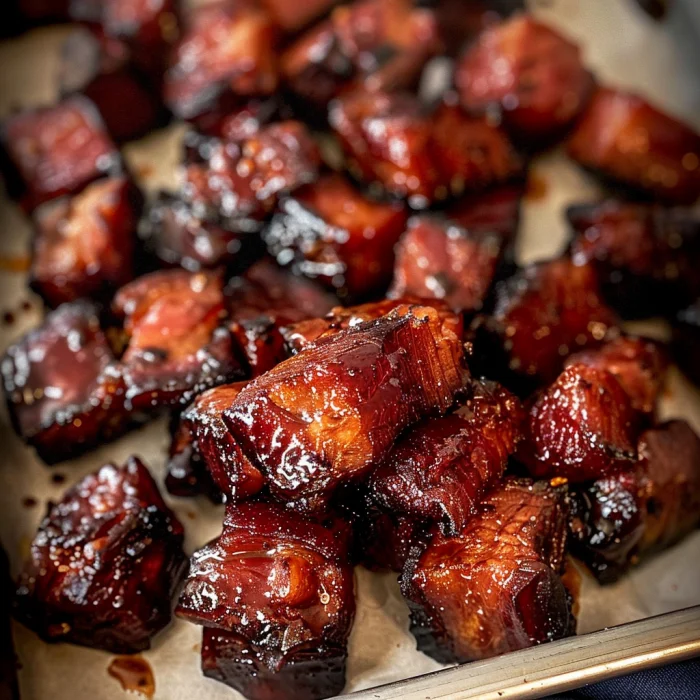
The Ultimate Guide to Smoked Pork Belly Burnt Ends: How to Make BBQ Meat Candy
Welcome to the world of BBQ meat candy, a place where humble pork belly undergoes a magical transformation into the most decadent, flavorful, and downright addictive bite you’ll ever pull off your smoker. This isn’t just another recipe; oh no, it’s a journey into the heart of what makes low-and-slow barbecue so profoundly rewarding. Consequently, we’re about to dive deep into the art and science of creating perfect smoked pork belly burnt ends. Moreover, we’ll cover everything from selecting the right slab to mastering the smoke, ensuring your results are nothing short of spectacular. Therefore, get ready to impress your friends, delight your family, and earn your stripes as a true pitmaster. Let’s get started.
What Are Smoked Pork Belly Burnt Ends?
Frankly, if you haven’t had the pleasure, your barbecue life is missing a crucial chapter. Traditionally, burnt ends were the glorious, barky, twice-smoked chunks cut from the point of a beef brisket—a Kansas City delicacy. However, in a brilliant twist of BBQ innovation, pitmasters began applying the same low-and-slow principle to a different cut: pork belly. The result? Absolute magic.
Essentially, these burnt ends are cubes of rich pork belly that are first smoked to build a gorgeous bark, then braised in a sweet and savory sauce until they become unbelievably tender. Finally, they’re glazed and caramelized for a sticky, finger-licking finish. The term “burnt” is actually a misnomer; it refers to the dark, caramelized crust, not to any actual charring. In fact, the interior remains so juicy and succulent that one bite will make you an instant believer. This evolution from beef to pork has created a dish that is both a tribute to tradition and a exciting new frontier in American barbecue.
From Beef to Pork: A Delicious Evolution
This delicious evolution speaks to the creative spirit of barbecue. While brisket burnt ends are iconic, they require committing an entire large brisket to the process. Pork belly burnt ends, on the other hand, offer a more accessible, and some would argue even more flavorful, path to nirvana. The higher fat content of the belly renders down during the cooking process, basting the meat from within and creating an unparalleled richness that simply melts in your mouth.
Why This Recipe is a Must-Try for Any BBQ Enthusiast
So, why should you drop everything and make this recipe? Well, the reasons are as plentiful as the flavors in these juicy cubes.
First and foremost, the payoff is enormous. For a relatively straightforward process, the results taste like you’ve been slaving over a hot smoker for days. They are the ultimate crowd-pleaser. Imagine bringing a tray of these glistening, tender morsels to a potluck or game day gathering—they’ll disappear in minutes, and you’ll be hailed as a hero. Furthermore, their versatility is a huge plus. They can star as a mind-blowing appetizer, form the centerpiece of a main course, or simply be the best thing on a loaded BBQ platter.
Ultimately, mastering pork belly burnt ends is a rite of passage. It teaches you critical smoking techniques: managing temperature, building bark, and the transformative power of the braise. Consequently, the skills you learn here will make you a better pitmaster across all your barbecue projects. Believe me, this is one culinary adventure you don’t want to miss.
Selecting and Preparing Your Pork Belly
Alright, let’s get down to business! Every masterpiece begins with the right canvas, and for us, that’s a beautiful slab of pork belly. Now, don’t just grab the first one you see; a little knowledge here goes a long way.
How to Choose the Best Pork Belly
You’re looking for a fresh, skinless pork belly with a gorgeous balance of meat and fat. Ideally, you want a ratio close to 50/50. Why? Well, the fat is what renders down and creates that incredible juicy and tender texture we’re after. However, too little meat and you’re just eating chunks of fat (which, let’s be honest, isn’t for everyone).
Speaking of source, you can certainly find belly at most large grocery stores these days. But for a truly next-level experience, consider visiting a local butcher. Butchers often have access to higher-quality, heritage-breed pork, which can have far superior flavor and texture. Honestly, the difference can be astounding.
Trimming and Cubing: The First Crucial Step
Now, onto the prep work. Unwrap your belly and pat it dry with paper towels. Your mission is to create a uniform rectangle. Therefore, grab a sharp boning or chef’s knife and trim off any jagged edges or pieces that seem excessively hard or leathery.
Next, the fun part: cubing! Slice the belly into strips about 1.5 to 2 inches wide, then turn those strips and cut them into perfect little cubes. Pro Tip: A sharp, sturdy knife is non-negotiable here; it will glide through the fat and meat cleanly, making the job easy and safe. Uniformity is absolutely key—it ensures every single piece cooks at the same rate. Otherwise, you’ll end up with some overcooked nuggets and some undercooked ones. And nobody wants that.
Crafting the Flavor Profile: Rubs and Binders
With our cubes ready, it’s time to build flavor from the outside in. This step is all about creating that legendary bark—the flavorful, slightly crispy crust that forms on the outside of the meat.
The Role of a Good Binder (Mustard, Oil, or Hot Sauce)
First up, the binder. Now, don’t overthink this; its job is simple. A binder is just a sticky substance that helps the dry rub adhere to the meat’s surface. Contrary to popular belief, you won’t taste it in the final product. It’s all about function, not flavor.
Your options are simple:
-
Yellow Mustard: The classic, all-American choice. It provides a perfect, tacky layer.
-
Olive Oil: A great neutral option that works every single time.
-
Hot Sauce: Want a subtle, underlying kick? A vinegar-based hot sauce like Frank’s RedHot is a fantastic choice.
Simply put your cubes in a large bowl, add a small amount of your chosen binder, and toss them gently until every surface is lightly coated. You’re not drowning them; you’re just giving the rub something to grip onto.
Classic BBQ Rub Recipes for Pork Belly Burnt Ends
Ah, the rub—where the magic really begins. For pork belly, you want a rub that balances sweet, savory, and spicy notes to complement its inherent richness. You can absolutely use a high-quality store-bought BBQ rub. However, making your own is simple and incredibly rewarding.
Here’s a dead-simple, absolutely killer recipe to get you started:
The “Meat Candy” Basic Rub
-
1/2 cup Brown Sugar (packed)
-
2 tbsp Smoked Paprika
-
1 tbsp Coarse Black Pepper
-
1 tbsp Kosher Salt
-
1 tbsp Garlic Powder
-
1 tbsp Onion Powder
-
1 tsp Chili Powder (or cayenne for more heat)
Mix everything together in a bowl. Now, generously coat every single side of every single pork belly cube. Don’t be shy! Pack it on there. This layer is what will form your incredible bark. Once they’re all thoroughly seasoned, you’re ready for the smoker.
Fire and Smoke: Mastering the Cook
This is it—the main event. Fire up your smoker and let’s create some magic. If you’re new to this, don’t fret; the process is surprisingly simple if you focus on a few key details.
Preparing Your Smoker for the Perfect Cook
Consistency is the name of the game here. You want to preheat your smoker to a steady 250°F to 275°F (120°C to 135°C). This temperature range is the sweet spot: it’s hot enough to render the fat effectively but low enough to slowly break down collagen without burning the sugar in your rub.
Now, for the smoke flavor. Choosing your wood is a personal journey, but some woods are better friends with pork than others. Fruitwoods like apple or cherry are magnificent—they provide a mild, slightly sweet smoke that won’t overpower the meat. Pecan is another winner, offering a rich, nutty flavor. If you want something stronger, hickory is a classic BBQ wood that pairs perfectly with pork. Feel free to experiment with blends!
The Smoking Process: Low and Slow
Once your smoker is chugging along at a steady temp and producing that beautiful thin blue smoke, it’s go-time. Place your seasoned pork belly cubes directly on the grate. Make sure to leave a little space between each one so the smoke and heat can circulate freely around them.
Now, close the lid and walk away! Well, not entirely. You should still monitor your chamber temperature. But resist the urge to open the lid constantly. Every time you do, you let out heat and smoke, extending the cooking time. Let the smoker do its thing for about 2.5 to 3 hours.
You’re waiting for two key signs:
-
The bark has set and turned a beautiful, deep mahogany red color.
-
The internal temperature of the cubes hits somewhere between 165°F and 175°F (74°C and 79°C).
This is the end of the first act. The smoke has done its job, and it’s time for phase two.
The Braising Phase: Transforming Tough Fat into Tenderness
Here’s the secret step that turns good burnt ends into legendary, fall-apart-tender meat candy. This braising phase is non-negotiable. It’s what ensures every single bite is succulent and not chewy.
When and How to Wrap Your Burnt Ends
When your cubes hit that target internal temp and have a gorgeous color, carefully remove them from the smoker. Now, grab a disposable aluminum pan or a deep oven-safe dish. Transfer all the cubes into this pan—it’s okay to crowd them now.
This is where we add moisture and more flavor. Dot the top of the pork belly with a few tablespoons of unsalted butter. Then, drizzle on about a half cup of honey or pure maple syrup. Next, sprinkle a handful of brown sugar over everything. Finally, pour in about a cup of your favorite BBQ sauce or even some apple juice. Now, cover the pan tightly with heavy-duty aluminum foil. This sealed environment is what will braise the meat to perfection.
Finishing the Cook Until Probe-Tender
Place the tightly covered pan back into your smoker (or into an oven set to the same temperature if you’re running out of space or fuel). Let it cook for another 1.5 to 2 hours.
You are now cooking to feel, not to temperature. After about 90 minutes, open the foil carefully (watch the steam!) and poke a cube with a thermometer probe or a fork. You are looking for probe-tenderperfection. The probe should slide into the fat and meat with little to no resistance, like pushing a stick into soft butter. If it feels at all tough or rubbery, let it keep cooking. They will typically be perfectly tender between 200°F and 205°F (93°C and 96°C). This slow, wet heat is what finally breaks down all the tough connective tissue, transforming it into gelatinous, juicy goodness.
The Final Glaze and Caramelization
You’re in the home stretch! This final step is all about creating that sticky, caramelized glaze that makes these things so irresistible.
Carefully remove the pan from the smoker and uncover it. Be warned—the smell will be incredible. You’ll notice a lot of liquid in the pan; that’s all the rendered fat, butter, and sauce. Using a ladle or a large spoon, carefully remove about half of this liquid. (Save it! This liquid gold is amazing for cooking beans or potatoes.)
Now, gently toss the burnt ends in the remaining juices left in the pan. Add another generous glug of your favorite BBQ sauce and toss again to coat every piece evenly.
Unwrapped and Back on the Smoker
For the final act, you have two choices:
-
Spread the sauced burnt ends back out onto the smoker grate.
-
Or, simply leave them in the now-uncovered pan.
Place them back in the smoker for 20-30 minutes. This allows the sauce to thicken, set, and caramelize onto the outside of the meat. Keep an eye on them to ensure the sugar in the sauce doesn’t burn. And just like that, they’re done!
Resting and Serving Your Masterpiece
I know, I know—you want to eat them immediately. But trust me on this one: patience is a virtue, even now.
The Importance of Resting
Let the burnt ends rest for about 10-15 minutes after taking them off the heat. This allows the frantic, boiling juices inside the meat to relax and redistribute. If you bite into them straight away, those delicious juices will just run out onto the plate. Resting ensures every bite is maximally moist and flavorful.
How to Serve Smoked Pork Belly Burnt Ends
Now, for the grand finale: serving. You can pile them high on a platter, serve them straight from the pan, or for a fun, authentic touch, use cardboard barbecue boats.
Garnish them with a sprinkle of chopped fresh parsley or cilantro for a pop of color and freshness. For a bit of heat, add some sliced jalapeños on top.
What to serve alongside? You need sides that can cut through the richness. Creamy coleslaw is an absolute must. Other fantastic options include mac and cheese, baked beans, or a simple slice of cornbread. A tangy, pickled onion salad would also work wonders to balance the fat.
Expert Tips and Common Mistakes to Avoid
Even with a great recipe, a few pro tips can make the difference between good and great.
-
Tip 1: Don’t Skip the Braise. This is the most common mistake. Smoking alone won’t make them tender. The braising step is crucial for rendering the fat.
-
Tip 2: Trust Your Thermometer. Don’t guess the internal temperature. Use a reliable digital probe thermometer. It’s your most important tool.
-
Mistake 1: Cubes Too Small. If you cut them too small, they’ll shrink dramatically and can easily dry out. Stick to 1.5-2 inches.
-
Mistake 2: Saucing Too Early. Adding sugar-based sauces at the beginning of the cook guarantees they will burn. Only sauce at the very end.
Delicious Flavor Variations to Try
Once you’ve mastered the classic, the world is your oyster!
-
Spicy Chipotle: Use a chipotle powder in your rub and a spicy, chipotle-infused BBQ sauce for the glaze.
-
Asian-Inspired: Swap the rub for a blend of five-spice powder, white pepper, and ginger. For the braising liquid, use a mix of hoisin sauce, soy sauce, and a touch of honey.
-
Maple Bourbon: Use a brown sugar and black pepper rub. For the braise, use a mix of butter, real maple syrup, and a tablespoon of bourbon barrel syrup.
Storing and Reheating Your Leftovers
If you somehow have leftovers, they store beautifully. Let them cool completely, then place them in an airtight container in the refrigerator. They’ll keep for up to 4 days.
Reheating: Do NOT use the microwave! It will make them rubbery. Instead, reheat them gently in a covered oven-safe dish at 300°F (150°C) until warmed through. You can also toss them in a skillet over low heat with a tiny splash of water to steam them back to life.
Frequently Asked Questions (FAQs)
What is the difference between pork belly burnt ends and brisket burnt ends?
The difference is all in the cut! Brisket burnt ends come from the point muscle of a beef brisket. They are inherently meaty with pockets of fat. Pork belly burnt ends are made from the pork belly, which is where bacon comes from. Consequently, they are much richer, fattier, and ultimately more tender and uniform in texture after cooking. Both are delicious but offer distinctly different experiences.
Why were my pork belly burnt ends tough?
Toughness is almost always a sign of undercooking. Pork belly is loaded with collagen that needs enough time and heat to break down into gelatin. If they’re tough, they likely didn’t spend enough time in the braising phase and didn’t get up to that probe-tender stage of 200°F+. Next time, just let them cook longer until that probe slides in with no resistance.
Can I make pork belly burnt ends in the oven?
Absolutely, you can! The process is identical. Follow all the same steps: season the cubes, place them on a rack over a baking sheet, and cook at 275°F (135°C) for the first 2.5-3 hours. Then, transfer them to a pan with the braising ingredients, cover with foil, and continue cooking until tender. Finally, uncover, sauce, and return to the oven for 20-30 minutes to caramelize. You’ll miss the smoky flavor, but the texture and sweetness will still be fantastic.
How long does it take to smoke pork belly burnt ends?
The total time is usually between 5 to 6 hours, but always cook to tenderness, not time. The process breaks down into three parts:
-
Initial Smoke: ~3 hours to get color and smoke.
-
Braising Phase: ~1.5-2 hours to get tender.
-
Glazing Phase: ~20-30 minutes to set the sauce.
Your specific smoker, the weather, and the size of your cubes will affect the time, so use the internal temperature and the “probe-tender” test as your true guides.
Smoked Pork Belly Burnt Ends
Description
🔥🥓 Smoked Pork Belly Burnt Ends
Ingredients:
-
4–5 lbs pork belly, skin removed, cut into 1 ½-inch cubes
-
¼ cup yellow mustard (binder)
-
½ cup BBQ dry rub (your favorite pork rub)
-
1 cup BBQ sauce
-
½ cup honey
-
½ cup brown sugar
-
4 tbsp unsalted butter, sliced
Instructions:
-
Prep pork belly: Pat pork belly dry. Toss cubes with mustard, then coat generously with BBQ rub.
-
Smoke (Phase 1): Place cubes on a wire rack or directly on the smoker grates. Smoke at 250°F (120°C) for 2 ½–3 hours until a dark bark forms.
-
Wrap & braise (Phase 2): Transfer pork belly cubes to a disposable aluminum pan. Add butter, honey, and brown sugar. Cover tightly with foil and return to smoker for 1 ½–2 hours, until tender and jiggly.
-
Sauce & finish (Phase 3): Drain excess liquid from the pan. Toss pork belly with BBQ sauce. Return to smoker uncovered for 20–30 minutes to caramelize and set the glaze.
-
Serve: Remove from smoker, let rest 10 minutes, and enjoy those juicy, sticky bites!