
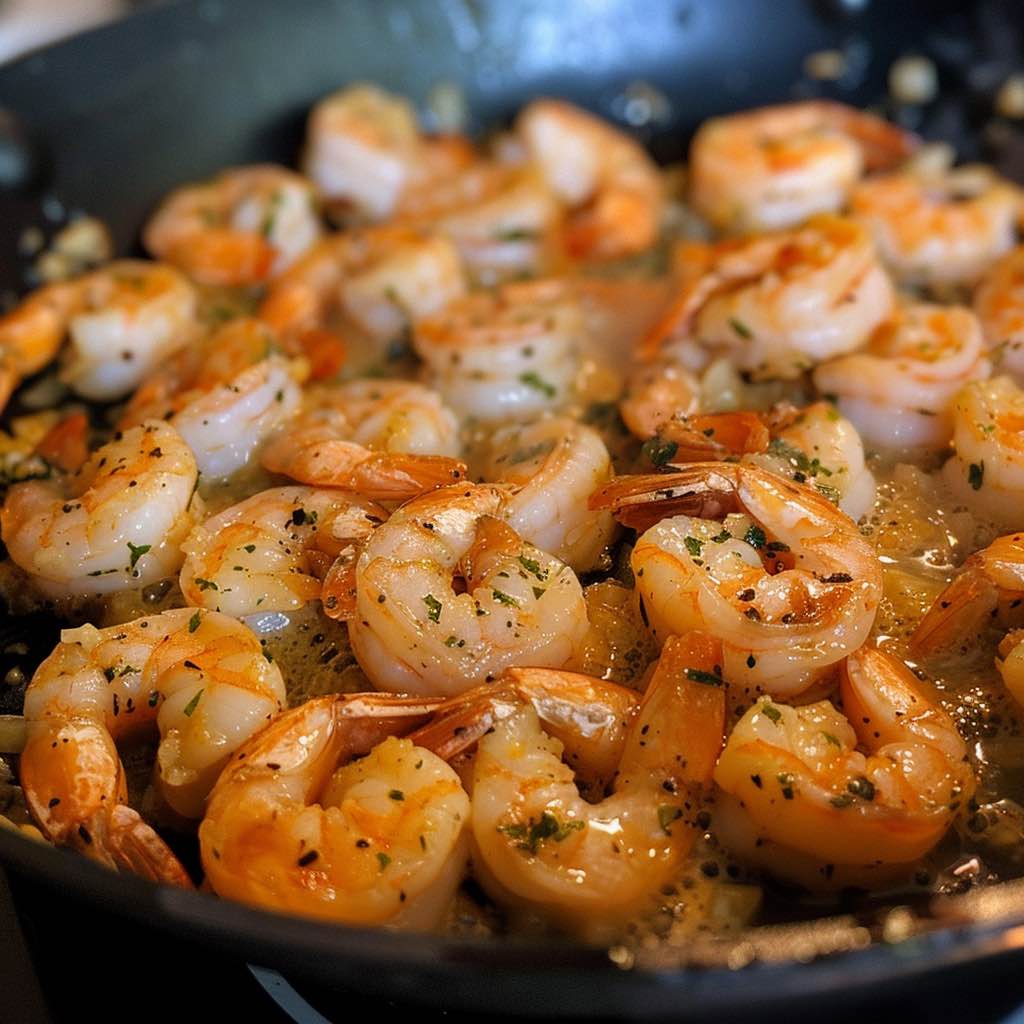
Succulent Shrimp with Garlic Butter Sauce
Nothing compares to the aroma of succulent shrimp with garlic butter sauce sizzling in a hot pan. This restaurant-quality dish combines plump, juicy shrimp with a rich, aromatic garlic butter that creates an unforgettable meal in just minutes. Whether you’re planning a weeknight dinner or impressing guests at a special gathering, this easy-to-follow recipe delivers maximum flavor with minimal effort.
Why This Garlic Butter Shrimp Recipe Works
This garlic butter shrimp recipe succeeds because it balances simplicity with sophisticated flavors. The technique involves quickly searing shrimp at high heat, which creates a beautiful golden exterior while keeping the inside tender and juicy.
The garlic butter sauce acts as both a cooking medium and a flavor enhancer. Fresh garlic releases its aromatic compounds when heated in butter, creating a sauce that perfectly coats each shrimp. Additionally, the natural sweetness of quality shrimp pairs beautifully with the savory, slightly nutty notes of browned butter.
This dish also works exceptionally well for various occasions. You can prepare it as an elegant appetizer, toss it with pasta, or serve it over rice for a complete meal. The versatility makes it a valuable addition to your cooking repertoire.
Essential Ingredients for Perfect Shrimp
Choosing the Right Shrimp
Selecting quality shrimp makes all the difference in this recipe. Look for shrimp that are firm, translucent, and have a mild ocean smell. Avoid any with black spots, yellowing, or strong fishy odors.
Size matters for this preparation:
-
Large shrimp (21-25 count per pound) work best
-
Extra-large (16-20 count) offer impressive presentation
-
Jumbo shrimp (10-15 count) create a truly luxurious dish
Fresh shrimp deliver superior flavor and texture. However, high-quality frozen shrimp work wonderfully when thawed properly. Most “fresh” shrimp at markets were previously frozen anyway, so don’t hesitate to buy frozen if it looks better.
The Butter Component
Unsalted butter gives you complete control over the dish’s saltiness. European-style butter, with its higher fat content, creates an even richer sauce. You’ll need approximately 6 tablespoons for one pound of shrimp.
Some cooks prefer clarified butter for its higher smoke point. This prevents the milk solids from burning during high-heat cooking. However, regular butter works perfectly fine if you monitor the temperature carefully.
Garlic Selection and Preparation
Fresh garlic cloves are non-negotiable for this recipe. Pre-minced garlic from jars lacks the vibrant flavor and aroma that fresh garlic provides. Plan on using 4-6 large cloves for a pronounced garlic presence.
Mincing garlic properly ensures even distribution throughout the sauce. Cut the cloves into uniform, small pieces. This allows them to cook evenly and release maximum flavor without burning.
Supporting Ingredients
Fresh lemon juice brightens the rich butter sauce and complements the shrimp’s natural sweetness. One large lemon typically provides enough juice for the recipe. Additionally, lemon zest adds extra citrus aromatics.
High-quality sea salt and freshly ground black pepper enhance all the other flavors. A pinch of red pepper flakes adds gentle heat without overwhelming the dish. Fresh parsley provides color, freshness, and a mild herbaceous note.
Kitchen Tools You’ll Need
Cookware Essentials
A large skillet or sauté pan is crucial for making succulent shrimp with garlic butter sauce. Choose one that’s at least 12 inches in diameter. This size allows shrimp to cook without crowding, which ensures proper searing.
Stainless steel or cast iron pans work best. These materials conduct heat evenly and can handle high temperatures without warping. Non-stick pans are acceptable but may not achieve the same level of browning.
Preparation Tools
Sharp kitchen knives make preparing ingredients quick and safe. You’ll need one for mincing garlic and chopping herbs. A microplane or zester efficiently removes lemon zest without the bitter white pith.
Kitchen tongs or a slotted spoon help flip shrimp without breaking them. A wooden spoon works well for stirring the garlic in butter. These simple tools make the cooking process smoother and more enjoyable.
Step-by-Step Cooking Instructions
Preparing the Shrimp
Start by properly thawing frozen shrimp if using them. Place shrimp in the refrigerator overnight for best results. For quicker thawing, seal them in a bag and submerge in cold water for 15-20 minutes.
Preparation steps:
-
Remove shells, leaving tails on for presentation (optional)
-
Devein shrimp by making a shallow cut along the back
-
Rinse under cold water and pat completely dry
-
Season lightly with salt and pepper
Dry shrimp are essential for achieving a nice sear. Excess moisture creates steam instead of the desirable caramelization. Use paper towels to thoroughly pat each shrimp dry before cooking.
Creating the Garlic Butter Base
Heat your skillet over medium-high heat. Add half the butter and let it melt completely. The butter should foam and sizzle but not smoke or turn brown immediately.
Add minced garlic to the melted butter. Cook for 30-45 seconds, stirring constantly. The garlic should become fragrant and lightly golden. Watch carefully, as garlic burns quickly and becomes bitter.
Cooking the Shrimp
Place shrimp in the pan in a single layer. Avoid overcrowding, which causes steaming instead of searing. Cook in batches if necessary to maintain proper spacing.
Cook shrimp for 2-3 minutes on the first side. They should develop a golden-pink color. Flip each shrimp using tongs and cook for another 1-2 minutes. Shrimp are done when they turn opaque and form a C-shape.
Remove cooked shrimp to a plate. Add remaining butter to the pan along with lemon juice and any accumulated juices from the plate. Swirl the pan to create a cohesive sauce. Return shrimp to the pan and toss to coat thoroughly.
Final Touches
Add fresh chopped parsley and additional lemon zest if desired. Toss everything together for 30 seconds. The residual heat will warm the herbs and release their aromatic oils.
Taste the sauce and adjust seasoning. Add more salt, pepper, or lemon juice according to your preference. Transfer immediately to serving dishes while still hot.
Pro Tips for Restaurant-Quality Results
Temperature Control Mastery
Proper heat management separates good garlic butter shrimp from exceptional ones. The pan should be hot enough to sear but not so hot that butter burns. Test by adding a drop of water—it should sizzle immediately.
If butter starts browning too quickly, reduce heat slightly. Brown butter adds nutty flavor, but black butter tastes burnt and ruins the dish. Monitor constantly during garlic cooking, as this stage requires the most attention.
Timing Perfection
Shrimp cook incredibly fast. Overcooking makes them rubbery and tough. Set a timer and watch carefully. The moment they turn opaque throughout, remove them from heat.
Carryover cooking continues after removing shrimp from the pan. They’ll finish cooking in the residual heat while you prepare the final sauce. This technique prevents overcooking while ensuring food safety.
Flavor Enhancement Techniques
Consider these upgrades:
-
Add a tablespoon of chicken or seafood stock for more depth
-
Include fresh thyme or oregano alongside parsley
-
Incorporate a touch of Dijon mustard for complexity
-
Finish with a pat of cold butter for extra richness
Each addition should complement rather than overpower the garlic butter foundation. Start with small amounts and adjust to taste. The goal is enhancement, not transformation.
Presentation Matters
Serve succulent shrimp with garlic butter sauce immediately for best results. The butter sauce should be glossy and coat each shrimp evenly. Arrange shrimp attractively on plates or in shallow bowls.
Garnish generously with fresh parsley and lemon wedges. A light dusting of red pepper flakes adds visual appeal and hints at gentle heat. Serve with crusty bread for soaking up the delicious sauce.
Nutritional Benefits of Shrimp
Protein Powerhouse
Shrimp provides exceptional protein content with minimal calories. A 3-ounce serving delivers approximately 20 grams of protein. This makes it an excellent choice for those focusing on protein intake.
The protein in shrimp contains all essential amino acids. Your body uses these building blocks for muscle repair, immune function, and countless other processes. Additionally, shrimp protein is highly digestible and easily absorbed.
Essential Nutrients
Shrimp contains impressive amounts of selenium, a powerful antioxidant. This mineral supports thyroid function and immune health. One serving provides more than 40% of the daily recommended intake.
Other beneficial nutrients include:
-
Vitamin B12 for energy and nerve function
-
Phosphorus for strong bones and teeth
-
Iron for oxygen transport throughout the body
-
Zinc for immune support and wound healing
These nutrients work synergistically to support overall health. Regular consumption as part of a balanced diet offers numerous benefits.
Omega-3 Fatty Acids
While not as high as salmon, shrimp still provides beneficial omega-3 fatty acids. These healthy fats support heart health and brain function. They also help reduce inflammation throughout the body.
The American Heart Association recommends eating seafood at least twice weekly. Dishes like garlic butter shrimp help you meet this guideline deliciously. The combination of protein, nutrients, and healthy fats makes it a nutritious choice.
Mindful Preparation
While shrimp itself is nutritious, preparation methods affect overall healthfulness. This garlic butter version uses butter generously, adding richness and calories. Consider this when planning your meal.
For a lighter version, reduce butter slightly and add more lemon juice. You can also increase vegetables served alongside the shrimp. Balance and moderation allow you to enjoy this dish while maintaining healthy eating habits.
Serving Suggestions and Pairings
Pasta Combinations
Tossing garlic butter shrimp with pasta creates a complete, satisfying meal. Linguine, fettuccine, or angel hair pasta work beautifully. The long, thin strands catch the butter sauce perfectly.
Cook pasta al dente according to package directions. Reserve one cup of pasta water before draining. Toss hot pasta with shrimp and sauce, adding pasta water gradually to achieve desired consistency. The starchy water helps sauce cling to noodles.
Check out our guide on [perfect pasta cooking techniques] for more tips.
Rice and Grain Options
Serve succulent shrimp with garlic butter sauce over fluffy white rice for a classic presentation. The rice absorbs the flavorful sauce while providing a neutral base. Jasmine or basmati rice add subtle aromatic qualities.
Other excellent grain options include:
-
Cauliflower rice for a low-carb alternative
-
Quinoa for added protein and nutrients
-
Risotto for an indulgent Italian-inspired meal
-
Wild rice blend for nutty, complex flavors
Vegetable Accompaniments
Fresh, crisp vegetables balance the rich butter sauce beautifully. Steamed asparagus, roasted broccoli, or sautéed green beans complement the shrimp perfectly. Their natural flavors don’t compete with the garlic butter.
A simple arugula salad with lemon vinaigrette offers refreshing contrast. The peppery greens cut through richness while the citrus echoes the lemon in the dish. Toss the salad just before serving for best texture.
Bread for Sauce Sopping
Crusty bread is essential for enjoying every drop of garlic butter sauce. French baguette, ciabatta, or sourdough work wonderfully. Toast bread slices lightly for added texture and warmth.
Garlic bread might seem redundant but actually enhances the experience. The doubled garlic flavor creates a harmonious theme throughout the meal. Alternatively, plain bread allows the shrimp’s garlic butter to shine alone.
Storage and Reheating Guidelines
Proper Storage Methods
Cool leftover shrimp to room temperature within two hours of cooking. Transfer to an airtight container and refrigerate promptly. Properly stored, garlic butter shrimp keeps for 2-3 days.
Store sauce separately if possible. This prevents shrimp from sitting in butter, which can affect texture. Keep sauce in a small container and combine when reheating. Label containers with the date for easy tracking.
Reheating Techniques
Gentle reheating preserves shrimp’s tender texture. Aggressive heat makes them rubbery and tough. Take your time and use low temperatures for best results.
Stovetop method (recommended):
-
Heat sauce in a skillet over low heat
-
Add shrimp when sauce is warm
-
Stir gently for 2-3 minutes until heated through
-
Remove immediately to prevent overcooking
Microwave reheating works in a pinch. Use 50% power and heat in 30-second intervals. Stir between intervals and check temperature frequently. Stop heating as soon as shrimp are warm.
Freezing Considerations
Freezing cooked shrimp changes their texture somewhat. They become slightly softer and less springy. However, freezing works acceptably for meal prep purposes.
Cool completely before freezing. Place in freezer-safe containers or bags, removing as much air as possible. Freeze for up to three months. Thaw overnight in the refrigerator before reheating.
The garlic butter sauce freezes well separately. Portion into ice cube trays for convenient single servings. Pop out frozen cubes and store in freezer bags. This allows you to make quick garlic butter shrimp anytime.
Common Mistakes to Avoid
Overcrowding the Pan
Placing too many shrimp in the pan at once prevents proper searing. Shrimp release moisture when heated. If crowded, this moisture accumulates and causes steaming instead of browning.
Leave space between each shrimp when cooking. They shouldn’t touch each other. Cook in multiple batches if necessary. The extra time is worthwhile for superior texture and appearance.
Using Wet Shrimp
Moisture is the enemy of good searing. Wet shrimp won’t brown properly regardless of cooking technique. They’ll steam in their own liquid and turn out pale and rubbery.
Always pat shrimp completely dry before cooking. Use multiple paper towels if needed. Even seemingly dry shrimp often have hidden moisture. This simple step dramatically improves results.
Burning the Garlic
Burnt garlic tastes bitter and ruins the entire dish. Garlic burns quickly because its small pieces cook faster than other ingredients. Constant attention during this step is crucial.
Add garlic to medium-hot butter, not screaming-hot. Stir constantly and remove from heat the moment it turns golden. If garlic darkens too much, discard it and start fresh. The few seconds saved aren’t worth ruining the dish.
Overcooking Shrimp
Rubbery, tough shrimp result from cooking too long. Shrimp cook extremely quickly—usually 4-5 minutes total. Once they turn opaque and pink, they’re done.
Watch for the classic C-shape. Properly cooked shrimp curl into a loose C. Overcooked shrimp curl tightly into an O-shape. Remove them at the C-stage for perfect texture every time.
Underseasoning
Bland garlic butter shrimp disappoints despite proper cooking technique. Salt enhances all the other flavors in the dish. Don’t be shy with seasoning.
Season shrimp before cooking and taste sauce before serving. Adjust as needed with salt, pepper, and lemon juice. Proper seasoning transforms good shrimp into exceptional ones.
Recipe Variations to Try
Spicy Garlic Butter Shrimp
Add heat to your succulent shrimp with garlic butter sauce for those who love spice. Increase red pepper flakes to 1/2-1 teaspoon. Alternatively, add fresh jalapeño or serrano peppers with the garlic.
Cayenne pepper provides pure heat without additional texture. Start with 1/4 teaspoon and adjust upward. Hot sauce added at the end allows diners to customize heat levels individually.
Mediterranean Style
Transform this dish with Mediterranean flavors. Add sun-dried tomatoes, kalamata olives, and fresh basil. Cherry tomatoes halved and added during cooking provide juicy bursts of flavor.
A splash of balsamic vinegar creates sweet-tangy complexity. Capers contribute briny, bright notes. Finish with crumbled feta cheese for creamy, salty richness.
Asian-Inspired Version
Create an Asian fusion by adding ginger with the garlic. Use sesame oil in place of half the butter. Soy sauce, rice vinegar, and a touch of honey create an umami-rich sauce.
Top finished shrimp with sliced scallions and toasted sesame seeds. Serve over rice noodles or jasmine rice. This variation offers completely different flavors while maintaining the quick-cooking technique.
Herb-Forward Preparation
Maximize fresh herb flavors for a garden-fresh variation. Add fresh basil, cilantro, and dill alongside parsley. Each herb contributes unique aromatic qualities.
Fresh tarragon pairs exceptionally well with seafood. Its subtle anise-like flavor complements shrimp beautifully. Use herbs generously for a verdant, aromatic dish.
Creamy Garlic Butter
Add heavy cream to create a luxurious sauce. After cooking shrimp, add 1/2 cup cream to the pan. Simmer for 2-3 minutes until slightly thickened. The cream mellows garlic intensity while creating silky richness.
Cream cheese or mascarpone offer another approach. Add small amounts gradually, stirring until melted. These create thicker, more substantial sauces perfect for serving over pasta.
Frequently Asked Questions
How do I know when succulent shrimp with garlic butter sauce are perfectly cooked?
Properly cooked shrimp turn opaque throughout and curl into a loose C-shape. The flesh should be firm but still tender when pressed gently. Cooking time varies based on shrimp size but typically takes 4-5 minutes total. Insert an instant-read thermometer into the thickest part—shrimp are done at 120°F. Remove them immediately to prevent overcooking from residual heat.
Can I make this recipe with frozen shrimp?
Yes, frozen shrimp work excellently for this recipe. Thaw them properly first by placing in the refrigerator overnight. For faster thawing, seal shrimp in a bag and submerge in cold water for 15-20 minutes. Never thaw at room temperature or in hot water, as this affects texture and food safety. Pat thawed shrimp completely dry before cooking for best searing results.
What’s the best type of butter for garlic butter shrimp?
Unsalted butter provides the best control over seasoning levels. European-style butter, with approximately 82% butterfat versus standard 80%, creates a richer, more luxurious sauce. Some cooks prefer clarified butter for its higher smoke point, which prevents burning during high-heat cooking. However, regular unsalted butter works perfectly well when you monitor temperature carefully and avoid excessive heat.
How can I prevent garlic from burning?
Control heat carefully when cooking garlic. Add minced garlic to medium-hot butter, not screaming-hot. Stir constantly and cook for only 30-45 seconds until fragrant and lightly golden. Remove the pan from heat immediately if garlic darkens too quickly. Having all ingredients ready before you start helps you move efficiently through each step without letting garlic sit too long.
Can I prepare components ahead of time?
Yes, prepare several elements in advance for quicker cooking. Mince garlic and chop parsley up to 4 hours ahead, storing separately in the refrigerator. Clean, devein, and pat shrimp dry up to 8 hours before cooking. However, combine ingredients and cook only when ready to serve. The actual cooking takes just minutes, and garlic butter shrimp taste best when freshly prepared.
What size shrimp work best for this recipe?
Large shrimp (21-25 count per pound) offer the ideal balance of presentation and practicality. They’re substantial enough to showcase beautifully yet cook quickly and evenly. Extra-large (16-20 count) or jumbo shrimp (10-15 count) create impressive, restaurant-quality presentations. Smaller shrimp work but require careful attention to prevent overcooking. Adjust cooking time based on size—larger shrimp need an extra minute per side.
Is this recipe healthy?
Shrimp provides excellent protein with minimal calories—about 20 grams per 3-ounce serving. It contains beneficial nutrients including selenium, vitamin B12, and omega-3 fatty acids. However, this recipe uses butter generously, adding richness and calories. For a lighter version, reduce butter slightly and increase lemon juice. Balance this dish with vegetables and whole grains for a nutritious, well-rounded meal.
Can I use pre-cooked shrimp?
Pre-cooked shrimp work but require different handling. Don’t cook them in the pan; instead, prepare the garlic butter sauce completely first. Remove pan from heat and add pre-cooked shrimp, tossing gently to coat and warm through. This takes only 1-2 minutes. However, raw shrimp deliver superior flavor and texture for this particular recipe. The searing process adds caramelization that pre-cooked shrimp cannot achieve.
Ready to create this restaurant-quality dish at home? Gather your ingredients and prepare succulent shrimp with garlic butter sauce tonight. The combination of tender shrimp and aromatic garlic butter will quickly make this a family favorite. Share your results and any creative variations you discover!
Succulent Shrimp with Garlic Butter Sauce
Description
Succulent Shrimp with Garlic Butter Sauce
Ingredients
For the Shrimp:
-
1 pound large shrimp, peeled and deveined
-
2 tablespoons olive oil
-
1/2 teaspoon salt, divided
-
1/4 teaspoon black pepper
-
1/2 teaspoon garlic powder
-
1 pinch sugar
For the Garlic Butter Sauce:
-
4-5 tablespoons butter, divided
-
6 large garlic cloves, finely minced
-
1/2 teaspoon onion powder
-
1/2 teaspoon sweet paprika
-
1/4 teaspoon red pepper flakes (optional)
-
3 tablespoons fresh lemon juice
-
2 tablespoons chicken stock
-
1/4 cup fresh parsley, chopped
Instructions
Prepare the Shrimp:
-
Pat shrimp dry with paper towels and place in a bowl
-
Season shrimp with 1/2 teaspoon salt, garlic powder, black pepper, and a pinch of sugar
-
Toss to coat evenly
Cook the Shrimp:
-
Heat olive oil in a large skillet over medium-high heat
-
Add seasoned shrimp to the hot pan in a single layer
-
Cook for 2-3 minutes on the first side until shrimp turn pink
-
Flip and cook for another 2 minutes until fully cooked through
-
Transfer cooked shrimp to a plate and set aside
Make the Garlic Butter Sauce:
-
Add 4 tablespoons butter to the same skillet and let melt over medium heat
-
Add minced garlic and cook for 30 seconds to 1 minute until fragrant and pale golden
-
Be careful not to burn the garlic
-
Stir in chicken stock, lemon juice, onion powder, sweet paprika, red pepper flakes, and remaining salt
-
Let the sauce simmer for 3-5 minutes until slightly thickened
Final Assembly:
-
Return the cooked shrimp along with any accumulated juices back to the pan
-
Add the remaining 1 tablespoon of butter and half the chopped parsley
-
Toss everything together to coat the shrimp in the garlic butter sauce
-
Cook for another minute to heat through
-
Remove from heat and garnish with remaining fresh parsley
This succulent garlic butter shrimp recipe takes less than 20 minutes from start to finish and creates perfectly tender shrimp coated in a rich, aromatic sauce. Serve immediately over rice, pasta, or with crusty bread to soak up the delicious garlic butter sauce.