
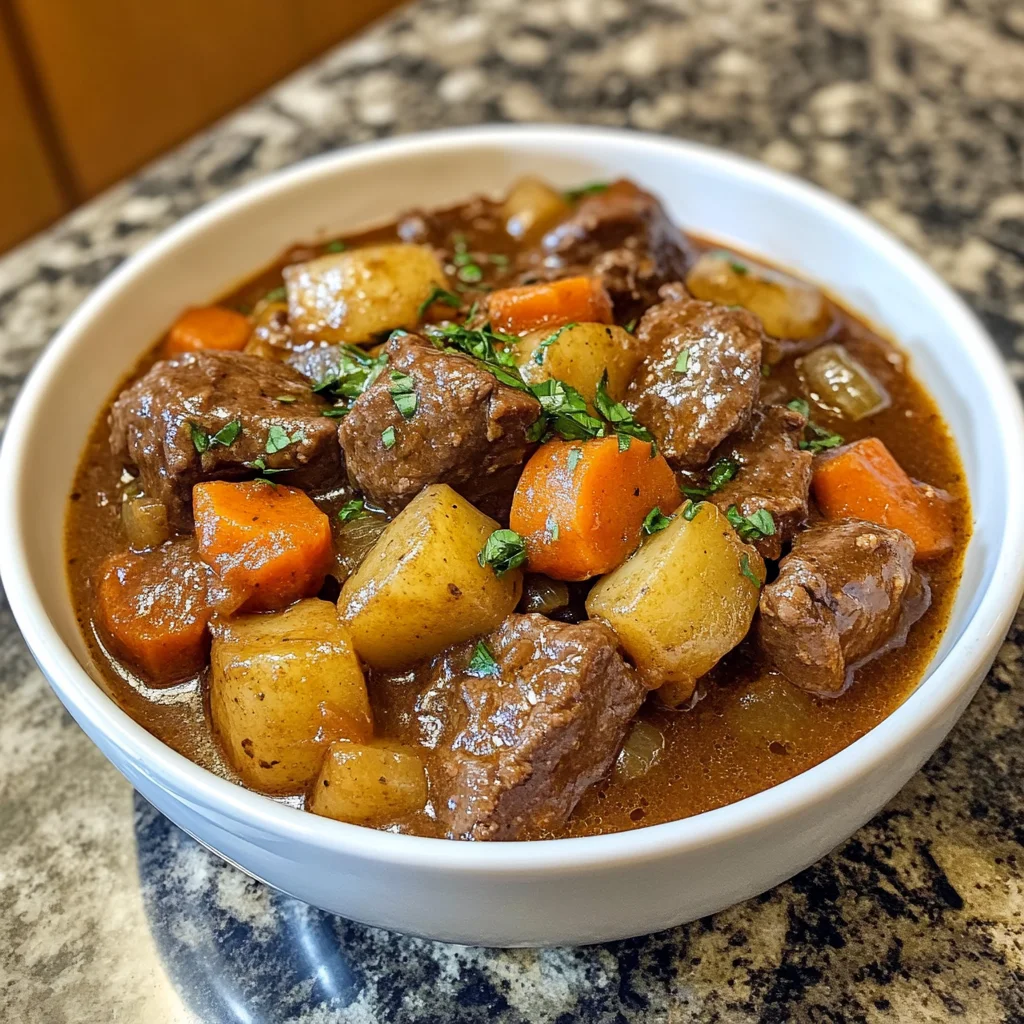
Homestyle Beef Stew: The Ultimate Comfort Food Recipe
There’s nothing quite like a steaming bowl of homestyle beef stew on a chilly evening. This classic dish combines tender chunks of beef with hearty vegetables in a rich, savory broth that warms you from the inside out. Whether you’re cooking for your family on a weeknight or preparing a meal to freeze for later, homestyle beef stew delivers unmatched comfort and satisfaction in every spoonful.
What Makes Homestyle Beef Stew Special
Homestyle beef stew stands out as one of the most beloved comfort foods across cultures and generations. This one-pot wonder combines protein, vegetables, and aromatic herbs into a complete meal that requires minimal effort but delivers maximum satisfaction. The beauty of this dish lies in its simplicity and versatility.
The slow cooking process transforms tough cuts of meat into fork-tender morsels. Meanwhile, the vegetables soften and release their natural sweetness. This creates a harmonious blend of flavors and textures. Additionally, the extended simmering time allows the ingredients to develop a depth of flavor that cannot be rushed.
Another remarkable aspect of homestyle beef stew is its ability to taste even better the next day. The flavors continue to meld and intensify as the stew rests. This makes it perfect for meal prep and batch cooking. Furthermore, beef stew freezes exceptionally well, providing convenient ready-made meals for busy weeknights.
Essential Ingredients for Perfect Beef Stew
Creating an authentic homestyle beef stew requires a carefully selected combination of ingredients. Each component plays a specific role in building the final flavor profile. Let’s explore the key elements that make this dish truly exceptional.
Primary Ingredients
The foundation of any great beef stew starts with quality beef. You’ll need approximately two pounds of cubed stew meat for a standard recipe. Next, you’ll want fresh vegetables including potatoes, carrots, celery, and onions. These vegetables provide both nutrition and substance to your stew.
For the liquid base, beef broth serves as the primary component. This adds depth and richness to the overall dish. Additionally, tomato paste contributes umami flavor and helps thicken the sauce. Many recipes also incorporate Worcestershire sauce for an extra layer of savory complexity.
Herbs and Seasonings
Fresh or dried rosemary stands as a classic herb choice for beef stew. It pairs beautifully with beef and adds an earthy aroma. Thyme represents another essential herb that complements the meat and vegetables. Bay leaves contribute subtle depth, though they should be removed before serving.
Don’t forget basic seasonings like salt and black pepper. These enhance all the other flavors present in the dish. Fresh parsley added at the end brightens the finished stew and adds a pop of color.
Additional Flavor Builders
Garlic serves as an aromatic foundation alongside the onions and celery. These ingredients create what’s known as a mirepoix base. Frozen peas can be stirred in during the final minutes of cooking. They add sweetness and vibrant color without becoming mushy.
Choosing the Best Cuts of Beef
Selecting the right cut of beef makes all the difference in creating tender, flavorful homestyle beef stew. Not all beef cuts perform equally when subjected to the long, slow cooking process that stew requires. Understanding which cuts work best will elevate your stew from good to exceptional.
Chuck Roast: The Top Choice
Chuck roast consistently ranks as the best cut for beef stew. This cut comes from the shoulder area of the cow. It contains the perfect balance of meat, fat, and connective tissue. When cooked low and slow for two to three hours, the collagen melts down completely.
This melting process creates naturally tender bites and enriches the broth. The marbling throughout chuck roast ensures your meat stays moist and flavorful. Most butchers sell pre-cut stew meat, which often comes from chuck roast. However, buying a whole chuck roast and cutting it yourself often proves more economical.
Other Excellent Options
Beef short ribs offer another outstanding choice for stew. They contain plenty of connective tissue that breaks down beautifully during cooking. Brisket works wonderfully in stew as well, especially in recipes with tomato-based broths. The long fibers become melt-in-your-mouth tender when properly braised.
Oxtail provides incredible flavor and richness to stew. It requires a longer cooking time but rewards your patience. For a leaner option, consider bottom round or top round. These cuts come from the rear leg and contain less fat. Therefore, they work best when mixed with fattier cuts like chuck to maintain moisture and prevent drying out.
Preparing Your Beef
Regardless of which cut you choose, trim excessive fat before cooking. Leave some fat for flavor, but remove large chunks. Cut the meat into uniform pieces, approximately one to two inches in size. This ensures even cooking throughout the stew.
Step-by-Step Cooking Instructions
Creating perfect homestyle beef stew follows a methodical process that builds flavor at every stage. Following these detailed instructions will help you achieve restaurant-quality results in your own kitchen. Let’s walk through each step carefully.
Preparing and Browning the Meat
Start by patting your beef cubes completely dry with paper towels. Season them generously with salt and pepper. Heat two to three tablespoons of vegetable oil in a large Dutch oven over medium-high heat. The pot should be hot but not smoking.
Brown the beef in batches, never overcrowding the pan. Each batch should have space between the pieces. This allows proper browning rather than steaming. Cook each side for about two minutes until a deep golden-brown crust forms. Transfer the browned pieces to a plate and repeat with remaining beef.
This browning step, though tedious, proves absolutely essential. The Maillard reaction that occurs creates deep, complex flavors. It also develops the fond (browned bits) on the bottom of your pot. These bits will add tremendous flavor to your broth later.
Building the Flavor Base
After removing all the meat, add a bit more oil if needed. Toss in your diced onions, celery, and minced garlic. Cook these aromatics for about five minutes until they soften. Stir occasionally to prevent burning. Next, add the tomato paste and stir it around for a minute or two.
This step caramelizes the tomato paste and intensifies its flavor. Now comes an important technique: deglazing the pan. Pour in a small amount of beef broth while scraping up all those browned bits from the bottom. These bits contain concentrated flavor that will enrich your entire stew.
Simmering to Perfection
Return the browned beef and any accumulated juices to the pot. Add the remaining beef broth, herbs, and seasonings. Bring everything to a boil, then immediately reduce the heat to low. Cover the pot and let it simmer gently for about one hour.
After the first hour, add your potatoes and carrots. These vegetables need less cooking time than the meat. Bring the liquid back to a simmer, cover again, and cook for another 30 to 40 minutes. The vegetables should be fork-tender but not falling apart. Stir in frozen peas and fresh parsley during the final few minutes.
Thickening the Stew
If your stew needs thickening, create a cornstarch slurry. Mix equal parts cornstarch and cold water in a small bowl. Slowly stir this mixture into the simmering stew. Continue cooking uncovered until it reaches your desired consistency. Remember, the stew will thicken slightly as it cools. Therefore, don’t make it too thick while still hot.
Expert Tips for Maximum Flavor
Mastering homestyle beef stew involves more than just following a recipe. Professional chefs and experienced home cooks employ specific techniques that take this dish to the next level. Implementing these tips will help you create the most flavorful, satisfying stew possible.
Give Your Stew Plenty of Time
Patience represents one of the most important ingredients in beef stew. The long, slow cooking process cannot be rushed. The connective tissue in beef needs time to break down completely. This transformation creates that signature fork-tender texture everyone loves.
Plan for at least two hours of total cooking time. Some recipes benefit from even longer simmering, up to three hours. The meat should easily pull apart with a fork when properly cooked. Additionally, remember that stew often tastes better the next day. This extra time allows the flavors to develop further and become more cohesive.
Use Homemade Broth When Possible
While store-bought broth certainly works, homemade beef broth elevates your stew significantly. Homemade broth contains more collagen and natural gelatin. These components add body and richness that boxed broth cannot match. If you don’t have homemade broth, choose a high-quality, low-sodium variety from the store.
Low-sodium options give you better control over the final seasoning. You can always add more salt, but you cannot remove it. Furthermore, as the stew reduces during cooking, the salt concentration increases. Starting with low-sodium broth prevents your stew from becoming overly salty.
Season in Layers
Great cooks season their food throughout the cooking process, not just at the end. Season the beef before browning it. Add more seasoning when you cook the aromatics. Taste the broth after adding the liquid and adjust as needed. Finally, taste again before serving and make final adjustments.
This layered approach builds complexity and ensures every element tastes properly seasoned. Black pepper loses its potency during long cooking times. Therefore, add a fresh grinding just before serving. Fresh herbs like parsley should also be added at the end to preserve their bright flavor.
Don’t Skip the Searing
As mentioned earlier, browning the meat creates essential flavor through the Maillard reaction. This step also creates fond on the bottom of your pot. When you deglaze the pan, all that concentrated flavor incorporates into your broth. Skipping this step results in a noticeably less flavorful stew.
Make sure your pan is hot enough and don’t overcrowd it. The meat should sizzle when it hits the oil. If it doesn’t, your pan isn’t hot enough. Take the time to brown in batches even though it seems tedious. Your patience will be rewarded with significantly better flavor.
Nutritional Benefits of Beef Stew
Beyond its incredible taste and comfort-food appeal, homestyle beef stew offers substantial nutritional benefits. This hearty dish provides a well-balanced combination of protein, vegetables, and essential nutrients. Understanding these benefits helps you appreciate this meal as both delicious and nourishing.
High-Quality Protein Content
Beef stew delivers an impressive amount of high-quality protein. A typical three-ounce serving of beef provides approximately 26 to 28 grams of protein. This macronutrient plays a crucial role in muscle growth, tissue repair, and overall body maintenance.
The protein in beef contains all nine essential amino acids. This makes it a complete protein source. Your body cannot produce these amino acids on its own, so you must obtain them through food. Furthermore, the slow cooking process makes the protein highly digestible and easy for your body to utilize.
Essential Vitamins and Minerals
Beef serves as an excellent source of several important vitamins and minerals. It’s particularly rich in B vitamins including niacin, thiamin, riboflavin, and B6. These vitamins support energy metabolism and help your body convert food into usable energy.
Iron represents another key nutrient found abundantly in beef. This mineral helps form red blood cells and prevents anemia. Beef contains heme iron, which your body absorbs more easily than the non-heme iron found in plant sources. Additionally, beef provides zinc, which supports immune function and wound healing.
Vegetable Nutrition
The vegetables in beef stew contribute their own nutritional benefits. Carrots provide beta-carotene, which converts to vitamin A in your body. Potatoes offer vitamin C, potassium, and dietary fiber. Celery and onions add additional vitamins, minerals, and antioxidants.
The combination of meat and vegetables creates a balanced meal. The broth helps you absorb water-soluble vitamins from the vegetables. Moreover, the collagen that breaks down from the beef during cooking supports joint health and digestive health. This makes beef stew not just satisfying but genuinely nutritious.
Considerations for Healthy Preparation
To maximize the health benefits of your homestyle beef stew, choose lean cuts of beef when possible. Trim excess visible fat before cooking. Use low-sodium broth to control salt intake. You can also increase the vegetable-to-meat ratio to add more fiber and nutrients while reducing calories.
Delicious Variations to Try
One of the greatest advantages of homestyle beef stew is its versatility. This classic recipe welcomes countless variations and adaptations. Experimenting with different ingredients and cooking methods keeps this dish exciting and prevents mealtime boredom.
Cooking Method Variations
While stovetop preparation represents the traditional approach, you have several cooking options. The Instant Pot offers a faster alternative for busy weeknights. Simply brown the meat using the sauté function, then pressure cook on high for 35 minutes. Allow a natural pressure release for 10 minutes before opening.
Slow cooker preparation provides hands-off convenience. After browning the meat on the stovetop, transfer everything to your slow cooker. Cook on low for six to eight hours or high for three to four hours. Dutch oven cooking in the oven creates exceptionally tender results. After bringing the stew to a simmer on the stovetop, transfer it to a 325°F oven for two to two-and-a-half hours.
Ingredient Swaps and Additions
Feel free to customize the vegetables based on preference or availability. Turnips, parsnips, or rutabaga add interesting flavors and textures. Mushrooms contribute extra umami and make the stew more filling. Pearl onions instead of diced onions create an elegant presentation.
For a richer sauce, add a splash of balsamic vinegar. This provides acidity and depth without overpowering other flavors. Fresh thyme sprigs can replace or supplement dried herbs. Some cooks add a tablespoon of brown sugar to balance the savory elements with subtle sweetness.
International Inspirations
Hungarian goulash represents a spiced variation featuring paprika and caraway seeds. Irish stew traditionally includes lamb instead of beef and focuses on root vegetables. French beef bourguignon uses a similar technique but emphasizes mushrooms and pearl onions. These variations demonstrate how different cultures have adapted this basic concept.
You can also adjust the thickness of your stew. Some prefer a soup-like consistency with more broth. Others enjoy a thick, gravy-like sauce that coats the ingredients heavily. Adjust the amount of liquid and thickening agent to match your personal preference.
Common Mistakes to Avoid
Even experienced cooks sometimes encounter problems when making homestyle beef stew. Understanding these common pitfalls helps you avoid them and achieve perfect results every time. Let’s examine the most frequent mistakes and how to prevent them.
Overcrowding the Pan
When browning beef, overcrowding represents the most common error. Too many pieces in the pan at once lowers the temperature. This causes the meat to steam rather than brown. Steamed meat remains gray and doesn’t develop the caramelized crust that adds flavor.
Always brown in batches, leaving space between each piece. The pan should remain at a steady high heat throughout. Each batch should take about six to eight minutes total. Yes, this takes longer, but the flavor difference makes it worthwhile.
Using the Wrong Cut of Meat
Choosing a lean cut like sirloin or tenderloin leads to dry, tough stew meat. These cuts lack the connective tissue needed for slow cooking. They become increasingly tough as they cook longer. Stick with chuck roast, short ribs, or other well-marbled, collagen-rich cuts.
Pre-cut stew meat from the grocery store varies in quality. Sometimes it contains various scraps and less desirable cuts. Buying a whole chuck roast and cutting it yourself ensures consistency and quality. Additionally, you can control the size of your pieces for even cooking.
Rushing the Cooking Process
Attempting to speed up beef stew by using high heat backfires completely. High heat makes the meat tough and stringy. The vegetables also break down too quickly and become mushy. Low and slow remains the golden rule for stew.
Maintain a gentle simmer, not a rolling boil. You should see occasional bubbles breaking the surface, nothing more. Cover the pot to retain moisture and heat. Check occasionally to ensure the temperature stays consistent. The extra time allows flavors to meld and connective tissue to break down properly.
Adding Vegetables Too Early
Different vegetables require different cooking times. Potatoes and carrots need 30 to 40 minutes to become tender. Adding them at the beginning results in mushy vegetables that fall apart. They also release excess starch, making your broth cloudy and overly thick.
Add root vegetables after the beef has simmered for about an hour. Delicate vegetables like peas should go in during the final five minutes. This timing ensures everything finishes cooking at the same time with the right texture. Fresh herbs also belong at the end to preserve their flavor and color.
Best Side Dishes to Serve
While homestyle beef stew stands as a complete meal on its own, serving it with complementary side dishes enhances the dining experience. The right accompaniments add variety in texture and help soak up the delicious broth. Consider these perfect pairings for your next stew dinner.
Bread Options
Crusty bread represents the classic choice for serving alongside beef stew. A homemade French baguette provides the perfect vehicle for soaking up every drop of sauce. Simply tear off chunks and dip them into the rich broth. The contrast between the crispy crust and tender interior complements the stew beautifully.
Garlic bread offers a flavorful alternative. The buttery, garlicky notes pair wonderfully with the savory stew. Homemade biscuits provide a Southern-style accompaniment. Unlike yeast rolls, biscuits come together quickly and require no rising time. Cheddar biscuits or cheddar buns add extra richness and cheese flavor that many people love.
Cornbread muffins bring a slightly sweet element to the meal. The crumbly texture soaks up broth exceptionally well. Texas Roadhouse-style rolls offer a sweet, tender option that appeals to all ages. Any of these bread choices turn your stew into a more substantial, satisfying meal.
Grain and Starch Sides
Brown rice serves as a nutritious base for ladling stew over top. The grains absorb the flavorful broth while adding fiber and nutrients. Alternatively, serve your stew over mashed potatoes for ultimate comfort food. If your stew already contains potatoes, you might prefer a different option.
Creamy polenta makes an elegant base for beef stew. Its smooth texture contrasts nicely with the chunky vegetables and meat. Couscous cooks quickly and adds a pleasant, slightly nutty flavor. Some families enjoy serving stew over pasta noodles, similar to stroganoff. This approach works especially well for picky eaters who prefer pasta.
Fresh Vegetable Sides
A crisp green salad provides refreshing contrast to the rich, hearty stew. Choose a tangy vinaigrette dressing to cut through the richness. Greek salad with feta, olives, and cucumber offers Mediterranean flair. Cucumber yogurt salad brings cooling freshness to the plate.
Grilled vegetables add smoky, charred notes that complement the stew nicely. Consider asparagus, bell peppers, zucchini, or eggplant. Roasted vegetables like Brussels sprouts or green beans provide another healthy option. These additions increase the overall nutritional value of your meal while adding color and variety.
Storage and Freezing Guidelines
Properly storing homestyle beef stew extends its life and maintains its quality. Understanding the best practices for refrigeration and freezing ensures you can enjoy this delicious meal for weeks to come. Follow these guidelines for optimal results.
Refrigerator Storage
Allow your freshly cooked stew to cool to room temperature before refrigerating. However, don’t leave it sitting out for more than two hours. Bacteria can multiply rapidly at room temperature. Cooling it slightly prevents raising the internal temperature of your refrigerator.
Transfer the cooled stew to airtight containers. Properly stored beef stew lasts three to four days in the refrigerator. Interestingly, many people find that stew tastes even better after a day in the fridge. The flavors continue to develop and meld together during this resting period.
When reheating refrigerated stew, heat it thoroughly until it reaches at least 165°F. Stir occasionally to ensure even heating throughout. You can reheat on the stovetop over medium-low heat or in the microwave. Add a splash of broth if it seems too thick after refrigeration.
Freezing for Long-Term Storage
Beef stew freezes exceptionally well and maintains its quality for two to three months. For best results, cool the stew completely before freezing. Divide it into practical portions in freezer-safe, airtight containers. Leave about half an inch of headspace at the top to allow for expansion.
Label each container clearly with the contents and date. This helps you track how long items have been frozen. Masking tape and permanent markers work well if you don’t have proper freezer labels. For containers with air gaps between the food and lid, place a sheet of plastic wrap directly on the stew’s surface. This prevents moisture from forming ice crystals and causing freezer burn.
Thawing and Reheating Frozen Stew
The safest method for thawing frozen beef stew involves transferring it from freezer to refrigerator. Let it defrost overnight before reheating. This slow thawing maintains food safety and preserves texture. For faster thawing, use your microwave’s defrost setting with a microwave-safe container.
Do not thicken stew before freezing. Cornstarch and flour can break down during freezing and thawing. Instead, add your thickening agent after reheating and bringing the stew back to a simmer. Root vegetables like potatoes and carrots freeze very well in stew. However, avoid freezing stew with dumplings, as they tend to fall apart during reheating.
Reheat frozen stew gently over medium-low heat on the stovetop. Stir frequently to prevent scorching. Alternatively, reheat in the oven at 325°F in a covered dish. Whichever method you choose, ensure the internal temperature reaches 165°F for food safety.
Frequently Asked Questions
What makes beef stew tender?
The key to tender beef stew lies in choosing the right cut and cooking it properly. Chuck roast contains connective tissue that breaks down during long, slow cooking. This process transforms tough meat into fork-tender pieces. Cooking at low temperature for two to three hours allows the collagen to dissolve completely. Rushing this process with high heat produces tough, chewy meat instead.
Can I make homestyle beef stew in advance?
Absolutely! Beef stew actually improves when made ahead. The flavors continue developing as it sits, creating an even more delicious dish. You can refrigerate cooked stew for three to four days. Many cooks prefer to make it a day before serving for maximum flavor. Simply reheat gently on the stovetop until warmed through.
What vegetables work best in beef stew?
Traditional vegetables include potatoes, carrots, celery, and onions. These hold up well during extended cooking. You can also add turnips, parsnips, or rutabaga for variety. Mushrooms contribute umami flavor and extra nutrition. Add hardy vegetables at the one-hour mark and delicate items like peas during the final minutes.
How do I thicken my beef stew?
Create a cornstarch slurry by mixing equal parts cornstarch and cold water. Stir this mixture into simmering stew gradually until you reach desired thickness. Alternatively, mash some of the cooked potatoes against the side of the pot. This releases starch that naturally thickens the broth. Remember that stew thickens as it cools, so don’t overdo it.
Can I freeze beef stew with potatoes?
Yes, you can successfully freeze beef stew containing potatoes. Root vegetables generally freeze very well in soups and stews. The texture may change slightly after freezing, becoming a bit softer. However, most people don’t find this problematic. Store frozen stew for up to three months for best quality.
What’s the best way to reheat beef stew?
For stovetop reheating, place stew in a pot over medium-low heat. Stir occasionally until heated through to 165°F. Add a splash of broth if needed to thin the consistency. For microwave reheating, use a microwave-safe container and heat in short intervals. Stir between intervals for even heating. Oven reheating at 325°F in a covered dish also works well.
Conclusion
Homestyle beef stew represents the ultimate comfort food, combining tender beef, hearty vegetables, and rich broth into a satisfying one-pot meal. By choosing quality ingredients like chuck roast, taking time to brown the meat properly, and allowing sufficient simmering time, you create a dish that warms both body and soul. This versatile recipe adapts easily to different cooking methods and personal preferences while delivering consistent, delicious results.
The nutritional benefits of beef stew make it more than just comfort food. It provides high-quality protein, essential vitamins and minerals, and a balanced combination of nutrients from both meat and vegetables. Whether you prepare it on the stovetop, in a slow cooker, or using an Instant Pot, homestyle beef stew offers convenience through excellent storage and freezing capabilities.
Ready to create your own perfect pot of homestyle beef stew? Gather your ingredients, set aside a relaxing afternoon, and enjoy the wonderful aromas that fill your kitchen. Don’t forget to make extra—this delicious stew tastes even better the next day and freezes beautifully for future meals.
Print
Homestyle Beef Stew
Description
Homestyle Beef Stew
Servings: 6
Prep Time: 15 minutes
Cook Time: 2 hours
Calories: ~480 per serving
Ingredients
-
2 lbs beef chuck, cut into 1-inch cubes
-
3 tbsp olive oil
-
1 large onion, diced
-
3 cloves garlic, minced
-
4 cups beef broth
-
3 large carrots, peeled and chopped
-
3 large potatoes, peeled and cubed
-
2 stalks celery, chopped
-
2 tbsp tomato paste
-
1 tsp dried thyme
-
1 tsp dried rosemary
-
2 bay leaves
-
2 tbsp all-purpose flour
-
Salt & pepper to taste
-
2 tbsp chopped parsley (for garnish)
Instructions
-
Brown the beef:
Heat olive oil in a large pot or Dutch oven. Brown beef in batches to seal in juices. Remove and set aside. -
Sauté aromatics:
In the same pot, add onion and garlic. Cook until softened. -
Add tomato paste & flour:
Stir in tomato paste and flour for 1–2 minutes to create a roux-like base. -
Build the stew:
Return beef to the pot. Add beef broth, rosemary, bay leaves, salt, and pepper. Bring to a boil, then reduce to a simmer. -
Add veggies:
Add carrots, potatoes, and celery. Simmer uncovered for 1.5–2 hours, stirring occasionally, until beef is tender and stew thickens. -
Finish:
Remove bay leaves. Adjust seasoning. Garnish with parsley before serving.