
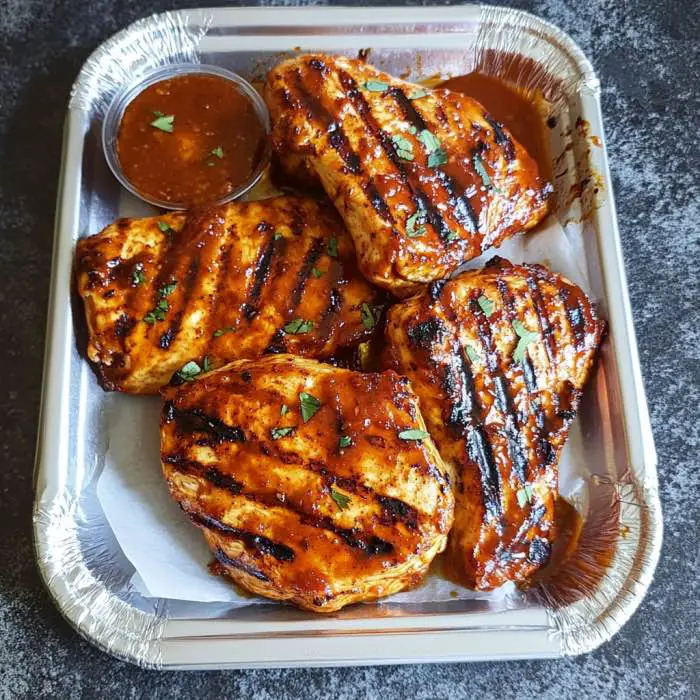
The Ultimate Guide to Perfect BBQ Chicken Breasts: Juicy, Flavorful, and Easy
Introduction
BBQ chicken breasts are a backyard grilling staple that brings families together around the dinner table. However, achieving perfectly cooked, juicy BBQ chicken breasts can be challenging for many home cooks. Therefore, this comprehensive guide will transform your grilling game with expert techniques, proven marinades, and foolproof cooking methods.
Whether you’re a beginner or seasoned pitmaster, you’ll discover everything needed to create restaurant-quality BBQ chicken breasts. In addition, we’ll explore various cooking methods, flavor combinations, and professional tips that guarantee success every time.
Table of Contents
-
Choosing the Perfect Chicken Breasts
-
Essential Preparation Techniques
-
Marinades and Dry Rubs for Maximum Flavor
-
Grilling Methods and Techniques
-
Temperature Control and Food Safety
-
BBQ Sauces and Glazes
-
Alternative Cooking Methods
-
Common Mistakes to Avoid
-
Perfect Side Dishes and Pairings
-
Storage and Reheating Tips
-
Health Benefits and Nutritional Information
-
Frequently Asked Questions
Choosing the Perfect Chicken Breasts
Fresh vs. Frozen Considerations
Selecting quality chicken breasts forms the foundation of exceptional BBQ results. Fresh chicken breasts typically offer superior texture and flavor compared to frozen alternatives. However, properly thawed frozen chicken can still produce excellent results when handled correctly.
Look for chicken breasts with a pink color and firm texture. Furthermore, avoid packages with excessive liquid, which indicates poor handling or extended storage. The meat should feel springy when pressed gently.
Size and Thickness Matters
Uniform thickness ensures even cooking throughout the BBQ chicken breasts. Therefore, consider butterflying thicker pieces or using a meat mallet for consistency. Ideally, aim for chicken breasts that are 6-8 ounces each with relatively even thickness.
Key selection criteria:
-
Bright pink color without gray spots
-
Firm texture that springs back when touched
-
Minimal liquid in packaging
-
Similar sizes for even cooking
-
Fresh “sell by” dates
Organic and Free-Range Options
Organic and free-range chicken breasts often provide enhanced flavor profiles. In addition, these options typically contain fewer additives and antibiotics. While more expensive, many grilling enthusiasts believe the improved taste justifies the cost.
Essential Preparation Techniques
Proper Thawing Methods
Safely thawing frozen BBQ chicken breasts requires patience and proper technique. The refrigerator method takes 24 hours but ensures food safety. Alternatively, cold water thawing works faster but requires changing water every 30 minutes.
Never thaw chicken breasts at room temperature, as this promotes bacterial growth. Furthermore, avoid using hot water or microwave thawing for BBQ preparations, as these methods can create uneven textures.
Brining for Moisture Retention
Brining significantly improves the moisture content and flavor of BBQ chicken breasts. A basic brine consists of water, salt, and sugar in proper ratios. Therefore, plan for 2-4 hours of brining time for optimal results.
Basic Brine Recipe:
-
4 cups water
-
1/4 cup kosher salt
-
2 tablespoons sugar
-
Optional: herbs, spices, or aromatics
Trimming and Cleaning
Properly trimmed BBQ chicken breasts cook more evenly and present better on the plate. Remove excess fat, visible tendons, and any remaining skin if desired. However, leaving some fat can enhance flavor and moisture retention during cooking.
Pat the chicken breasts completely dry before seasoning or marinating. This step ensures better seasoning adherence and improved searing when grilling begins.
Marinades and Dry Rubs for Maximum Flavor
Understanding Marinade Components
Effective marinades for BBQ chicken breasts contain three essential components: acid, oil, and seasonings. The acid tenderizes the meat, oil adds moisture and carries flavors, while seasonings provide the desired taste profile.
Common acidic ingredients include vinegar, citrus juice, wine, or yogurt. However, avoid over-marinating, as excessive acid exposure can create mushy textures. Therefore, limit marinating time to 2-8 hours for chicken breasts.
Classic BBQ Marinade Recipe
This versatile marinade works perfectly for traditional BBQ chicken breasts:
Ingredients:
-
1/3 cup olive oil
-
1/4 cup apple cider vinegar
-
2 tablespoons brown sugar
-
2 tablespoons soy sauce
-
1 tablespoon Worcestershire sauce
-
2 cloves garlic, minced
-
1 teaspoon smoked paprika
-
1 teaspoon onion powder
-
Salt and pepper to taste
Combine all ingredients and marinate chicken breasts for 4-6 hours. Furthermore, reserve some marinade separately for basting during cooking.
Dry Rub Applications
Dry rubs create flavorful crusts on BBQ chicken breasts while allowing the meat’s natural taste to shine. Apply rubs 30 minutes to 2 hours before cooking for optimal flavor penetration. In addition, dry rubs work exceptionally well when combined with brining techniques.
All-Purpose BBQ Rub:
-
2 tablespoons brown sugar
-
1 tablespoon paprika
-
1 tablespoon chili powder
-
1 teaspoon garlic powder
-
1 teaspoon onion powder
-
1 teaspoon cumin
-
1/2 teaspoon cayenne pepper
-
Salt and black pepper to taste
International Flavor Profiles
Expand your BBQ chicken breast repertoire with international marinades. Mediterranean versions feature olive oil, lemon, and herbs. Meanwhile, Asian-inspired marinades incorporate soy sauce, ginger, and sesame oil for unique flavor combinations.
Mediterranean Marinade:
-
1/4 cup olive oil
-
Juice of 2 lemons
-
2 tablespoons fresh oregano
-
3 cloves garlic, minced
-
Salt and pepper
This marinade infuses BBQ chicken breasts with bright, fresh flavors that complement summer grilling perfectly.
Grilling Methods and Techniques
Direct vs. Indirect Heat
Understanding heat zones transforms your BBQ chicken breast cooking skills. Direct heat provides high temperatures for searing and creating appealing grill marks. However, indirect heat ensures even cooking without burning the exterior.
For thick chicken breasts, start with direct heat for 2-3 minutes per side. Then, move to indirect heat to finish cooking thoroughly. This technique prevents dry, overcooked exteriors while ensuring safe internal temperatures.
Gas Grill Setup
Gas grills offer precise temperature control for consistent BBQ chicken breast results. Preheat the grill to medium-high heat (375-400°F) before cooking begins. Furthermore, clean and oil the grates to prevent sticking.
Create heat zones by turning some burners to high and others to low or off. This setup provides flexibility for searing and gentle cooking as needed throughout the process.
Charcoal Grilling Techniques
Charcoal grills impart distinctive smoky flavors to BBQ chicken breasts that gas grills cannot replicate. Arrange coals on one side of the grill for direct heat, leaving the other side for indirect cooking.
Use a chimney starter for even coal lighting without lighter fluid flavors. Furthermore, wait until coals develop a thin gray ash coating before cooking begins. This indicates optimal cooking temperatures.
Charcoal Setup Steps:
-
Light coals using a chimney starter
-
Wait 15-20 minutes for proper heating
-
Arrange coals for two-zone cooking
-
Clean and oil cooking grates
-
Test temperature with hand method
Wood Chip Selection
Adding wood chips enhances the smoky flavor profile of BBQ chicken breasts. Apple and cherry woods provide mild, sweet smoke that complements poultry perfectly. However, hickory and oak create stronger flavors for those preferring bolder tastes.
Soak wood chips for 30 minutes before use to create longer-lasting smoke. Furthermore, wrap chips in aluminum foil with holes for controlled smoke release during cooking.
Temperature Control and Food Safety
Internal Temperature Guidelines
Food safety requires BBQ chicken breasts reach an internal temperature of 165°F (74°C). Use an instant-read thermometer inserted into the thickest part of the breast for accurate readings. However, avoid touching bone, as this can provide false temperature readings.
The temperature will continue rising 5-10°F after removal from heat due to carryover cooking. Therefore, consider removing chicken breasts at 160°F for perfectly cooked, juicy results.
Thermometer Techniques
Proper thermometer placement ensures accurate temperature readings for safe BBQ chicken breasts. Insert the probe horizontally into the thickest part of the breast. Furthermore, check multiple pieces when cooking several chicken breasts simultaneously.
Digital instant-read thermometers provide the most accurate results. However, leave-in probe thermometers with alarms offer convenience for monitoring temperature without opening the grill frequently.
Resting Period Importance
Allowing BBQ chicken breasts to rest after cooking redistributes juices throughout the meat. This 5-10 minute resting period significantly improves texture and moisture retention. Furthermore, internal temperatures continue rising during this time.
Cover rested chicken breasts loosely with foil to maintain warmth. However, avoid sealing completely, as trapped steam can soften the exterior crust you worked hard to achieve.
BBQ Sauces and Glazes
Timing BBQ Sauce Application
Applying BBQ sauce at the correct time prevents burning while maximizing flavor impact. Most commercial BBQ sauces contain sugars that caramelize and burn at high temperatures. Therefore, apply sauces during the last 5-10 minutes of cooking.
For multiple sauce layers, apply thin coats and allow each to set before adding more. This technique builds complex flavors while maintaining the desired consistency on finished BBQ chicken breasts.
Homemade BBQ Sauce Recipes
Creating custom BBQ sauces allows perfect flavor matching for your BBQ chicken breasts. Start with a tomato base and adjust sweetness, tanginess, and heat levels to personal preferences.
Classic Homemade BBQ Sauce:
-
1 cup ketchup
-
1/4 cup apple cider vinegar
-
1/4 cup brown sugar
-
2 tablespoons Worcestershire sauce
-
1 tablespoon yellow mustard
-
2 teaspoons smoked paprika
-
1 teaspoon garlic powder
-
1/2 teaspoon cayenne pepper
-
Salt to taste
Simmer ingredients for 15 minutes until thickened. Furthermore, this sauce stores in the refrigerator for up to two weeks.
Regional BBQ Sauce Styles
Different regions have developed unique BBQ sauce styles that complement chicken breasts differently. Kansas City style features thick, molasses-based sauces with complex sweetness. Meanwhile, Carolina-style sauces emphasize vinegar and mustard for tangy flavor profiles.
Carolina Mustard Sauce:
-
1/2 cup yellow mustard
-
1/4 cup apple cider vinegar
-
2 tablespoons honey
-
1 tablespoon brown sugar
-
1 teaspoon garlic powder
-
Salt and pepper to taste
This tangy sauce provides excellent contrast to rich, smoky BBQ chicken breasts.
Glazing Techniques
Proper glazing creates an attractive, flavorful coating on BBQ chicken breasts. Apply glazes with a basting brush during the final cooking minutes. Furthermore, multiple thin coats work better than single thick applications.
Heat the grill to medium temperature when glazing to prevent burning. In addition, watch carefully for caramelization signs and adjust heat as needed to achieve perfect results.
Alternative Cooking Methods
Oven-Baked BBQ Chicken Breasts
Weather doesn’t always cooperate with outdoor grilling plans. However, oven-baked BBQ chicken breasts can deliver excellent results with proper techniques. Preheat the oven to 425°F and use a wire rack over a baking sheet for even cooking.
Brush chicken breasts with oil and season as desired. Furthermore, flip halfway through cooking for even browning. Total cooking time typically ranges from 20-25 minutes depending on thickness.
Smoker Preparation
Smoking BBQ chicken breasts creates incredibly flavorful, tender results with distinctive smokehouse character. Set smoker temperatures to 225-250°F for low and slow cooking. Furthermore, plan for 1.5-2 hours total cooking time.
Use fruit woods like apple or cherry for mild smoke flavor that won’t overpower the chicken. However, maintain consistent temperatures throughout the cooking process for optimal results.
Smoker Setup Steps:
-
Preheat smoker to 225°F
-
Add soaked wood chips
-
Season chicken breasts as desired
-
Cook until internal temperature reaches 165°F
-
Rest before serving
Indoor Grilling Options
Grill pans and electric grills provide indoor alternatives for BBQ chicken breasts when outdoor cooking isn’t possible. Heat grill pans to medium-high temperatures and lightly oil surfaces to prevent sticking.
Cook chicken breasts 6-8 minutes per side, adjusting time based on thickness. Furthermore, indoor methods won’t provide smoky flavors, but marinades and rubs can compensate with bold seasoning profiles.
Air Fryer Adaptations
Air fryers create crispy exteriors on BBQ chicken breasts while maintaining juicy interiors. Preheat air fryers to 375°F and cook for 12-15 minutes, flipping halfway through. However, cooking times vary based on chicken breast thickness and air fryer models.
Lightly spray chicken breasts with cooking oil for better browning results. In addition, avoid overcrowding the basket, which can lead to uneven cooking and poor air circulation.
Common Mistakes to Avoid
Overcooking Issues
The most common mistake with BBQ chicken breasts is overcooking, which results in dry, tough meat. Therefore, invest in a quality thermometer and remove chicken at the proper internal temperature. Furthermore, remember that carryover cooking continues raising temperatures after removal from heat.
Thick chicken breasts require longer cooking times but remain juicier when cooked properly. However, pounding to even thickness helps ensure consistent results across the entire piece.
Insufficient Preheating
Starting BBQ chicken breasts on inadequately heated grills leads to sticking and uneven cooking. Always preheat grills to proper temperatures before cooking begins. Furthermore, clean and oil grates after preheating for best results.
Gas grills require 10-15 minutes preheating time, while charcoal grills need 20-30 minutes. In addition, use the hand test to verify temperature zones before placing chicken on grates.
Flipping Too Frequently
Constantly flipping BBQ chicken breasts prevents proper searing and can cause meat to fall apart. Instead, flip only once during cooking for optimal results. Furthermore, resist the urge to press down with spatulas, which squeezes out valuable juices.
Allow 6-8 minutes per side for most chicken breast thicknesses. However, adjust timing based on heat levels and desired doneness while maintaining food safety standards.
Sauce Application Errors
Applying BBQ sauce too early causes burning and bitter flavors due to high sugar content. Wait until the final 5-10 minutes of cooking before adding sauce. Furthermore, keep sauce warm in a small pan for easier application.
Build sauce layers gradually rather than applying thick coats all at once. This technique prevents dripping and creates more complex flavor development throughout the cooking process.
Perfect Side Dishes and Pairings
Traditional BBQ Sides
Classic side dishes complement BBQ chicken breasts perfectly and create complete, satisfying meals. Coleslaw provides refreshing contrast to rich, smoky flavors. Furthermore, baked beans add hearty substance and traditional barbecue authenticity.
Popular BBQ Side Options:
-
Creamy coleslaw with tangy dressing
-
Baked beans with bacon and onions
-
Corn on the cob with herb butter
-
Potato salad with fresh herbs
-
Mac and cheese for indulgent comfort
-
Grilled vegetables for healthy balance
Healthy Accompaniments
Lighter side dishes balance the richness of BBQ chicken breasts while providing nutritional variety. Grilled vegetables retain their natural flavors and add colorful presentation to plates. However, avoid overwhelming delicate vegetable flavors with heavy seasonings.
Mixed green salads with vinaigrette dressings offer refreshing palate cleansers between rich bites. Furthermore, quinoa or rice-based salads provide protein and fiber for more complete nutrition.
Beverage Pairings
Selecting appropriate beverages enhances the overall BBQ chicken breast dining experience. Light beers complement smoky flavors without overwhelming the palate. Meanwhile, iced tea provides traditional Southern barbecue authenticity.
Beverage Recommendations:
-
Light lagers or wheat beers
-
Sweet or unsweetened iced tea
-
Lemonade for family-friendly options
-
Light red wines like Pinot Noir
-
Sparkling water with citrus
-
Craft sodas for unique flavors
Bread and Starch Options
Hearty starches round out BBQ chicken breast meals and help absorb flavorful sauces. Cornbread provides classic Southern comfort with slightly sweet flavor profiles. Furthermore, garlic bread offers Italian-inspired alternatives for diverse menu planning.
Grilled potatoes or sweet potatoes add smoky flavors that complement the chicken perfectly. However, prepare starch sides with adequate cooking time to ensure proper doneness when serving begins.
Storage and Reheating Tips
Proper Storage Methods
Leftover BBQ chicken breasts require careful storage to maintain quality and food safety. Refrigerate cooked chicken within two hours of cooking to prevent bacterial growth. Furthermore, store in shallow containers for faster cooling and easier reheating.
Properly stored BBQ chicken breasts remain safe for 3-4 days in refrigerators. However, freeze for longer storage periods up to 4 months with minimal quality loss when wrapped properly.
Freezing Techniques
Wrap individual BBQ chicken breast portions in plastic wrap, then place in freezer bags for optimal protection. Furthermore, remove as much air as possible to prevent freezer burn. Label packages with dates for proper rotation.
Freeze sauces separately from chicken to prevent texture changes during storage. In addition, portion sizes appropriate for planned meals make reheating more convenient and efficient.
Reheating Methods
Gentle reheating preserves moisture and texture in leftover BBQ chicken breasts. Oven reheating at 325°F works best for maintaining quality. Furthermore, cover with foil and add small amounts of liquid to prevent drying.
Microwave reheating offers convenience but can create uneven heating and tough textures. Therefore, use lower power settings and shorter time intervals for better results. However, oven methods produce superior texture and flavor retention.
Reheating Guidelines:
-
Oven: 325°F for 15-20 minutes
-
Microwave: 50% power in 30-second intervals
-
Stovetop: Low heat with added moisture
-
Grill: Indirect heat until warmed through
Food Safety Considerations
Reheat leftover BBQ chicken breasts to internal temperatures of 165°F for food safety. Use thermometers to verify temperatures rather than relying on visual cues alone. Furthermore, discard any leftovers showing signs of spoilage or off odors.
Never refreeze previously frozen and cooked chicken breasts, as this can compromise food safety and quality. However, freshly cooked chicken can be frozen for future use with proper packaging techniques.
Health Benefits and Nutritional Information
Protein Content and Quality
BBQ chicken breasts provide high-quality complete proteins essential for muscle maintenance and growth. A typical 6-ounce serving contains approximately 54 grams of protein with all essential amino acids. Furthermore, chicken protein has high biological value for efficient body utilization.
Lean preparation methods like grilling remove excess fats while preserving protein content. However, marinades and rubs can add minimal calories while significantly enhancing flavor profiles and eating enjoyment.
Vitamin and Mineral Content
Chicken breasts supply important B vitamins, particularly niacin and vitamin B6, which support energy metabolism. In addition, they provide phosphorus for bone health and selenium for antioxidant protection.
Key Nutrients per 6-oz serving:
-
Protein: 54 grams
-
Calories: 285 (without skin)
-
Niacin: 85% daily value
-
Vitamin B6: 30% daily value
-
Phosphorus: 25% daily value
-
Selenium: 40% daily value
Low-Fat Cooking Benefits
Grilling BBQ chicken breasts allows excess fats to drain away during cooking. Furthermore, removing skin before or after cooking significantly reduces total fat and calorie content. This makes chicken breasts excellent choices for weight management goals.
Choose lean marinades and limit high-sugar BBQ sauces to maintain healthy nutritional profiles. However, small amounts of healthy fats from olive oil-based marinades support nutrient absorption and satisfaction.
Comparison to Other Proteins
BBQ chicken breasts offer excellent nutritional value compared to many other protein sources. They contain less saturated fat than beef while providing similar protein quantities. Furthermore, chicken costs less than most fish and seafood options.
Compared to processed meats, fresh chicken breasts contain fewer preservatives and additives. However, organic and free-range options provide additional benefits for those prioritizing sustainable food choices.
Frequently Asked Questions
How long should I marinate BBQ chicken breasts?
Marinate BBQ chicken breasts for 2-8 hours for optimal flavor penetration. However, acidic marinades can create mushy textures if left too long. Therefore, 4-6 hours typically provides the best balance of flavor and texture. Furthermore, always marinate in refrigerators for food safety.
What’s the best temperature for grilling chicken breasts?
Grill BBQ chicken breasts at medium-high heat (375-400°F) for optimal results. This temperature allows proper searing while ensuring even cooking throughout. However, finish thicker pieces using indirect heat to prevent burning the exterior before the interior reaches safe temperatures.
How do I prevent chicken breasts from drying out?
Prevent dry BBQ chicken breasts by using proper cooking techniques and temperature control. Brine chicken beforehand for moisture retention. Furthermore, avoid overcooking by monitoring internal temperatures carefully. Remove chicken at 160°F and allow carryover cooking to reach 165°F during resting.
Can I cook frozen chicken breasts directly on the grill?
Never cook frozen BBQ chicken breasts directly on the grill, as this creates uneven cooking and food safety risks. Always thaw chicken completely before grilling begins. Furthermore, pat dry and bring to room temperature for 30 minutes before cooking for best results.
When should I apply BBQ sauce to prevent burning?
Apply BBQ sauce during the last 5-10 minutes of cooking to prevent burning from sugar caramelization. However, keep sauce warm for easier application and better adhesion. Furthermore, apply multiple thin coats rather than single thick applications for optimal flavor development.
What internal temperature ensures food safety?
BBQ chicken breasts must reach an internal temperature of 165°F (74°C) for food safety. Use instant-read thermometers inserted into the thickest part of the breast. However, avoid touching bones, which can provide false readings and compromise accuracy.
Conclusion
Mastering BBQ chicken breasts transforms ordinary meals into extraordinary dining experiences that bring families together. With proper selection, preparation, and cooking techniques, anyone can create restaurant-quality results at home. Furthermore, understanding temperature control, flavor development, and food safety ensures consistent success every time you fire up the grill.
The techniques and recipes shared in this comprehensive guide provide the foundation for endless BBQ chicken breast variations. Therefore, experiment with different marinades, cooking methods, and flavor combinations to discover your personal favorites. However, always prioritize food safety while exploring creative culinary possibilities.
Remember that practice makes perfect when developing BBQ skills. Start with basic techniques and gradually incorporate advanced methods as confidence grows. In addition, don’t hesitate to adjust recipes and methods based on personal preferences and available equipment.
BBQ Chicken Breasts
Description
Ingredients
-
4 boneless skinless chicken breasts
-
Extra virgin olive oil
-
Kosher salt, to taste
-
Freshly ground black pepper, to taste
-
½ cup BBQ sauce (favorite brand or homemade)
Instructions
Grill Method (Recommended)
-
Preheat grill to high heat (about 450°F). Clean and oil the grates.
-
Drizzle chicken breasts with olive oil, then season generously with salt and pepper.
-
Place chicken on the hot grill, cover, and cook 5-6 minutes until the chicken easily releases from the grill.
-
Flip and cook other side 4-5 minutes.
-
Baste the chicken breasts with BBQ sauce, flip, cook 2 minutes, then repeat on the other side.
-
Continue until chicken feels firm and opaque internally, with an internal temp of 160°F (will rise to 165°F while resting).
-
Remove from grill and rest covered with foil for 5 minutes. Serve with extra BBQ sauce if desired.
Oven Method
-
Preheat oven to 450°F. Drizzle chicken with oil, season with salt and pepper, and place on a foil-lined baking sheet.
-
Bake for 15 minutes. Brush BBQ sauce on top and bake 5-8 minutes more until sauce bubbles and edges char slightly, and internal temp reaches 160°F.
-
Let rest for a few minutes before serving.