
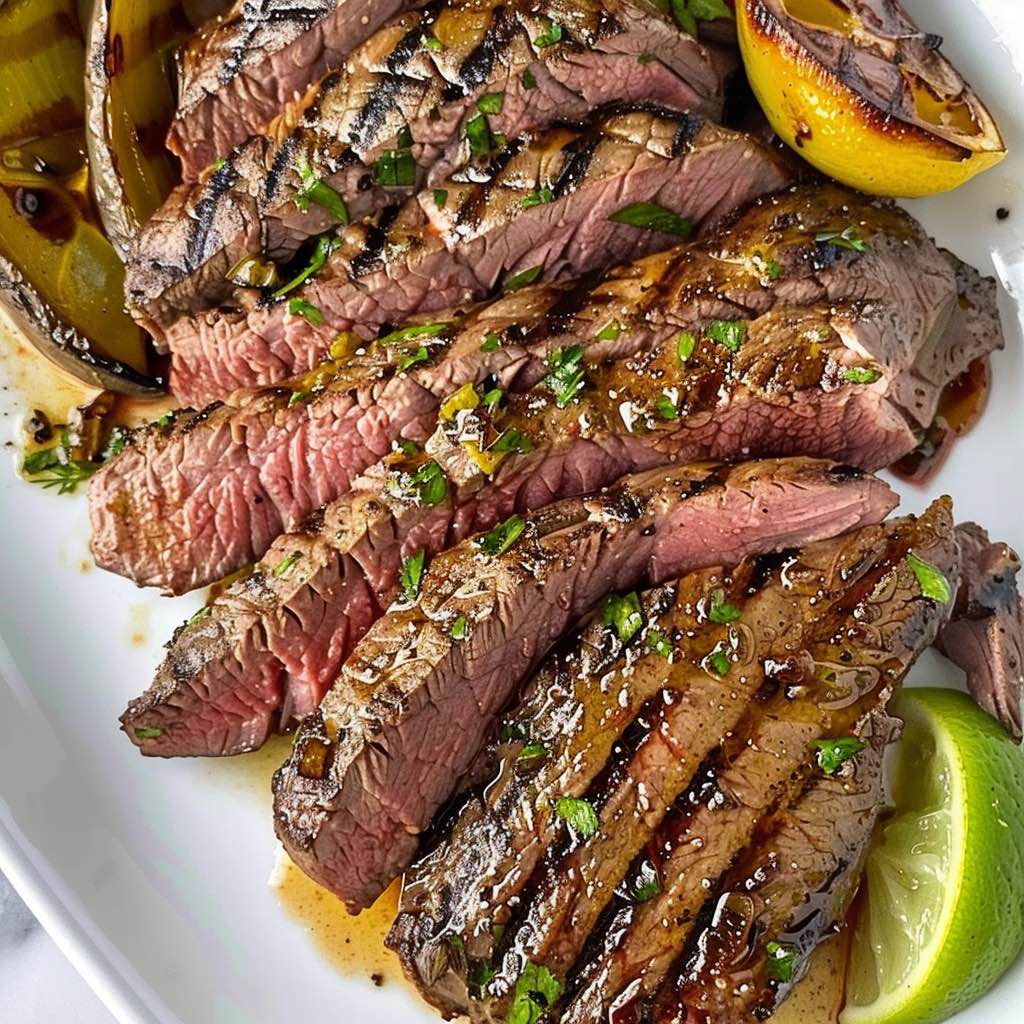
Grilled London Broil: The Ultimate Guide to Tender, Flavorful Beef
What Is London Broil
Grilled London broil represents both a cooking method and a delicious way to prepare lean beef cuts. Despite the name suggesting British origins, this dish is entirely American in creation. The term “London broil” originally referred to marinated flank steak that was broiled and sliced against the grain. Today, butchers commonly label various cuts including top round, flank steak, and sirloin as London broil.
The preparation method defines London broil more than any specific cut. This technique involves marinating tougher, leaner cuts of beef, then cooking them quickly at high heat. The result transforms an affordable cut into a tender, flavorful meal that rivals more expensive steaks.
Why Grilled London Broil Is Perfect for Any Occasion
Grilled London broil offers exceptional value for home cooks seeking restaurant-quality beef. This preparation method delivers impressive flavor without breaking the budget. The high-heat grilling process creates a beautiful char on the outside while keeping the interior perfectly juicy.
Moreover, London broil provides versatility for various meals. Serve it as the centerpiece for dinner, slice it for sandwiches, or add it to salads. The marination process infuses deep flavors throughout the meat, making every bite satisfying.
Understanding the Best Cuts for London Broil
Flank Steak
Flank steak remains the classic choice for grilled London broil. This lean cut features long muscle fibers that run in one direction. Flank steak absorbs marinades exceptionally well and delivers robust beef flavor. The key lies in slicing this cut against the grain after cooking.
Top Round
Top round serves as the most affordable option for London broil. This cut comes from the rear leg of the cow and features a slightly firmer texture than flank steak. Top round benefits greatly from extended marination, which helps break down the muscle fibers. Many butchers specifically label top round as “London broil” at the meat counter.
Sirloin
Sirloin offers more marbling than flank or top round cuts. While less traditional, sirloin works beautifully for grilled London broil when prepared correctly. The additional fat content provides extra flavor and juiciness.
Nutritional Benefits of London Broil
Grilled London broil provides outstanding nutritional value for health-conscious individuals. A four-ounce serving contains approximately 162-173 calories, making it a lean protein choice. Each serving delivers an impressive 24-25 grams of high-quality protein.
The lean nature of London broil means lower fat content compared to ribeye or other well-marbled steaks. Top round London broil contains only about 5 grams of fat per four-ounce serving. This cut also provides essential nutrients including iron, which comprises about 26% of daily value. Additionally, London broil offers significant amounts of potassium and B vitamins.
Choosing grass-fed beef for London broil increases nutritional benefits even further. Grass-fed options contain up to 300% more omega-3 fatty acids and antioxidants compared to grain-fed alternatives.
Essential Tools and Equipment
Grill Setup
A properly heated grill forms the foundation for perfect grilled London broil. Both charcoal and gas grills work excellently for this preparation. Preheat the grill to 450-500 degrees Fahrenheit for optimal searing.
Temperature Measurement
An instant-read meat thermometer ensures precise cooking. This tool prevents overcooking, which can make London broil tough and dry. Check the internal temperature in the thickest part of the meat.
Marination Containers
Use gallon-size ziplock bags or shallow glass baking dishes for marinating. Ziplock bags allow easy coating of the meat and efficient refrigerator storage. Glass dishes work well for longer marination periods.
Additional Tools
Keep tongs handy for flipping the meat without piercing it. A meat tenderizer helps break down tough muscle fibers before marinating. Sharp knives prove essential for slicing the finished London broil against the grain.
The Perfect London Broil Marinade
Classic Soy-Based Marinade
The most popular marinade for grilled London broil combines soy sauce, balsamic vinegar, and olive oil. This combination provides saltiness, acidity, and richness. Add Worcestershire sauce for umami depth. Fresh garlic, minced or pressed, infuses aromatic flavor throughout the meat.
Honey or brown sugar balances the acidic components and promotes caramelization during grilling. Black pepper and red pepper flakes add subtle heat. Dried herbs like Italian seasoning, rosemary, or thyme contribute aromatic complexity.
Citrus-Enhanced Variations
Lemon juice and zest brighten the marinade with fresh acidity. The citrus not only adds flavor but also helps tenderize the meat. Some recipes incorporate lime juice for a different flavor profile.
Marinade Ratios
For a two-pound London broil, combine three-quarters cup soy sauce with two tablespoons each of honey, balsamic vinegar, and Worcestershire sauce. Add two tablespoons lemon juice, one tablespoon minced garlic, and one tablespoon black pepper. Mix all ingredients thoroughly before adding the meat.
Marination Time
Marinate London broil for a minimum of two to four hours. For maximum flavor penetration, marinate overnight or up to twelve hours. However, avoid marinating longer than twenty-four hours, as the meat will begin breaking down excessively.
Place the sealed bag or covered dish in the refrigerator during marination. Flip the meat halfway through the marinating time to ensure even flavor distribution.
Step-by-Step Grilling Instructions
Preparation Phase
Remove the marinated London broil from the refrigerator forty-five minutes to one hour before grilling. Allowing the meat to reach room temperature ensures more even cooking. This step prevents the exterior from overcooking while the center remains cold.
Remove the meat from the marinade and pat it dry with paper towels. Excess moisture on the surface can prevent proper searing. Reserve the marinade if planning to make a sauce.
Grill Preheating
Heat the grill to 450-500 degrees Fahrenheit. This high temperature creates the essential crust on the meat’s exterior. Clean and oil the grill grates to prevent sticking.
Initial Searing
Place the London broil on the grill at a 45-degree angle to the grates. This positioning creates attractive crosshatch grill marks. Sear for four to six minutes without moving the meat.
Flipping and Continuing
After the initial sear, flip the meat using tongs. Avoid piercing the meat with a fork, which releases precious juices. If desired, rotate the meat 90 degrees on the same side before flipping to create crosshatch marks.
Cook the second side for an additional four to six minutes. The exact timing depends on the thickness of the cut and desired doneness.
Monitoring Temperature
Begin checking the internal temperature after the flip. Insert an instant-read thermometer into the thickest part of the meat. For medium-rare, aim for 130-135 degrees Fahrenheit.
If the exterior browns too quickly before reaching the desired internal temperature, move the meat to indirect heat. Close the grill lid and continue cooking until the proper temperature is reached.
Temperature and Doneness Guide
Understanding internal temperatures ensures perfectly cooked grilled London broil every time. For rare London broil, remove from heat at 125 degrees Fahrenheit. This produces a cool red center.
Medium-rare represents the ideal doneness for London broil, achieved at 130-135 degrees Fahrenheit. The meat will display a warm red center and maximum tenderness. Most experts recommend cooking London broil to medium-rare for optimal texture and flavor.
Medium doneness occurs at 145 degrees Fahrenheit, resulting in a pink center. Medium-well reaches 150 degrees Fahrenheit, while well-done measures 160 degrees Fahrenheit. However, cooking London broil beyond medium significantly increases toughness due to the lean nature of the cut.
Remember that meat continues cooking after removal from heat through carryover cooking. Remove the London broil from the grill when it reaches five degrees below your target temperature.
Slicing Techniques for Maximum Tenderness
The Critical Resting Period
Allow grilled London broil to rest for ten minutes after cooking. This resting period enables juices to redistribute throughout the meat. Cutting too soon causes precious moisture to run onto the cutting board.
Place the cooked meat on a cutting board or serving platter during the rest. Tent loosely with aluminum foil to retain heat.
Identifying the Grain
Examine the meat to identify the direction of the muscle fibers, called the grain. The grain appears as parallel lines running through the meat. Proper slicing against these fibers dramatically improves tenderness.
Proper Slicing Technique
Use a sharp knife to slice the London broil. Cut perpendicular to the grain in thin slices, approximately one-quarter inch thick. This technique shortens the muscle fibers, making each bite easier to chew.
Slice at a slight diagonal for more attractive presentation. The thin slices showcase the perfect medium-rare interior while maximizing tenderness.
Common Mistakes to Avoid
Insufficient Marination
Skipping or shortening the marination time represents the most common error. London broil requires adequate marination to become tender. Plan ahead and allow at least four hours, preferably overnight.
Overcooking
Cooking London broil beyond medium results in dry, tough meat. The lean nature of this cut means it lacks the internal fat that keeps other steaks moist when overcooked. Always use a meat thermometer rather than guessing doneness.
Incorrect Slicing
Cutting with the grain instead of against it creates chewy, stringy meat. Take a moment to identify the grain direction before slicing. This simple step makes an enormous difference in the final texture.
Skipping the Rest Period
Cutting into grilled London broil immediately after cooking releases all the juices. Patience during the ten-minute rest ensures moist, flavorful meat.
Using Cold Meat
Placing refrigerator-cold meat directly on the grill leads to uneven cooking. The exterior overcooks before the center reaches the proper temperature. Always allow thirty to forty-five minutes for the meat to warm up.
Best Side Dishes for Grilled London Broil
Potato Options
Creamy garlic mashed potatoes complement the savory flavors of grilled London broil perfectly. Roasted fingerling potatoes tossed with olive oil and garlic provide a buttery accompaniment. Twice-baked potatoes loaded with cheese and bacon create a hearty pairing.
Sweet potato preparations offer a slightly sweet contrast to the beef. Seasoned roasted sweet potatoes deliver comforting flavor. Sweet potato skins make an impressive presentation.
Vegetable Sides
Roasted Brussels sprouts develop caramelized edges that pair beautifully with London broil. Bacon-wrapped green beans add salty, crispy texture. Grilled asparagus provides a light, fresh option.
Roasted sweet bell peppers tossed in garlic and olive oil contribute vibrant color. Mixed grilled vegetables showcase seasonal produce alongside the beef.
Salad Selections
Fall wild rice salad with roasted sweet potatoes and arugula offers refreshing contrast. Avocado, tomato, and corn salad provides bright, fresh flavors. These lighter options balance the richness of the grilled meat.
Check out our guide on [insert link to side dish article] for more serving suggestions.
Storage and Leftover Ideas
Proper Storage
Store leftover grilled London broil in an airtight container in the refrigerator. Properly stored, cooked London broil remains fresh for three to four days. Slice the meat before storing for easier reheating and use in other dishes.
Creative Leftover Uses
Transform leftover London broil into delicious sandwiches. Layer thin slices on crusty bread with horseradish sauce or mustard. Add sliced London broil to salads for a protein boost.
Use leftover meat in tacos, fajitas, or stir-fries. The marinated flavor complements Mexican and Asian preparations. Dice the meat for hearty beef and vegetable soups.
Reheating Tips
Reheat London broil gently to prevent drying out the lean meat. Wrap slices in foil and warm in a 300-degree oven for ten minutes. Alternatively, reheat slices briefly in a skillet with a splash of beef broth to maintain moisture.
Frequently Asked Questions
What is grilled London broil and how is it different from other steaks?
Grilled London broil refers to a cooking method rather than a specific cut of beef. This technique involves marinating lean cuts like flank steak or top round, then cooking them quickly at high heat. Unlike naturally tender cuts such as ribeye or filet mignon, London broil requires marination and proper slicing to achieve tenderness. The preparation method transforms affordable cuts into flavorful, tender meals.
How long should I marinate London broil before grilling?
Marinate London broil for a minimum of four hours, though overnight marination produces the best results. The marinade needs sufficient time to penetrate the meat and break down tough muscle fibers. Maximum marination time should not exceed twenty-four hours, as excessive exposure to acidic ingredients can make the texture mushy. Plan accordingly to allow adequate marination while avoiding over-marination.
Can I cook London broil on a gas grill or do I need charcoal?
Both gas and charcoal grills work excellently for grilled London broil. The key factor is achieving high heat of 450-500 degrees Fahrenheit, which both grill types can provide. Gas grills offer convenience and easy temperature control. Charcoal grills contribute a subtle smoky flavor that enhances the beef. Choose whichever grill type suits personal preference and availability.
Why is it important to slice London broil against the grain?
Slicing against the grain shortens the muscle fibers, making each bite significantly more tender. The “grain” refers to the direction of the muscle fibers running through the meat. Cutting perpendicular to these fibers breaks them into shorter pieces that are easier to chew. Slicing with the grain instead of against it results in chewy, stringy texture even when the meat is cooked perfectly.
What internal temperature should grilled London broil reach?
For optimal tenderness and flavor, cook grilled London broil to medium-rare at 130-135 degrees Fahrenheit. This temperature produces a warm red center and maximum juiciness. Cooking beyond medium (145 degrees Fahrenheit) significantly increases toughness due to the lean nature of the cut. Always use a meat thermometer inserted into the thickest part to ensure accurate temperature reading.
Can I prepare London broil without a grill?
Yes, London broil can be prepared using an oven broiler as an alternative to grilling. Preheat the broiler to high heat and position the oven rack close to the heating element. Place the marinated meat on a broiler pan and cook for approximately six to seven minutes per side. The broiler method produces similar results to grilling with high direct heat.
How thick should London broil be for grilling?
London broil should measure less than one inch thick for optimal grilling results. Thicker cuts risk burning on the exterior before the interior cooks properly. If the meat is unevenly thick, use a meat tenderizer to pound it to uniform thickness before marinating. Consistent thickness ensures even cooking throughout the cut.
Is London broil a healthy protein choice?
Grilled London broil offers excellent nutritional value as a lean protein source. A four-ounce serving contains only 162-173 calories with 24-25 grams of protein. The low fat content, approximately 5 grams per serving, makes it healthier than well-marbled steaks. London broil also provides essential nutrients including iron and B vitamins.
Conclusion
Grilled London broil delivers restaurant-quality results at an affordable price when prepared correctly. This versatile cooking method transforms lean cuts like flank steak and top round into tender, flavorful meals. The combination of proper marination, high-heat grilling, and slicing against the grain produces consistently delicious results.
Success with grilled London broil relies on several key factors. Marinate the meat for at least four hours to maximize tenderness and flavor. Grill at high temperature for a beautiful crust while maintaining a juicy interior. Cook to medium-rare at 130-135 degrees Fahrenheit for optimal texture. Allow the meat to rest for ten minutes before slicing thinly against the grain.
The nutritional benefits make grilled London broil an excellent choice for health-conscious cooks. With only 162 calories and 24 grams of protein per four-ounce serving, this lean cut supports various dietary goals. Pair it with roasted vegetables, fresh salads, or classic potato sides for a complete meal.
Ready to master the art of grilled London broil? Save this recipe and fire up your grill tonight for a delicious, budget-friendly dinner that will impress family and friends.
Print
Grilled London Broil
Description
Grilled London Broil
Ingredients:
-
2 lbs London broil (top round steak)
-
¼ cup olive oil
-
¼ cup soy sauce
-
2 tablespoons balsamic vinegar
-
2 tablespoons Worcestershire sauce
-
2 tablespoons lemon juice
-
3 garlic cloves, minced
-
1 tablespoon brown sugar
-
1 teaspoon Dijon mustard
-
1 teaspoon black pepper
-
1 teaspoon salt
-
1 teaspoon dried oregano
-
½ teaspoon crushed red pepper flakes (optional)
Instructions:
-
Marinate the steak:
In a bowl or ziplock bag, whisk together olive oil, soy sauce, balsamic vinegar, Worcestershire sauce, lemon juice, garlic, brown sugar, Dijon, and seasonings.
Add steak and marinate for at least 4 hours (overnight for best flavor). -
Preheat the grill:
Heat grill to medium-high (about 450°F / 230°C).
Remove steak from marinade and pat dry with paper towels. Discard marinade. -
Grill:
Place steak on grill and cook for 4–6 minutes per side, depending on thickness, until internal temperature reaches:-
130°F (54°C) for medium-rare
-
140°F (60°C) for medium
-
-
Rest:
Transfer to a cutting board, tent loosely with foil, and rest for 10 minutes to lock in juices. -
Slice and serve:
Slice against the grain into thin strips for maximum tenderness.