Maple Brown Sugar Glazed Carrots: The Ultimate Sweet and Savory Side Dish
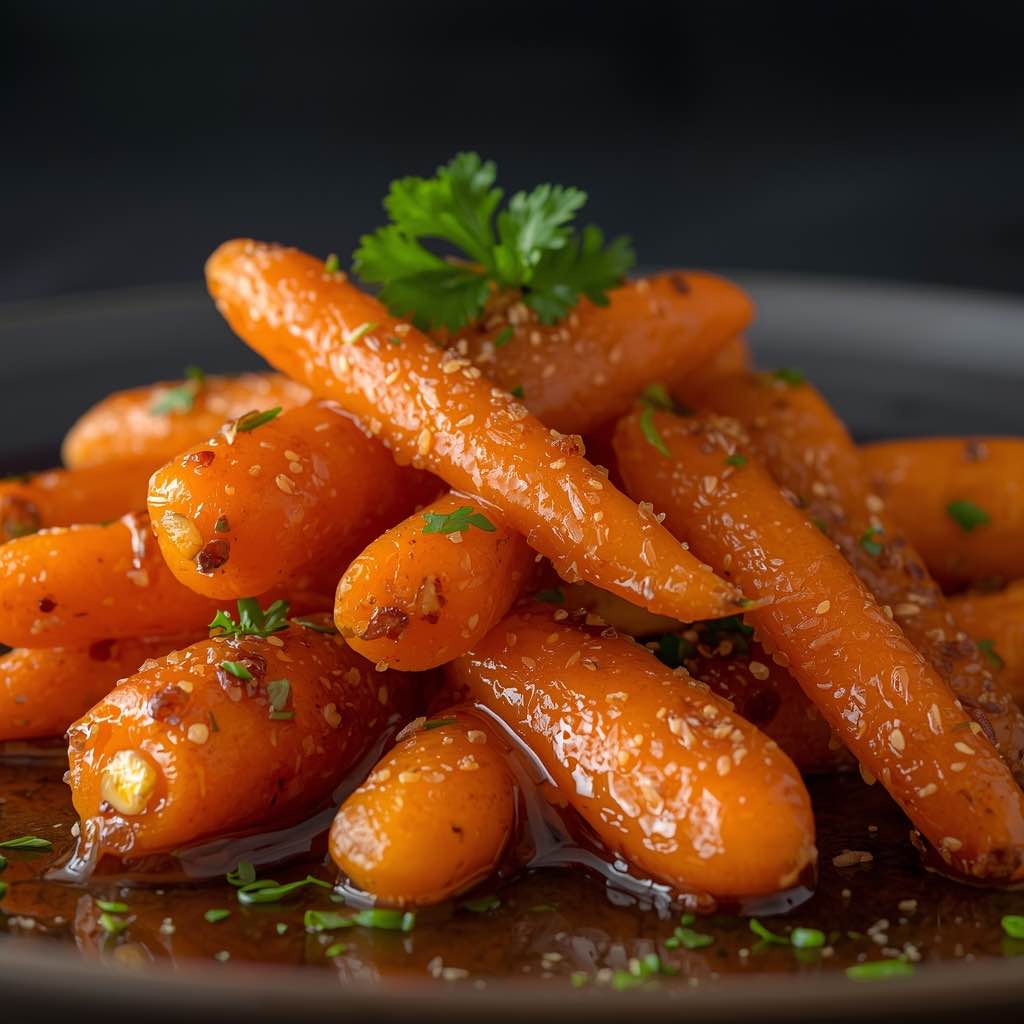
If you’re looking for a simple yet impressive side dish, Maple Brown Sugar Glazed Carrots are the perfect choice. This recipe transforms ordinary carrots into a caramelized, tender delight that pairs beautifully with any meal. The natural sweetness of maple syrup combined with rich brown sugar creates a glaze that’s both elegant and comforting. Whether you’re preparing a holiday feast or a weeknight dinner, these glazed carrots will quickly become a family favorite.
Why Maple Brown Sugar Glazed Carrots Are Perfect for Any Occasion
Maple brown sugar glazed carrots offer the ideal balance of sweet and savory flavors. The natural earthiness of carrots complements the caramel notes from brown sugar perfectly. Meanwhile, pure maple syrup adds depth and complexity that refined sugar simply cannot match.
This dish works wonderfully for several reasons. First, it requires minimal preparation time. Second, the ingredient list is straightforward and accessible. Third, the presentation looks sophisticated despite the simple cooking method. The glossy glaze catches the light beautifully on any dinner table.
These glazed carrots also accommodate various dietary preferences easily. They’re naturally vegetarian and can be made vegan with simple butter substitutions. The recipe contains no common allergens beyond dairy, which is easily modified. Additionally, the dish is gluten-free, making it suitable for guests with celiac disease or gluten sensitivities.
The History Behind Glazed Carrots
Glazed vegetables have appeared in culinary traditions worldwide for centuries. European cooks developed techniques for caramelizing root vegetables during the Renaissance period. American home cooks adopted these methods, incorporating locally available sweeteners like maple syrup.
The combination of maple syrup and brown sugar represents a distinctly North American approach. Maple syrup production has deep roots in indigenous traditions across Canada and the northeastern United States. According to the USDA National Agricultural Library, maple syrup remains an important agricultural product in these regions.
Essential Ingredients for Perfect Glazed Carrots
Creating exceptional maple brown sugar glazed carrots requires quality ingredients. Each component plays a specific role in achieving the perfect texture and flavor profile.
Carrots
Choose fresh, firm carrots without soft spots or wilting. Medium-sized carrots work best because they cook evenly. Baby carrots offer convenience but may cook too quickly. Rainbow carrots add visual interest with their purple, yellow, and white hues.
Look for carrots with bright orange color and smooth skin. Fresh carrots should snap cleanly when bent. Avoid carrots with cracks, splits, or excessive rootlets. Organic carrots often have superior flavor due to better soil conditions.
Maple Syrup
Pure maple syrup is essential for authentic flavor. Avoid pancake syrups containing artificial maple flavoring and corn syrup. Grade A Dark Amber maple syrup provides robust flavor that stands up to cooking. Grade A Golden has a more delicate taste that some cooks prefer.
The International Maple Syrup Institute notes that pure maple syrup contains beneficial antioxidants and minerals. Store opened maple syrup in the refrigerator to prevent mold growth. Quality maple syrup significantly impacts the final dish’s taste.
Brown Sugar
Light brown sugar creates a milder caramel flavor. Dark brown sugar offers deeper molasses notes and richer color. Either variety works well in this recipe. Some cooks prefer mixing both types for complexity.
Brown sugar should be soft and moist when purchased. Hard, dried brown sugar won’t dissolve properly in the glaze. Store brown sugar in an airtight container with a slice of bread to maintain moisture.
Butter
Unsalted butter allows better control over the dish’s salt content. European-style butter with higher fat content creates a richer glaze. For dairy-free versions, use plant-based butter or coconut oil.
Butter adds essential richness and helps the glaze coat the carrots evenly. It also contributes to the beautiful glossy finish. Quality butter makes a noticeable difference in the final result.
Additional Seasonings
Salt enhances all the flavors in the dish. Use fine sea salt or kosher salt according to preference. Black pepper adds subtle heat without overwhelming the sweetness. Fresh herbs like thyme or rosemary complement the maple flavor beautifully.
Ground cinnamon, nutmeg, or ginger can add warmth to the glaze. Use these spices sparingly to avoid overpowering the maple and brown sugar. A small amount of vanilla extract enhances sweetness perception without adding sugar.
Step-by-Step Instructions for Maple Glazed Carrots
Follow these detailed instructions to create perfectly glazed carrots every time. Proper technique ensures even cooking and optimal glaze consistency.
Preparation Phase
Start by washing the carrots thoroughly under cool running water. Scrub the skins gently with a vegetable brush to remove dirt. Peel the carrots if desired, though this step is optional for organic carrots.
Cut the carrots into uniform pieces for even cooking. Diagonal slices approximately half an inch thick work well. Alternatively, cut carrots into sticks or leave baby carrots whole. Consistent sizing prevents some pieces from overcooking while others remain underdone.
Cooking the Carrots
Place the prepared carrots in a large skillet with a heavy bottom. Add enough water to come halfway up the carrots. Season with a pinch of salt to enhance flavor during cooking.
Bring the water to a boil over medium-high heat. Reduce heat to maintain a steady simmer. Cook the carrots uncovered for 8 to 10 minutes. Test for doneness by piercing with a fork; they should be tender but not mushy.
Drain the carrots completely and return them to the dry skillet. This step removes excess moisture that would dilute the glaze. Pat the carrots dry with paper towels if needed.
Creating the Glaze
Add butter to the skillet with the drained carrots over medium heat. Allow the butter to melt completely, coating the carrots. The butter creates a base for the glaze to adhere to.
Sprinkle brown sugar evenly over the buttered carrots. Stir gently to distribute the sugar. The sugar will begin dissolving and forming a syrup with the butter.
Drizzle maple syrup over the carrots and stir to combine. Continue cooking for 3 to 5 minutes, stirring frequently. The liquid will reduce and thicken into a glossy glaze. The carrots should be completely coated and glistening.
Final Touches
Season the glazed carrots with additional salt and black pepper to taste. Fresh herbs can be added at this stage for extra flavor. Thyme pairs exceptionally well with maple glazed carrots.
Transfer the carrots to a serving dish while still hot. The glaze will continue to thicken slightly as it cools. Serve immediately for the best texture and appearance.
Pro Tips for Achieving Restaurant-Quality Results
Professional chefs use several techniques to elevate simple glazed carrots. These tips help home cooks achieve restaurant-quality results consistently.
Temperature Control
Maintain medium heat throughout the glazing process. High heat causes the sugar to burn before the glaze forms properly. Low heat prevents proper caramelization and flavor development. The glaze should bubble gently but not vigorously.
Use a heavy-bottomed skillet for even heat distribution. Thin pans create hot spots that burn the glaze in some areas. Cast iron or stainless steel skillets work best for this recipe.
Glaze Consistency
The perfect glaze coats the back of a spoon without dripping off immediately. If the glaze seems too thin, continue cooking for another minute or two. If it becomes too thick, add a tablespoon of water to thin it.
Remember that the glaze thickens as it cools. Remove the carrots from heat when the glaze seems slightly thinner than desired. This prevents the glaze from becoming sticky or hard.
Carrot Selection and Preparation
Choose carrots of similar diameter for uniform cooking. Larger carrots can be cut lengthwise before slicing to match smaller carrot sizes. This attention to detail ensures every piece cooks perfectly.
Room temperature carrots cook more evenly than cold carrots straight from the refrigerator. Remove carrots from the fridge 15 minutes before cooking. This small step makes a noticeable difference in texture.
Maple Syrup Quality
Invest in high-quality pure maple syrup for the best flavor. The difference between pure maple syrup and imitation syrup is significant. Pure maple syrup has complex flavor notes that artificial versions cannot replicate.
Grade A Dark Amber or Very Dark maple syrup provides the strongest maple flavor. These grades stand up well to the cooking process. Lighter grades work but produce a more subtle maple taste.
Nutritional Benefits of Carrots
Carrots offer impressive nutritional value beyond their delicious taste. Understanding these benefits may encourage more frequent carrot consumption.
Vitamin A and Beta-Carotene
Carrots are exceptionally rich in beta-carotene, which the body converts to vitamin A. One medium carrot provides more than 200% of the daily recommended vitamin A intake. Vitamin A supports healthy vision, immune function, and skin health.
The National Institutes of Health recognizes vitamin A as essential for maintaining healthy eyes. Beta-carotene acts as an antioxidant, protecting cells from damage. Cooking carrots actually increases beta-carotene availability for absorption.
Fiber Content
Carrots provide both soluble and insoluble fiber. This dietary fiber supports digestive health and promotes feelings of fullness. One cup of cooked carrots contains approximately 5 grams of fiber.
Fiber helps regulate blood sugar levels by slowing carbohydrate absorption. It also supports cardiovascular health by helping to lower cholesterol. The fiber in carrots feeds beneficial gut bacteria.
Vitamins and Minerals
Beyond vitamin A, carrots contain significant amounts of vitamin K, potassium, and vitamin B6. Vitamin K supports bone health and proper blood clotting. Potassium helps regulate blood pressure and supports heart function.
Carrots also provide smaller amounts of vitamin C, folate, and manganese. These micronutrients support various bodily functions. The combination of nutrients makes carrots a valuable addition to any diet.
Antioxidant Properties
Carrots contain multiple antioxidant compounds including alpha-carotene, lutein, and polyacetylenes. These compounds help protect against cellular damage from free radicals. Regular consumption of antioxidant-rich foods may reduce disease risk.
The antioxidants in carrots have been studied for their potential protective effects. Research suggests they may support eye health, cardiovascular health, and immune function. Incorporating carrots into your diet regularly provides these potential benefits.
Common Mistakes to Avoid
Understanding common pitfalls helps ensure success with maple brown sugar glazed carrots. Avoid these mistakes for consistently excellent results.
Overcooking the Carrots
Mushy carrots cannot hold the glaze properly and lack appealing texture. Cook carrots only until fork-tender with slight resistance. They will continue cooking slightly in the hot glaze.
Test carrots frequently during the initial cooking phase. Different carrot sizes and ages require varying cooking times. Fresh, young carrots cook faster than older, larger carrots.
Using Too Much Liquid
Excess liquid dilutes the glaze and prevents proper caramelization. Drain carrots thoroughly after the initial cooking. Any water clinging to the carrots interferes with glaze adhesion.
If the glaze seems watery after adding all ingredients, continue cooking to evaporate excess moisture. The reduction process concentrates flavors and creates the proper consistency.
Burning the Sugar
High heat causes sugar to burn quickly, creating bitter flavors. Always use medium or medium-low heat when making the glaze. Stir constantly once sugar is added to prevent hot spots.
If you notice dark brown or black spots forming, reduce heat immediately. Burnt sugar cannot be salvaged and ruins the entire dish. Patience produces better results than rushing.
Insufficient Seasoning
Sweetness alone does not create balanced flavor. Salt enhances all the other flavors in the dish. Add salt gradually, tasting as you go.
Black pepper adds subtle complexity that elevates the dish. Fresh herbs provide aromatic notes that complement the sweet glaze. Don’t skip seasoning steps.
Serving Suggestions and Pairing Ideas
Maple brown sugar glazed carrots complement numerous main dishes and occasions. Consider these pairing suggestions for your next meal.
Holiday Dinners
These glazed carrots shine as a holiday side dish. They pair beautifully with roasted turkey, ham, or prime rib. The sweet glaze balances savory meat flavors perfectly.
The dish’s elegant appearance makes it suitable for formal dinners. The glossy glaze catches candlelight beautifully on a holiday table. Prepare a double batch for large gatherings; these carrots disappear quickly.
Weeknight Meals
Glazed carrots elevate simple weeknight dinners effortlessly. They complement roasted chicken, pork chops, or grilled fish. The quick preparation time fits busy schedules.
The colorful presentation adds visual appeal to everyday meals. Children often enjoy the mild sweetness of these carrots. This recipe may help encourage vegetable consumption among picky eaters.
Vegetarian Menus
Pair maple glazed carrots with grain-based dishes for satisfying vegetarian meals. They complement quinoa pilaf, wild rice, or barley dishes beautifully. The carrots add sweetness that balances earthy grains.
These carrots also pair well with legume-based entrees. Serve alongside lentil loaf, chickpea curry, or black bean burgers. The sweet glaze provides flavor contrast.
Complementary Side Dishes
Create a complete meal by serving these carrots with additional sides. Roasted Brussels sprouts provide a slightly bitter contrast. Mashed potatoes offer comforting starch alongside the sweet carrots.
Green bean casserole creates a classic combination. Dinner rolls soak up any extra glaze beautifully. Consider your guests’ preferences when planning the complete menu.
Check out our guide on [roasted vegetable side dishes] for more inspiration.
Storage and Reheating Guidelines
Proper storage maintains the quality of leftover maple brown sugar glazed carrots. Follow these guidelines for best results.
Refrigerator Storage
Transfer cooled glazed carrots to an airtight container. Store in the refrigerator for up to 4 days. The glaze may thicken considerably when cold.
Glass containers work well for storage as they don’t absorb flavors. Avoid stacking heavy items on top of the container to prevent crushing. Label the container with the date for easy reference.
Freezing Instructions
Glazed carrots can be frozen for up to 3 months. Allow carrots to cool completely before freezing. Transfer to freezer-safe containers or bags, removing as much air as possible.
The texture may soften slightly after freezing and thawing. However, the flavor remains excellent. Freeze in portion-sized amounts for convenient thawing.
Reheating Methods
Reheat glazed carrots gently to prevent overcooking. The stovetop method provides the best results. Place carrots in a skillet over medium-low heat with a splash of water.
Stir occasionally until heated through, about 5 minutes. The water helps reconstitute the glaze. Add a small pat of butter for extra richness if desired.
Microwave reheating works for convenience. Place carrots in a microwave-safe dish with a damp paper towel over the top. Heat in 30-second intervals, stirring between each, until hot.
Make-Ahead Tips
Prepare the initial cooking phase up to 1 day ahead. Cook and drain the carrots, then refrigerate. Complete the glazing process just before serving.
This approach saves time during busy meal preparation. The flavors may actually deepen slightly with the resting period. Ensure carrots are thoroughly reheated before adding the glaze components.
Creative Variations to Try
Experiment with these variations to customize maple brown sugar glazed carrots. Each modification creates a unique flavor profile.
Spiced Version
Add warm spices for a more complex flavor. Ground cinnamon, nutmeg, or ginger complement maple beautifully. Use approximately 1/4 teaspoon of spice per pound of carrots.
Cardamom provides exotic warmth that pairs surprisingly well with maple. Star anise adds licorice notes for adventurous palates. Start with small amounts and adjust to taste.
Citrus Twist
Fresh orange zest brightens the sweet glaze considerably. Add the zest of one orange during the glazing process. Orange juice can replace a portion of the maple syrup.
Lemon zest provides a different flavor profile with more tartness. A squeeze of fresh lemon juice at the end balances sweetness. Citrus notes make the dish feel lighter.
Nutty Addition
Toasted pecans or walnuts add textural contrast and richness. Chop nuts roughly and sprinkle over finished carrots. The nuts provide satisfying crunch against tender carrots.
Toast nuts in a dry skillet before adding for enhanced flavor. Almonds offer a more delicate nutty taste. Cashews provide buttery richness that complements the glaze.
Herb Variations
Fresh thyme is classic, but other herbs work wonderfully too. Rosemary provides a pine-like aroma that pairs well with maple. Use rosemary sparingly as its flavor is strong.
Fresh sage creates an autumn-inspired flavor combination. Tarragon offers an unexpected anise-like note. Experiment with different herbs to discover your favorite pairing.
Honey Glazed Option
Replace maple syrup with honey for a different sweetness profile. Honey creates a slightly thicker glaze with floral notes. This variation works particularly well with rainbow carrots.
Combine honey and maple syrup in equal parts for complexity. This hybrid approach offers the best of both sweeteners. The result is uniquely delicious.
Frequently Asked Questions
Can I use baby carrots for this recipe?
Yes, baby carrots work well for maple brown sugar glazed carrots. They require slightly less cooking time due to their smaller size. Monitor closely to prevent overcooking.
Do I need to peel the carrots?
Peeling is optional and depends on personal preference. Organic carrots often have tender skins that don’t require peeling. Simply scrub them well instead. Conventional carrots benefit from peeling to remove any pesticide residue.
Can I make these carrots dairy-free?
Absolutely. Replace butter with plant-based butter or coconut oil. The recipe works perfectly with these substitutions. Coconut oil adds subtle tropical notes that complement maple syrup.
How do I prevent the glaze from crystallizing?
Crystallization occurs when sugar concentration is too high. Keep the heat moderate and stir constantly. Adding a small amount of water helps prevent crystallization. Corn syrup prevents crystallization but changes the flavor profile.
Can I prepare maple glazed carrots in advance?
You can partially prepare them ahead of time. Cook the carrots and store them refrigerated. Complete the glazing process just before serving for best results. The glaze thickens excessively when reheated from fully prepared state.
What’s the best type of carrot to use?
Medium-sized, fresh carrots with good color work best. Avoid carrots with cracks, soft spots, or wilting. Farm-fresh carrots often have superior flavor and texture. Choose carrots that are firm and bright orange.
How can I make the glaze thicker?
Continue cooking to reduce the liquid further. The glaze thickens as moisture evaporates. You can also add a teaspoon of cornstarch mixed with water. This creates a thicker consistency quickly without additional cooking.
Can I use carrot coins instead of sticks?
Yes, cutting carrots into rounds works perfectly well. Ensure all coins are approximately the same thickness. This guarantees even cooking throughout the batch. Diagonal cuts create more interesting shapes than straight rounds.
Conclusion
Maple brown sugar glazed carrots transform a simple vegetable into an extraordinary side dish. The combination of pure maple syrup and brown sugar creates a luxurious glaze that elevates any meal. This recipe’s versatility makes it perfect for both special occasions and everyday dinners.
The straightforward preparation process ensures success even for beginner cooks. Meanwhile, the impressive presentation suggests more effort than actually required. These carrots deliver restaurant-quality results in your home kitchen.
The nutritional benefits of carrots make this sweet side dish a relatively healthy choice. Beta-carotene, fiber, and various vitamins contribute to overall wellness. The moderate sweetness satisfies dessert cravings while providing vegetable servings.
Experiment with the suggested variations to keep this recipe interesting. Different spices, herbs, and additions create endless possibilities. Each variation offers a new taste experience while maintaining the core appeal.
Ready to try this delicious recipe? Gather your ingredients and start cooking today. These maple brown sugar glazed carrots will quickly become a requested favorite at your table.
Print
Maple Brown Sugar Glazed Carrots
Description
Maple Brown Sugar Glazed Carrots
Ingredients:
-
2 lbs carrots, peeled and cut into 2-inch pieces (or use baby carrots)
-
3 tablespoons unsalted butter
-
3 tablespoons brown sugar
-
2 tablespoons pure maple syrup
-
½ teaspoon salt
-
¼ teaspoon black pepper
-
Optional: a pinch of cinnamon or nutmeg for warmth
-
Fresh parsley, chopped (for garnish)
Instructions:
-
Cook the carrots:
Bring a large pot of salted water to a boil. Add the carrots and cook for 6–8 minutes, until tender but not mushy. Drain well. -
Make the glaze:
In a large skillet over medium heat, melt the butter. Stir in the brown sugar, maple syrup, salt, and pepper. Cook for about 2–3 minutes, until the mixture is bubbly and slightly thickened. -
Glaze the carrots:
Add the drained carrots to the skillet and toss to coat evenly in the glaze. Continue cooking for 3–4 minutes, stirring occasionally, until the carrots are glossy and caramelized. -
Serve:
Transfer to a serving dish, spoon the glaze over the top, and garnish with chopped parsley.