Garlic Butter Roasted Potatoes: The Ultimate Crispy Side Dish
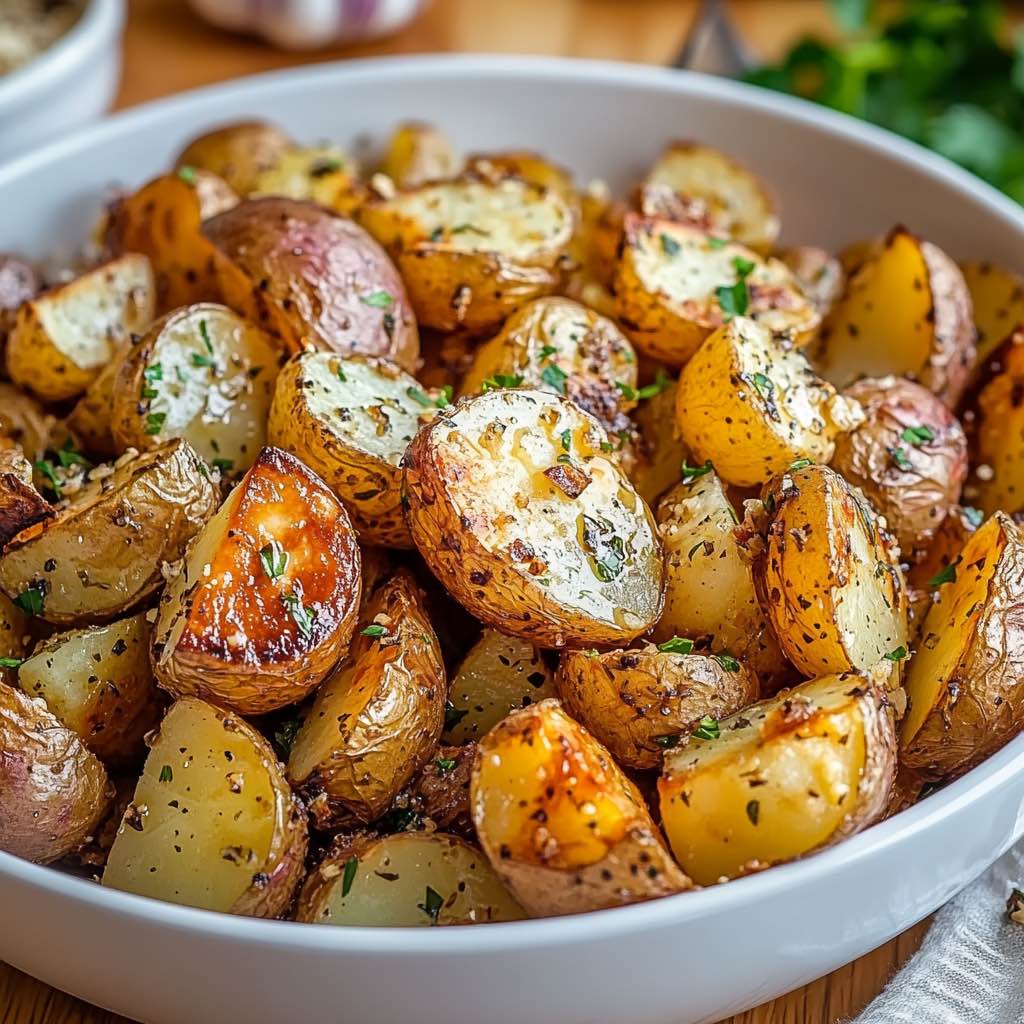
Garlic butter roasted potatoes deliver the perfect combination of crispy golden exteriors and fluffy, tender centers that everyone loves. This simple yet impressive side dish transforms basic potatoes into a restaurant-quality meal with just a handful of ingredients. Whether preparing a weeknight dinner or hosting a special celebration, these crispy roasted potatoes with rich garlic butter will become a staple in the kitchen.
Why Garlic Butter Roasted Potatoes Are So Popular
This beloved side dish has earned its place on dinner tables worldwide. The combination of roasted potatoes with garlic butter creates an irresistible flavor profile. Furthermore, the recipe uses only five basic ingredients that most kitchens already have on hand.
The texture contrast makes these potatoes truly special. The exterior becomes wonderfully crispy and golden brown during roasting. Meanwhile, the interior remains soft and fluffy, creating the perfect bite every time.
Additionally, this recipe works for all seasons and occasions. These potatoes complement everything from casual weeknight meals to elegant holiday gatherings. The versatility and affordability of potatoes make them accessible to everyone.
Health Benefits of Potatoes and Garlic
Nutritional Value of Potatoes
Potatoes offer impressive nutritional benefits that support a healthy diet. They contain significant amounts of vitamin C and potassium. Moreover, potatoes provide vitamin B6, which supports various bodily functions.
These versatile vegetables are naturally low in calories. Potatoes contain no fat or cholesterol and are sodium-free. They also provide dietary fiber, especially when the skin is left on.
The fiber content helps with satiety and fullness. This quality can reduce cravings and prevent overeating throughout the day. Consequently, potatoes can fit into a balanced eating plan when prepared with mindful cooking methods.
Garlic’s Nutritional Properties
Garlic brings remarkable health benefits to this dish. It contains powerful antioxidants that protect the body from free radicals. These compounds also help reduce inflammation throughout the body.
The compound allicin in garlic may support metabolism. This can potentially aid in maintaining healthy weight management. Furthermore, garlic enhances the flavor of dishes naturally without adding significant calories.
Combined Benefits
Together, potatoes and garlic create a nutrient-rich side dish. The combination provides energy from healthy fats when using quality butter. This pairing supports cell function while delivering satisfying flavor.
Essential Ingredients
Primary Ingredients
Baby Potatoes or Fingerlings: Choose baby potatoes or fingerling varieties for best results. If potatoes vary in size, cut larger ones to ensure even cooking. Russet potatoes, Yukon gold, Maris Piper, King Edward, or Agria varieties also work excellently.
Unsalted Butter: Use unsalted butter to control sodium levels. The butter can be cold or at room temperature since it will be melted. High-quality butter enhances the overall flavor significantly.
Fresh Garlic Cloves: Fresh garlic is essential for this recipe. Start with three cloves and adjust according to taste preferences. Minced garlic distributes flavor evenly throughout the dish.
Fresh Parsley: Chopped fresh parsley adds color and freshness. This herb complements the rich garlic butter perfectly. Use about two tablespoons for optimal flavor balance.
Salt: Regular table salt or kosher salt works well. Salt enhances the natural potato flavor and seasons the garlic butter.
Optional Ingredients
Olive Oil or Neutral Oil: Adding oil helps achieve maximum crispiness. Use olive oil, avocado oil, or vegetable oil based on preference. Oil also prevents the potatoes from sticking to the baking sheet.
Additional Seasonings: Black pepper adds subtle heat. Onion powder contributes savory depth. Paprika provides color and mild flavor. Cajun seasoning offers a spicy kick for variation.
Fresh Herbs: Thyme, rosemary, or other herbs can complement the garlic butter. These additions create aromatic variations on the classic recipe.
Baking Soda: This secret ingredient helps achieve extra crispiness. Adding a small amount to the boiling water breaks down potato surfaces. This technique is recommended by culinary experts for optimal texture.
Equipment Needed
Essential Tools
Large pot for boiling potatoes
Colander for draining
Mixing bowls (large and medium)
Baking sheet or roasting pan
Parchment paper or aluminum foil
Sharp knife and cutting board
Measuring cups and spoons
Helpful Additional Tools
Clean tea towel for steam-drying
Ice bath bowl (optional but recommended)
Potato masher (for smashed potato variations)
Garlic press or microplane
Kitchen timer
Step-by-Step Cooking Instructions
Preparation Phase
Step 1: Prepare the Potatoes
Begin by rinsing and cleaning the baby potatoes thoroughly. Cut any larger potatoes into halves or quarters to match smaller ones. This ensures even cooking throughout. Pat the potatoes dry with a clean towel.
Step 2: Start Boiling Water
Fill a large pot with water and bring it to a rolling boil. Add a generous pinch of salt to the water. For extra crispy results, add half a teaspoon of baking soda. The alkaline water will help break down potato surfaces.
Step 3: Parboil the Potatoes
Add the prepared potatoes to the boiling water. Cook them for 10 to 15 minutes until fork-tender. The potatoes should be cooked but not falling apart. This parboiling step is crucial for achieving the perfect texture.
Achieving Maximum Crispiness
Step 4: Drain and Dry
Drain the potatoes in a colander immediately after cooking. For best results, shock them in an ice bath to stop the cooking process. Then dry them thoroughly, as moisture prevents crispiness.
Place the colander back over the empty pot. Cover the potatoes with a clean tea towel. This absorbs steam and allows them to dry for 10 to 15 minutes. This steam-drying technique is essential for crispy exteriors.
Step 5: Preheat the Oven
While potatoes are drying, preheat the oven to 400°F to 425°F. Prepare baking sheets by lining them with parchment paper. Lightly oil the surface to prevent sticking. The hot oven temperature ensures proper roasting and crisping.
Step 6: Season the Potatoes
Return the dried potatoes to a large bowl. Add neutral oil, salt, onion powder, and desired seasonings. Gently toss to coat all potatoes evenly. Alternatively, shake them in the pot to create rough, craggy edges. These uneven surfaces create extra crispy bits during roasting.
Roasting Process
Step 7: Arrange on Baking Sheet
Transfer seasoned potatoes to the prepared baking sheet. Arrange them in a single layer with cut sides facing down. Ensure adequate space between each potato for proper heat circulation. Overcrowding causes steaming instead of roasting.
Step 8: First Roasting Period
Place the baking sheet in the preheated oven. Roast for 25 to 30 minutes without disturbing. The potatoes will develop a golden-brown crust on the bottom.
Step 9: Flip and Continue Roasting
Remove the pan and flip or toss the potatoes carefully. Return them to the oven for another 15 to 20 minutes. Continue roasting until they are golden brown and crispy all over. Total roasting time typically ranges from 40 to 50 minutes.
Garlic Butter Preparation
Step 10: Make the Garlic Butter
While potatoes roast, prepare the garlic butter sauce. Melt butter with a small amount of olive oil in a pan over medium heat. Add minced garlic and cook for 3 to 4 minutes, stirring frequently.
Cook the garlic until it becomes fragrant and soft. Be careful not to burn it, as burnt garlic tastes bitter. The garlic should cook until just before turning golden brown.
Remove the pan from heat immediately. Stir in additional seasonings like salt, pepper, paprika, and sugar if desired. Mix until all ingredients are well combined.
Final Assembly
Step 11: Combine Potatoes with Garlic Butter
Once potatoes are perfectly crispy and golden, remove them from the oven. Transfer them to a serving bowl or leave them on the baking sheet. Pour the prepared garlic butter over the hot potatoes.
Toss gently to coat all potatoes with the aromatic garlic butter. Alternatively, drizzle the garlic butter over the potatoes for presentation. Garnish with fresh minced parsley for color and freshness.
Step 12: Serve Immediately
Serve these garlic butter roasted potatoes while they’re hot. The contrast between crispy exteriors and fluffy interiors is best enjoyed fresh. These potatoes pair wonderfully with numerous main dishes.
The Secret to Perfectly Crispy Potatoes
Pre-Cooking Techniques
Parboiling stands as the most critical step for crispy potatoes. Professional chefs unanimously agree that this technique is essential. Boiling potatoes for five minutes softens them and removes excess starch. This accelerates roasting time and improves final texture.
The ice bath shock method stops cooking immediately. This prevents potatoes from becoming mushy or overcooked. Thorough drying after boiling removes surface moisture that would prevent crisping.
The Baking Soda Secret
Adding baking soda to boiling water creates alkaline conditions. This breaks down the potato surface, creating a rough texture. These rough edges become extra crispy during roasting. Although it sounds unusual, this technique consistently delivers outstanding results.
Proper Pan Arrangement
Spacing potatoes correctly on the baking sheet is crucial. Overcrowding prevents proper heat circulation around each potato. When potatoes sit too close together, they steam instead of roast. Always use multiple baking sheets if necessary to maintain adequate spacing.
Positioning potatoes cut-side down maximizes contact with the hot pan. This creates maximum browning and caramelization. The Maillard reaction develops deep, complex flavors during this process.
Temperature Control
High oven temperatures are essential for crispy potatoes. Roasting at 400°F to 425°F creates the ideal environment. Lower temperatures result in soft potatoes that lack the desired crunch. Preheating the baking sheet with fat creates an immediate sizzle when potatoes hit the pan.
Fat Selection
The type of fat used significantly impacts crispiness. Vegetable oil provides consistent results for everyday cooking. For special occasions, mixing oils with other fats creates exceptional flavor. The key is ensuring enough fat to prevent sticking while promoting browning.
Variations and Flavor Combinations
Herb Variations
Rosemary Garlic Potatoes: Add fresh rosemary sprigs to the garlic butter. The pine-like aroma complements the garlic beautifully. Rosemary pairs especially well with roasted vegetables and proteins.
Thyme and Garlic Potatoes: Fresh thyme leaves create an earthy, subtle flavor. Distribute thyme evenly over the potatoes before the final roasting period. This herb works wonderfully in autumn and winter dishes.
Mixed Herb Potatoes: Combine parsley, chives, dill, and basil for a fresh herb medley. This combination adds vibrant color and complex flavors. Fresh herbs should be added after roasting to preserve their bright taste.
Spicy Versions
Cajun Garlic Butter Potatoes: Incorporate Cajun seasoning into the potato coating before roasting. The spices add heat and complexity to the dish. Adjust the amount based on personal spice tolerance.
Paprika Garlic Potatoes: Smoked or regular paprika adds depth and color. This variation provides mild warmth without overwhelming heat. Paprika also enhances the visual appeal with its rich red hue.
Red Pepper Flake Potatoes: Add crushed red pepper flakes to the garlic butter. This creates adjustable heat levels to suit different preferences. The spicy kick contrasts nicely with the rich butter.
Cheese Additions
Parmesan Garlic Butter Potatoes: Toss roasted potatoes with freshly grated Parmesan cheese. The cheese melts slightly, creating a savory coating. This variation elevates the dish for special occasions.
Asiago and Garlic Potatoes: Crumble Asiago cheese over hot potatoes. The nutty, sharp flavor complements the garlic perfectly. This creates an Italian-inspired side dish.
Seasonal Variations
Spring Garlic Butter Potatoes: Add fresh chives, green onions, and lemon zest. These bright flavors celebrate spring’s fresh ingredients. The citrus note lifts the rich garlic butter.
Summer Mediterranean Potatoes: Include sun-dried tomatoes and fresh basil. Cherry tomatoes can be roasted alongside the potatoes. This variation brings sunny Mediterranean flavors to the table.
Fall Harvest Potatoes: Combine with roasted shallots and sage. These earthy flavors pair perfectly with autumn meals. The sage adds a distinctive, slightly peppery note.
Winter Comfort Potatoes: Add roasted garlic cloves and extra butter. Incorporate warming spices like black pepper and garlic powder. This heartier version suits cold weather perfectly.
Alternative Potato Varieties
Hasselback Garlic Butter Potatoes: Slice potatoes accordion-style before roasting. The slices create additional crispy edges and surfaces. Garlic butter seeps between the slices for maximum flavor.
Smashed Garlic Butter Potatoes: After parboiling, smash each potato flat before roasting. This technique creates maximum crispy surface area. The irregular edges become extra crunchy during roasting.
Sweet Potato Garlic Butter Version: Substitute sweet potatoes for regular potatoes. The natural sweetness contrasts beautifully with savory garlic. Sweet potatoes offer additional vitamin A and antioxidants.
Serving Suggestions
Main Dish Pairings
These garlic butter roasted potatoes complement virtually any protein. They pair exceptionally well with roasted chicken, creating a classic combination. The potatoes also work beautifully alongside grilled or pan-seared fish.
For heartier meals, serve them with roasted beef or pork. The rich garlic butter echoes the savory flavors of these proteins. Vegetarians can enjoy these potatoes with roasted vegetables and legumes.
Complete Meal Ideas
Family Dinner: Serve with roasted chicken, steamed green beans, and a fresh salad. This balanced meal satisfies all nutritional needs. The potatoes provide comfort while vegetables add freshness.
Holiday Feast: Include these potatoes on holiday tables alongside turkey or ham. They complement traditional side dishes like green bean casserole. The elegant presentation suits special occasions perfectly.
Casual Weeknight: Pair with simple grilled chicken breasts and roasted broccoli. This quick combination comes together in under an hour. The potatoes elevate an otherwise basic meal.
Brunch Option: Serve alongside scrambled eggs and fresh fruit. The potatoes work wonderfully for breakfast or brunch gatherings. Add fresh herbs for a morning-appropriate freshness.
Presentation Tips
Transfer potatoes to a warm serving platter for best presentation. Garnish with additional fresh parsley or herbs. The vibrant green creates an appealing color contrast.
For family-style serving, bring the baking sheet directly to the table. This casual approach keeps potatoes hot longer. Provide a large serving spoon for easy portioning.
For individual plating, arrange potatoes alongside the main protein. Drizzle extra garlic butter over the plate for visual appeal. Add a sprig of fresh herbs as a finishing touch.
Storage and Reheating Tips
Proper Storage Methods
Allow leftover potatoes to cool completely before storing. Transfer them to an airtight container within two hours of cooking. Properly stored potatoes remain fresh in the refrigerator for 3 to 4 days.
Avoid storing potatoes in the original baking pan. The residual heat can create condensation, making potatoes soggy. Glass or plastic containers with tight-sealing lids work best.
Store the garlic butter separately if preparing components ahead. Keep it in a small container in the refrigerator. This allows for fresher application when reheating.
Reheating for Best Results
Oven Method (Recommended): Preheat the oven to 375°F. Spread potatoes on a baking sheet in a single layer. Reheat for 10 to 15 minutes until crispy and hot. This method best preserves the crispy texture.
Air Fryer Method: Arrange potatoes in the air fryer basket without overcrowding. Heat at 350°F for 5 to 7 minutes. Shake the basket halfway through for even heating. This method restores crispiness quickly.
Stovetop Method: Heat a skillet over medium-high heat with a small amount of oil. Add potatoes in a single layer and cook for 3 to 4 minutes per side. This creates a fresh crispy crust while heating the interior.
Microwave (Quick but Less Ideal): While microwaving is fastest, it creates soft potatoes rather than crispy ones. If using this method, microwave in 30-second intervals. Consider finishing in a hot skillet for crispiness.
Make-Ahead Options
Parboil and dry potatoes up to 24 hours ahead. Store them covered in the refrigerator until ready to roast. This advance preparation saves time on busy days.
Prepare the garlic butter sauce ahead and refrigerate. Rewarm it gently before tossing with freshly roasted potatoes. This component stores well for up to a week.
For complete advance preparation, roast potatoes fully and refrigerate. Reheat using the oven method for best results. Add fresh garlic butter after reheating for optimal flavor.
Troubleshooting Common Problems
Potatoes Not Getting Crispy
Problem: Potatoes remain soft and lack crispy exteriors.
Solutions: Ensure potatoes are thoroughly dried after parboiling. Excess moisture prevents crisping during roasting. Use the tea towel steam-drying method for best results.
Check that potatoes aren’t overcrowded on the baking sheet. Leave adequate space between each piece for heat circulation. Use multiple pans if necessary to avoid steaming.
Verify the oven temperature reaches the proper heat level. An oven thermometer confirms accurate temperature readings. Insufficient heat produces soft potatoes instead of crispy ones.
Unevenly Cooked Potatoes
Problem: Some potatoes are perfectly done while others are undercooked.
Solutions: Cut all potatoes to uniform sizes before cooking. Size consistency ensures even cooking throughout. Measure pieces visually and adjust as needed.
Flip or rotate potatoes during the roasting process. This promotes even browning on all surfaces. Check potatoes at the halfway point and rearrange as needed.
Burnt Garlic Butter
Problem: Garlic becomes bitter and burnt in the butter.
Solutions: Watch garlic carefully during cooking and stir frequently. Garlic cooks quickly and burns easily in hot butter. Remove from heat at the first sign of browning.
Cook garlic over medium heat rather than high heat. Lower temperatures allow better control and prevent burning. Add garlic to warm butter rather than extremely hot butter.
Soggy or Mushy Potatoes
Problem: Potatoes become waterlogged and fall apart.
Solutions: Avoid overboiling during the parboiling stage. Potatoes should be fork-tender but still firm. Test frequently during the last few minutes of boiling.
Drain potatoes immediately after cooking to stop the cooking process. The ice bath shock method prevents overcooking. Handle parboiled potatoes gently to prevent breaking.
Garlic Butter Not Sticking
Problem: Garlic butter pools at the bottom instead of coating potatoes.
Solutions: Ensure potatoes are hot when adding garlic butter. Hot surfaces help the butter cling better. Toss immediately after adding butter while potatoes steam.
Add butter gradually while tossing continuously. This method distributes butter more evenly across all surfaces. Reserve some butter for drizzling after initial tossing.
Frequently Asked Questions
What type of potatoes work best for garlic butter roasted potatoes?
Baby potatoes, fingerlings, Yukon gold, and russet potatoes all work excellently. Baby potatoes and fingerlings require minimal cutting and create appealing presentations. Yukon gold potatoes offer a naturally buttery flavor that complements the garlic butter. Russet potatoes provide a fluffier interior texture. Choose based on personal preference and availability.
Do I need to peel the potatoes?
Leaving the skin on provides additional nutrition and fiber. The skin also helps potatoes hold their shape during cooking. However, peeling is acceptable if preferred for texture or presentation. Thoroughly wash unpeeled potatoes to remove dirt and debris. The choice depends on personal preference and the occasion.
Can I make these potatoes ahead of time?
Yes, advance preparation is possible with good results. Parboil and dry potatoes up to 24 hours before roasting. Store them covered in the refrigerator until ready to use. Prepare the garlic butter sauce separately and store it refrigerated. Combine fresh butter with freshly roasted potatoes for optimal flavor and texture.
Why do I need to parboil potatoes before roasting?
Parboiling softens the potato interior while keeping the exterior firm. This technique removes excess starch from the surface. The process accelerates roasting time and improves the final crispy texture. Professional chefs consider this step essential for the best results. Skipping parboiling results in potatoes that are crispy outside but undercooked inside.
How can I make these potatoes extra crispy?
Add baking soda to the boiling water to create an alkaline environment. This breaks down potato surfaces, creating rough edges that crisp beautifully. Ensure thorough drying after parboiling to remove all surface moisture. Use high oven temperatures between 400°F and 425°F. Avoid overcrowding the baking sheet to allow proper heat circulation.
What can I serve with garlic butter roasted potatoes?
These versatile potatoes pair well with virtually any protein. Serve them with roasted chicken, grilled fish, or beef. They complement vegetarian meals with roasted vegetables and legumes. These potatoes work for casual weeknight dinners and special holiday meals. They’re suitable for breakfast, brunch, lunch, or dinner occasions.
Can I use garlic powder instead of fresh garlic?
Fresh garlic delivers superior flavor and aroma for this recipe. The minced garlic creates a more complex and vibrant taste. However, garlic powder can substitute in a pinch. Use about half a teaspoon of garlic powder per clove of fresh garlic. Add it to the butter along with other seasonings.
How do I prevent garlic from burning?
Cook garlic over medium heat rather than high heat for better control. Stir frequently while cooking to prevent hotspots. Remove the pan from heat immediately when garlic becomes fragrant. Garlic continues cooking from residual heat even off the burner. Watch carefully as garlic burns quickly once it starts browning.
Are garlic butter roasted potatoes healthy?
Potatoes provide important nutrients including vitamin C, potassium, and vitamin B6. They’re naturally low in calories and contain no fat or cholesterol. Garlic offers antioxidants that support overall health. The butter and oil add calories but also provide satisfaction and flavor. Enjoy these potatoes as part of a balanced diet with appropriate portion sizes.
Can I freeze garlic butter roasted potatoes?
Freezing is possible but not ideal for maintaining crispy texture. Roasted potatoes become soft when frozen and thawed. If freezing is necessary, cool completely and store in freezer-safe containers. Use within 2 to 3 months for best quality. Reheat in a hot oven to restore some crispiness.
Conclusion
Garlic butter roasted potatoes represent comfort food at its finest with minimal effort required. The combination of crispy exteriors, fluffy interiors, and rich garlic butter creates an irresistible side dish. These potatoes work perfectly for any occasion, from casual family dinners to elegant celebrations.
The key techniques—parboiling, thorough drying, and high-temperature roasting—ensure perfect results every time. Adding variations with different herbs, spices, or cheese allows endless customization. These affordable, nutrient-rich potatoes satisfy everyone at the table while providing valuable vitamins and minerals.
Master this foundational recipe and transform simple potatoes into something extraordinary. The straightforward method and readily available ingredients make this dish accessible to cooks of all skill levels. Start making these garlic butter roasted potatoes today and discover why they’ve become a beloved classic worldwide.
Print
Garlic Butter Roasted Potatoes
Description
Garlic Butter Roasted Potatoes
Ingredients
-
2 lbs baby potatoes (halved or quartered if large)
-
3 tbsp unsalted butter, melted
-
2 tbsp olive oil
-
4 cloves garlic, minced
-
1 tsp dried thyme (or rosemary/parsley)
-
1 tsp paprika (optional, for color)
-
Salt and black pepper, to taste
-
2 tbsp fresh parsley, chopped (for garnish)
Instructions
-
Preheat Oven:
-
Set oven to 425°F (220°C).
-
Line a baking sheet with parchment paper for easy cleanup.
-
-
Prepare the Potatoes:
-
In a large bowl, toss potatoes with melted butter, olive oil, minced garlic, thyme, paprika, salt, and pepper.
-
Mix well to coat evenly.
-
-
Roast:
-
Spread potatoes in a single layer on the baking sheet.
-
Roast for 35–40 minutes, stirring halfway through, until crispy and golden brown.
-
-
Finish and Serve:
-
Sprinkle with fresh parsley and an extra drizzle of melted butter if desired.
-
Serve hot and enjoy the perfect garlicky crunch!
-