
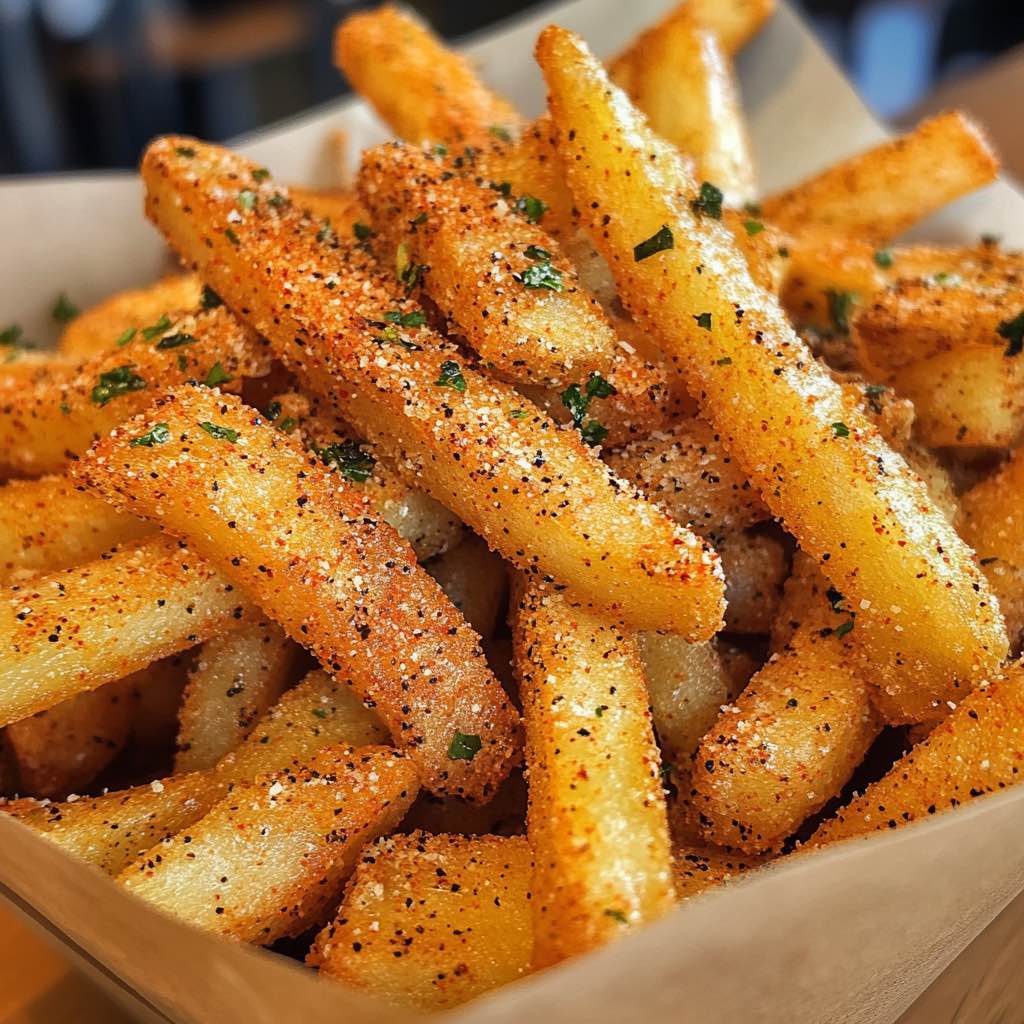
Old Bay Seasoned Fries: The Ultimate Guide to Crispy, Flavorful Perfection
Introduction
Old Bay Seasoned Fries combine the irresistible crunch of perfectly cooked potatoes with the iconic flavor of Maryland’s most beloved spice blend. These golden, crispy fries deliver a savory punch that transforms ordinary potatoes into an extraordinary side dish. Whether baking in the oven, frying in hot oil, or using an air fryer, this classic recipe brings restaurant-quality results straight to the home kitchen.
The beauty of these fries lies in their simplicity. With just a few basic ingredients and the right technique, anyone can create this crowd-pleasing dish.
What Makes Old Bay Seasoning Special
The History Behind the Blend
Old Bay Seasoning was created in 1939 by Gustav Brunn, a German immigrant who established the Baltimore Spice Company after moving to Maryland in the 1930s. Brunn developed this distinctive blend using his knowledge of spice mixing from Germany, combining up to 18 different spices to create a seasoning specifically designed for seafood.
The spice was named after the Old Bay Line, a passenger steamship that operated between Chesapeake Bay and Norfolk, Virginia. What started as a seafood seasoning quickly became a Maryland icon. In 1990, McCormick & Company purchased the brand and continues to manufacture it in Hunt Valley, Maryland, though distribution now reaches far beyond the state.
The Secret Spice Combination
Old Bay contains a complex blend of 18 herbs and spices. While the complete recipe remains proprietary, the listed ingredients include celery salt, paprika, red pepper, and black pepper. The blend also incorporates mustard, bay leaf, cloves, allspice, ginger, cardamom, and cinnamon.
This versatile seasoning works beautifully on seafood, poultry, salads, and meats. The flavor profile is distinctly savory with a slight kick of heat. Today, people sprinkle it on everything from chicken and French fries to popcorn and pizza.
Essential Ingredients
Potatoes
Russet potatoes are the gold standard for Old Bay fries. These starchy potatoes produce a fluffy interior and crispy exterior when cooked properly. Each recipe typically calls for 2-3 large russet potatoes, which yield approximately 4-6 servings.
Old Bay Seasoning
The star ingredient requires about 1 tablespoon of Old Bay per 2 large potatoes. This amount provides robust flavor without overwhelming the natural taste of the potatoes. Additional seasoning can be added after cooking for those who prefer a bolder taste.
Cooking Oil
Extra virgin olive oil works well for baked versions, using approximately 2 tablespoons per recipe. For deep frying, peanut oil or canola oil are preferred because they handle high temperatures without smoking. These neutral oils also won’t interfere with the seasoning’s complex flavors.
Optional Garnishes
Fresh parsley adds a pop of color and freshness to the finished dish. Lemon wedges provide a bright, acidic contrast that cuts through the richness. These simple garnishes elevate presentation without requiring additional ingredients.
Equipment You’ll Need
For Baked Fries
A large baking sheet is essential for spreading fries in a single layer. Line the sheet with parchment paper for easier cleanup and to prevent sticking. A large mixing bowl helps toss the fries evenly with oil and seasoning.
For Deep Fried Fries
A Dutch oven or heavy-bottomed pot provides stability and even heat distribution. The pot should hold at least 5-6 inches of oil while leaving 3 inches of space at the top. A clip-on thermometer is crucial for maintaining consistent oil temperature.
A wire spider or slotted spoon safely removes fries from hot oil. Line a sheet pan with paper towels and fit a cooling rack over it for draining excess oil. These tools ensure safe handling and crispy results.
For Air Fryer Fries
An air fryer basket accommodates fries in a single layer without stacking. Olive oil spray helps the seasoning adhere to the potatoes. A heat-resistant spatula or tongs allows for tossing fries halfway through cooking.
Classic Old Bay Fries Recipe
Preparation Steps
Start by peeling the russet potatoes, though leaving the skin on adds rustic texture and extra nutrients. Cut each potato in half lengthwise, then lay flat on a cutting board. Slice into strips approximately 1/2-inch wide for traditional fries.
Place the cut fries into a large mixing bowl and cover completely with cold water. This soaking step removes excess starch, which is key to achieving crispiness. Allow the potatoes to soak for at least 30 minutes.
After soaking, drain and rinse the fries thoroughly. Use a clean kitchen towel to dry them as completely as possible. Removing moisture is critical because water prevents proper browning and crisping.
Oven-Baked Method
Preheat the oven to 425°F for optimal crisping temperature. Spread the dried fries on a large baking sheet in a single layer, ensuring they don’t overlap. Overlapping creates steam, which leads to soggy fries rather than crispy ones.
Drizzle 2 tablespoons of olive oil over the fries and sprinkle with 1 tablespoon of Old Bay Seasoning. Use your hands to toss everything together, coating each fry evenly. This hands-on approach distributes the seasoning more uniformly than using utensils.
Bake for 20 minutes, then remove from the oven and flip the fries with a spatula. Return to the oven and continue baking for another 20 minutes, or until golden brown and crispy. Total cooking time is approximately 40 minutes.
Deep Frying Method
Fill a heavy-bottomed pot with 5-6 inches of peanut or canola oil. Attach a thermometer and heat the oil to 400°F. This high initial temperature compensates for the drop that occurs when cold potatoes hit the oil.
For best results, start with frozen fries after the initial blanching step. Blanching involves cooking the cut potatoes in 275°F oil for 3-5 minutes until tender but not browned. Drain on paper towels and freeze in a single layer.
When ready to finish cooking, heat the oil to 400°F. Carefully submerge the frozen fries using a wire spider. The temperature will drop immediately, so adjust heat to maintain 350°F throughout cooking.
Fry for 8-12 minutes until golden brown around the edges. Remove to a paper towel-lined sheet pan and immediately sprinkle with Old Bay Seasoning. The hot oil helps the seasoning stick beautifully.
Air Fryer Method
Preheat the air fryer to 380°F. After draining and drying the soaked fries, spray both sides with olive oil spray. Toss with Old Bay Seasoning to coat evenly.
Arrange fries in the air fryer basket in a single layer without stacking. Depending on basket size, cooking may require two batches for optimal results. Overcrowding prevents proper air circulation and reduces crispiness.
Cook for 14-16 minutes, tossing halfway through the cooking time. The fries are ready when they appear golden brown and crispy. This method uses significantly less oil while still achieving excellent texture.
Baking vs. Frying vs. Air Frying
Oven Baking Advantages
Baking requires minimal oil, making it a lighter option. The method accommodates large batches easily by using multiple baking sheets. Additionally, baking is safer than deep frying because it eliminates hot oil hazards.
The downside is longer cooking time, approximately 40 minutes total. Texture may be slightly less crispy than deep-fried versions. However, proper techniques like thorough drying and avoiding overcrowding produce excellent results.
Deep Frying Benefits
Deep frying delivers the crispiest exterior and fluffiest interior. The cooking time is relatively short, typically 8-12 minutes. This method produces that authentic restaurant-style texture that’s hard to replicate.
However, deep frying requires more attention and safety precautions. The oil temperature must be monitored constantly. Additionally, this method uses significantly more oil, increasing both cost and calories.
Air Frying Considerations
Air frying offers a middle ground between baking and deep frying. It produces crispy fries with minimal oil in just 14-16 minutes. The method is convenient and safer than traditional frying.
The limitation is batch size, as most air fryer baskets can’t accommodate large quantities at once. Multiple batches may be necessary when serving a crowd. Check out our guide on [insert link] for more air fryer tips.
Expert Tips for Maximum Crispiness
Soak the Potatoes
Soaking cut potatoes in cold water for at least 30 minutes removes excess starch. This crucial step prevents fries from sticking together and promotes better browning. For even better results, change the water once or twice during soaking.
Dry Thoroughly
After soaking, use a clean kitchen towel to remove as much moisture as possible. Some cooks even place the fries on a baking tray and put them in a warm oven for a few minutes to evaporate remaining water. Dry potatoes equal crispy fries.
Don’t Overcrowd
Whether baking, frying, or air frying, give each fry enough space. Fries should be arranged in a single layer without touching or stacking. Overcrowding creates steam, which is the enemy of crispiness.
Flip Halfway Through
For oven-baked fries, toss them halfway through cooking to ensure even browning on all sides. Use a spatula to flip and redistribute them on the baking sheet. This simple step makes a significant difference in texture.
Temperature Matters
For baking, maintain a temperature of 425°F throughout cooking. For deep frying, keep the oil at a steady 350°F once the fries are added. Consistent temperature control is essential for achieving the perfect crisp.
Season Immediately
Add Old Bay Seasoning right after removing fries from heat. The residual heat and any surface oil help the seasoning adhere properly. For extra flavor, toss the fries in a large metal bowl to distribute the seasoning evenly.
Use the Right Potato
Russet potatoes are ideal because their high starch content creates a fluffy interior. Waxy potatoes like red or Yukon gold don’t crisp as well. Stick with russets for the best texture.
Popular Variations and Flavor Combinations
Sweet Potato Old Bay Fries
Substitute sweet potatoes for russets to create a sweeter, more nutritious version. The natural sweetness of sweet potatoes pairs surprisingly well with the savory spice blend. Follow the same preparation method, though sweet potatoes may cook slightly faster.
Loaded Old Bay Fries
Transform basic fries into a hearty meal by adding toppings. Consider melted cheddar cheese, crispy bacon bits, sour cream, and chopped green onions. The Old Bay seasoning adds a unique twist to this loaded fries concept.
Extra Spicy Version
For heat lovers, combine Old Bay with additional spices. Mix 1 tablespoon jalapeno powder, 1 tablespoon garlic powder, 4 tablespoons Old Bay, and 2 tablespoons kosher salt. This intensified blend brings serious kick.
Garlic Parmesan Old Bay Fries
After cooking, toss the fries with grated Parmesan cheese and minced garlic in addition to Old Bay. The combination of savory cheese, pungent garlic, and complex Old Bay creates an irresistible flavor. This variation works especially well with baked fries.
Wedge Cut Style
Instead of traditional fries, cut potatoes into thick wedges. Slice each potato in half, then cut each half into 3-4 wedges. Wedges require slightly longer cooking time but offer more substantial texture.

Perfect Dipping Sauces
Quick Old Bay Aioli
Combine 1/4 cup mayonnaise, 1/4 teaspoon lemon juice, and 1/2 teaspoon Old Bay Seasoning. Whisk together until smooth. This three-ingredient sauce is ready in minutes.
While traditional aioli is an emulsion made from scratch, this quick version uses mayonnaise as a base for convenience. The result is creamy, tangy, and perfectly complementary to the fries. Garnish with fresh chopped parsley for added freshness.
Horseradish Aioli
For a spicier dipping option, add prepared horseradish to the basic aioli recipe. The sharp, pungent flavor of horseradish cuts through the richness of the fries. Mix thoroughly to break up any horseradish lumps.
Add lemon zest before juicing the lemon for extra citrus brightness. This sauce pairs especially well with deep-fried Old Bay fries. The combination of heat, tang, and creaminess creates perfect balance.
Creole Mustard Sauce
Whisk together sour cream, Old Bay Seasoning, malt vinegar, and prepared mustard. This tangy, zesty sauce complements the spiced fries beautifully. Season with additional salt and pepper to taste.
The tanginess of the vinegar and mustard balances the richness of the fries. This sauce is particularly popular in the Baltimore area where Old Bay originated. It brings authentic regional flavor to the dish.
Classic Ketchup Upgrade
Elevate plain ketchup by stirring in a pinch of Old Bay Seasoning. This simple addition ties the sauce flavor to the fries. The familiar taste of ketchup gains new depth and complexity.
Nutritional Information
Basic Nutrition Facts
A typical serving of oven-baked Old Bay fries (approximately 1 cup) contains around 150-200 calories. The calorie count increases significantly with deep frying due to oil absorption. Air-fried versions fall somewhere in the middle.
Russet potatoes provide vitamin C, potassium, and vitamin B6. They also contain dietary fiber, especially when skin is left on. Potatoes themselves are naturally fat-free and low in sodium.
Seasoning Considerations
Old Bay Seasoning is relatively low in calories but contains sodium from the celery salt base. One tablespoon of Old Bay adds approximately 15-20 calories. Those watching sodium intake should adjust the amount used accordingly.
The spice blend also contains beneficial compounds from ingredients like paprika, ginger, and black pepper. These spices provide antioxidants and anti-inflammatory properties. The complex flavor allows for satisfying taste without requiring excessive salt.
Healthier Preparation Methods
Oven-baking with minimal olive oil creates the lightest version. Using olive oil spray instead of drizzling reduces fat content further. Leaving potato skins on adds fiber and nutrients.
Sweet potato substitution increases vitamin A content and adds additional fiber. Pairing fries with protein-rich dipping sauces makes them more satiating. Portion control remains important regardless of cooking method.
Common Mistakes to Avoid
Skipping the Soak
Failing to soak the cut potatoes results in less crispy fries. The excess starch on the surface causes sticking and uneven browning. Always allow at least 30 minutes for proper starch removal.
Insufficient Drying
Adding wet potatoes to hot oil causes dangerous splattering. Moisture also prevents proper crisping and browning. Take the time to thoroughly pat potatoes dry with kitchen towels.
Overcrowding the Pan
Stacking fries on top of each other creates steam rather than allowing for even cooking. This mistake is common when trying to cook too many fries at once. Use multiple baking sheets or cook in batches instead.
Wrong Temperature
Baking at temperatures lower than 425°F results in limp, pale fries. For deep frying, oil that’s too cool produces greasy, soggy fries. Conversely, oil that’s too hot burns the exterior before cooking the interior.
Adding Seasoning Too Early
Seasoning raw potatoes before baking can cause the spices to burn. For best results, add Old Bay after cooking or toss it with oil right before baking. The heat helps release the aromatic compounds in the spices.
Using the Wrong Potatoes
Waxy potatoes don’t develop the same crispy exterior as starchy russets. New potatoes and red potatoes remain too firm and don’t fluff properly inside. Always choose russet or Idaho potatoes for traditional fries.
Storing and Reheating
Storage Guidelines
Cooked Old Bay fries can be stored in an airtight container in the refrigerator for 3-5 days. Allow fries to cool completely before storing to prevent condensation. Condensation creates sogginess that affects texture when reheating.
For longer storage, freeze fries in a single layer on a baking sheet first. Once frozen solid, transfer to a freezer-safe bag or container. Properly frozen fries maintain quality for up to 6 months.
Reheating Methods
The oven produces the best results for reheating fries. Preheat to 425°F and spread fries on a baking sheet in a single layer. Bake for 15-20 minutes until heated through and crispy.
Frozen fries require approximately 30 minutes at the same temperature. There’s no need to thaw frozen fries before reheating. The hot oven temperature crisps them up beautifully from frozen.
Avoid microwaving fries as it makes them soggy and rubbery. An air fryer also works well for reheating smaller portions. Heat at 375°F for 5-7 minutes, shaking the basket halfway through.
Serving Suggestions
As a Side Dish
Old Bay fries pair wonderfully with seafood dishes, echoing the seasoning’s traditional use. Serve alongside grilled fish, shrimp skewers, or crab cakes. The spice blend creates cohesive flavor throughout the meal.
They also complement burgers, sandwiches, and grilled chicken. The savory, slightly spicy notes balance rich proteins. Consider serving with coleslaw for a complete plate.
Party Platter Ideas
Arrange fries on a large serving platter with multiple dipping sauces. Include Old Bay aioli, horseradish sauce, and flavored ketchup for variety. Garnish the platter with fresh parsley and lemon wedges.
For casual gatherings, serve fries in individual paper cones or small baskets. This presentation makes them easy to eat while socializing. Add small ramekins of dipping sauce to each serving.
Game Day Snacks
Transform Old Bay fries into loaded nachos-style snacks. Top with melted cheese, sour cream, and fresh vegetables. The sturdy fries hold toppings better than traditional chips.
Create a fry bar where guests can customize their own servings. Offer various toppings like different cheeses, bacon, and multiple sauce options. This interactive approach adds fun to any gathering.
FAQs
Can I make Old Bay Seasoned Fries ahead of time?
Yes, the blanching method allows for advance preparation. Blanch the cut potatoes in 275°F oil for 3-5 minutes, then drain and freeze. When ready to serve, fry the frozen potatoes at 350°F until crispy and golden. This technique actually improves texture and is commonly used in restaurants.
What type of potato works best for Old Bay fries?
Russet potatoes are the best choice because of their high starch content. This starch creates a fluffy interior and crispy exterior when cooked. Avoid waxy potatoes like red or new potatoes, as they don’t develop the same texture.
How much Old Bay Seasoning should I use?
Start with 1 tablespoon of Old Bay per 2 large potatoes. This provides good flavor without overwhelming the potatoes. Additional seasoning can be added after cooking for those who prefer stronger taste. Taste preferences vary, so adjust the amount to personal liking.
Can I use frozen store-bought fries?
Absolutely, frozen fries work well and save preparation time. Follow the package cooking instructions, then season with Old Bay Seasoning when hot. For baked fries, toss with Old Bay and oil before cooking to help it stick. The convenience of frozen fries makes this recipe even more accessible.
Are Old Bay Seasoned Fries gluten-free?
Old Bay Seasoning itself is gluten-free. Potatoes are naturally gluten-free as well. Therefore, homemade Old Bay fries are safe for those avoiding gluten. Always check labels on any additional ingredients or dipping sauces used.
What’s the best oil for frying Old Bay fries?
Peanut oil and canola oil are ideal for deep frying because they have high smoke points. These neutral-flavored oils won’t interfere with the Old Bay seasoning. For oven-baked versions, extra virgin olive oil adds flavor and works well at 425°F.
How do I keep fries crispy longer?
Serve fries immediately after cooking for best texture. If holding them, place on a wire rack rather than a plate to allow air circulation. Avoid covering hot fries, as trapped steam makes them soggy. For reheating, use an oven or air fryer rather than a microwave.
Can I make these fries in a deep fryer?
Yes, a countertop deep fryer works perfectly for this recipe. Set the temperature to 350°F and follow the same frying instructions. The built-in thermostat makes temperature control easier than stovetop frying. Fry in batches to avoid overcrowding.
Conclusion
Old Bay Seasoned Fries deliver exceptional flavor and satisfying crunch with minimal ingredients and effort. Whether using the oven-baking method, deep frying technique, or air fryer approach, the result is consistently delicious. The iconic Maryland seasoning transforms ordinary potatoes into something truly special.
Success lies in proper technique: soaking the potatoes, drying thoroughly, avoiding overcrowding, and seasoning at the right time. These simple steps ensure restaurant-quality results at home. The versatility of this recipe allows for countless variations and serving options.
Whether serving as a side dish for seafood, creating loaded fries for game day, or simply enjoying as a savory snack, Old Bay Seasoned Fries never disappoint. The combination of crispy texture and complex seasoning makes them universally appealing. Try this recipe today and experience why this flavor pairing has remained popular for over 80 years.
Ready to make your own batch? Gather your ingredients and start with the classic recipe, then experiment with variations to find the perfect version.

Old Bay Seasoned Fries
Description
Old Bay Seasoned Fries
Ingredients
-
4 large russet potatoes (or use frozen fries for convenience)
-
2 tbsp olive oil (or melted butter for extra richness)
-
1½–2 tsp Old Bay seasoning (adjust to taste)
-
½ tsp garlic powder
-
½ tsp paprika (optional, for color)
-
Salt, to taste
-
Fresh parsley, chopped (for garnish)
Optional Dipping Sauce:
-
½ cup mayonnaise
-
1 tbsp ketchup
-
1 tsp lemon juice
-
½ tsp Old Bay seasoning
Instructions
-
Prep the Potatoes:
-
Peel (optional) and cut potatoes into thin fries.
-
Soak in cold water for 30 minutes to remove excess starch.
-
Drain and pat completely dry with paper towels.
-
-
Season and Bake (or Air Fry):
-
Toss fries with olive oil, Old Bay seasoning, garlic powder, paprika, and a pinch of salt.
-
Spread in a single layer on a baking sheet.
-
Bake at 425°F (220°C) for 25–30 minutes, flipping halfway, until crispy and golden.
— or — -
Air fry at 400°F (200°C) for 15–18 minutes, shaking halfway through.
-
-
Make the Dipping Sauce (optional):
-
Mix mayo, ketchup, lemon juice, and Old Bay in a small bowl.
-
Chill until ready to serve.
-
-
Serve:
-
Toss hot fries with a light sprinkle of extra Old Bay and chopped parsley.
-
Serve immediately with dipping sauce or your favorite condiment.
-