
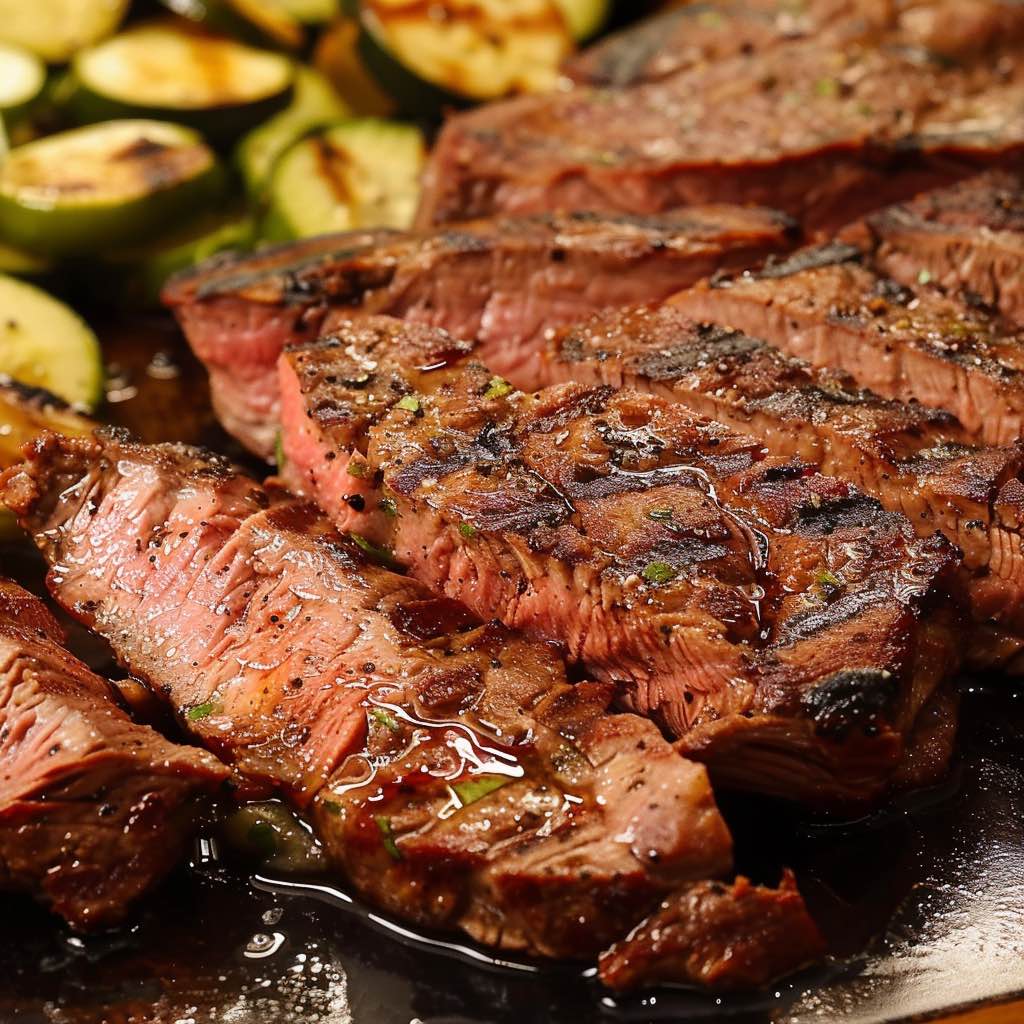
Marinated Top Round Steak: The Ultimate Guide to Tender, Flavorful Beef
Marinated top round steak transforms an affordable, lean cut of beef into a tender and flavorful meal that rivals more expensive options. This comprehensive guide explores everything needed to master this budget-friendly protein, from selecting the perfect marinade to achieving restaurant-quality results at home. Whether grilling, pan-searing, or slow-cooking, proper marination techniques unlock the full potential of this versatile cut.
Understanding Top Round Steak
Top round steak comes from the rear leg of the cow, making it one of the leanest cuts available at most grocery stores. This cut contains minimal marbling and fat, which contributes to its affordability but also presents challenges in achieving tenderness. The muscle fibers in this area work hard during the animal’s life, resulting in a tougher texture compared to premium cuts like ribeye or tenderloin.
Despite these characteristics, top round steak offers exceptional value for families and meal preppers. The cut provides high-quality protein at a fraction of the cost of other steaks. Understanding these fundamentals helps cooks make informed decisions about preparation methods and sets realistic expectations for the final result.
Identifying Quality Top Round
Look for steaks with consistent thickness throughout, ideally between one-half to one inch thick. The meat should display a bright red color without excessive moisture in the packaging. Minimal visible fat along the edges is normal for this lean cut, but the surface should appear smooth rather than torn or damaged.
Why Marinating Matters
Marinating serves two critical functions for tough cuts like top round steak. First, acidic ingredients in marinades break down tough muscle fibers, transforming the texture from chewy to tender. Second, the process infuses deep flavors throughout the meat, compensating for the lack of natural marbling that provides richness in fattier cuts.
The tenderizing effect occurs when acids penetrate the meat’s surface layers. Ingredients like lemon juice, vinegar, and soy sauce contain natural enzymes and acids that slowly dissolve connective tissues. This chemical process requires adequate time, typically ranging from two to eight hours for optimal results.
Flavor penetration happens simultaneously as the marinade seeps into the meat. Oil-based components carry fat-soluble flavor compounds deep into the steak, while water-based ingredients distribute herbs and spices throughout. The combination creates complexity that makes each bite interesting and satisfying.
Essential Marinade Components
Every effective marinade for top round steak contains three fundamental elements that work together harmoniously. Understanding these components enables home cooks to create custom blends tailored to personal preferences.
Acidic Base
The acidic component serves as the tenderizing agent in any marinade. Common options include lemon juice, which provides bright citrus notes, or balsamic vinegar, which adds subtle sweetness. Soy sauce contributes both acidity and umami depth, making it a versatile choice for Asian-inspired preparations. Worcestershire sauce offers tangy complexity with hints of tamarind and molasses.
Oil Component
Oil performs multiple functions in a marinade beyond flavor delivery. It helps acidic ingredients adhere to the meat’s surface, ensuring even coverage during the marinating period. Olive oil remains the most popular choice for its fruity notes and health benefits. Vegetable oil or avocado oil work equally well for neutral profiles that won’t compete with other flavors.
Seasonings and Aromatics
Herbs, spices, and aromatic vegetables round out the flavor profile. Fresh or dried garlic appears in nearly every top-performing marinade recipe, providing pungent depth. Italian seasoning, which typically contains oregano, basil, and thyme, adds Mediterranean character. Black pepper contributes gentle heat, while red pepper flakes increase intensity for those who enjoy spice.
Best Marinade Recipes
These tested marinade formulas deliver consistent results with top round steak. Each recipe yields enough for approximately two pounds of meat.
Classic Steakhouse Marinade
This traditional blend combines soy sauce (one-third cup), fresh lemon juice (one-third cup), olive oil (one-half cup), and Worcestershire sauce (one-quarter cup). Add one tablespoon minced garlic, two tablespoons Italian seasoning, one teaspoon black pepper, one-half teaspoon salt, and a pinch of red pepper flakes. Whisk all ingredients until thoroughly combined before adding the steak.
Sweet and Savory Asian-Style
Blend pineapple juice (one cup), soy sauce (one-quarter cup), barbecue sauce (one-quarter cup), and vegetable oil (one-quarter cup) for a crowd-pleasing marinade. This combination tenderizes effectively while adding subtle sweetness that caramelizes beautifully during cooking. The tropical notes complement beef without overwhelming its natural flavor.
Citrus Herb Marinade
Combine orange juice (one-quarter cup), lime juice from two limes, soy sauce (two tablespoons), honey (two tablespoons), olive oil (one tablespoon), minced garlic (three teaspoons), and fresh grated ginger (one tablespoon). Add a pinch of red pepper flakes for warmth. This bright marinade works exceptionally well for grilled preparations where the citrus creates appealing char marks.
Garlic Balsamic Marinade
Whisk together balsamic vinegar (one-quarter cup), soy sauce (one-quarter cup), olive oil (one-quarter cup), Worcestershire sauce (two tablespoons), honey (one tablespoon), minced garlic (two cloves), and Italian seasoning (one tablespoon). The balsamic provides gentle acidity that won’t overpower delicate palates. This versatile blend suits both grilling and pan-searing methods.
How to Marinate Properly
Proper marinating technique maximizes flavor development and ensures food safety. Following these steps produces consistently excellent results.
Preparation Steps
Place the top round steak in a large resealable plastic bag or non-reactive dish made of glass or ceramic. Avoid using metal containers, as acids in marinades can react with aluminum or copper, creating off-flavors. Pour the prepared marinade over the meat, ensuring complete coverage on all surfaces. Seal the bag while removing as much air as possible, or cover the dish tightly with plastic wrap.
Marinating Time Guidelines
Refrigerate marinating steak for a minimum of two hours and up to eight hours for traditional methods. Overnight marination ranging from twelve to twenty-four hours produces the most pronounced flavor and tenderness. Never exceed twenty-four hours, especially with highly acidic marinades, as the meat can develop a mushy texture from over-tenderization. Quick marinators using vacuum technology can reduce time to ten to twenty minutes, though traditional methods generally yield superior results.
Temperature Considerations
Always marinate in the refrigerator rather than at room temperature to prevent bacterial growth. Remove the steak from refrigeration thirty minutes before cooking to allow it to approach room temperature, which promotes even cooking throughout. Pat the meat dry with paper towels after removing it from the marinade, as excess moisture prevents proper browning.
Cooking Methods for Success
Marinated top round steak adapts to multiple cooking techniques, each offering distinct advantages. Selecting the appropriate method depends on available equipment and desired final texture.
Pan-Searing Method
Heat a cast-iron skillet over medium-high heat until very hot. Add one tablespoon of oil and immediately place the dried, marinated steak in the pan. Sear for four to five minutes without moving the meat to develop a golden-brown crust. Flip once and cook an additional four to five minutes for medium-rare doneness. Add butter, crushed garlic, and fresh rosemary during the final minute, basting the steak with the melted butter.
Grilling Technique
Preheat a charcoal or gas grill to medium-high heat, approximately 400°F to 450°F. Oil the grates to prevent sticking. Place the marinated steak on the hottest part of the grill and cook for five to ten minutes per side, depending on thickness. Flip only once to maintain juices and achieve attractive grill marks. Internal temperature should reach 145°F for medium-rare, the recommended doneness for top round to prevent toughness.
Slow-Cooking Method
For maximum tenderness, combine marinated top round with braising liquid in an oven-safe skillet. Preheat the oven to 325°F. Sear the steak on both sides in a hot pan, then add beef broth, onions, and additional seasonings. Cover tightly with foil and braise in the oven for two to three hours until fork-tender. This low-and-slow approach breaks down collagen completely, resulting in melt-in-your-mouth texture.
Air Fryer Option
Season the marinated steak and place it in a greased air fryer basket. Set the temperature to 400°F and cook for fifteen minutes, flipping halfway through the cooking time. This method provides convenience for smaller portions without heating up the kitchen. The circulating hot air creates a pleasant crust while maintaining juiciness inside.
Expert Tips and Techniques
Professional techniques elevate home-cooked marinated top round steak from good to exceptional. These insider secrets make noticeable differences in final results.
Tenderizing Before Marinating
Place the steak between two pieces of parchment paper and pound it gently with a meat mallet before marinating. This physical tenderization breaks down muscle fibers mechanically, complementing the chemical tenderization from the marinade. Focus on thicker areas to achieve uniform thickness throughout the cut. This technique also reduces overall cooking time by creating a thinner profile.
Slicing Against the Grain
After cooking and resting, always slice marinated top round steak against the grain for maximum tenderness. Identify the direction of the muscle fibers and cut perpendicular to them. This shortens the fibers that teeth must break through during chewing, dramatically improving perceived tenderness. Aim for slices approximately one-quarter inch thick for the best eating experience.
Resting Period Importance
Allow cooked steak to rest for five to ten minutes before slicing. During this time, juices redistribute throughout the meat rather than running onto the cutting board. Cover the steak loosely with foil to maintain warmth without trapping steam that softens the crust. This simple step significantly impacts juiciness and overall satisfaction.
Deglazing for Sauce
After removing the cooked steak from the pan, pour a splash of beef broth into the hot skillet. Scrape the bottom with a wooden spoon to release flavorful browned bits stuck to the surface. Reduce this liquid by half to create a simple pan sauce that adds restaurant-quality finish. Pour the sauce over sliced steak just before serving for elevated presentation.
Common Mistakes to Avoid
Recognizing potential pitfalls prevents disappointing results. These frequently encountered errors sabotage otherwise well-executed marinated top round steak.
Overcooking the Meat
Top round steak becomes increasingly tough when cooked beyond medium doneness. The lack of fat means no internal lubrication to compensate for moisture loss from prolonged heat exposure. Use an instant-read thermometer to monitor internal temperature, removing the steak at 145°F for medium-rare. Carryover cooking raises the temperature an additional five degrees during resting.
Insufficient Marinating Time
Rushing the marinating process yields mediocre results lacking both tenderness and flavor depth. Top round’s dense muscle structure requires adequate time for marinade penetration. Plan ahead by marinating overnight whenever possible, or allow at minimum four hours for noticeable improvement. Quick thirty-minute marinades provide surface flavor only without meaningful tenderization.
Using the Wrong Pan
Thin, lightweight pans fail to maintain consistent high heat necessary for proper searing. The temperature drops dramatically when cold meat contacts the cooking surface, preventing crust formation. Invest in a heavy cast-iron skillet or thick stainless steel pan that retains heat effectively. Preheat the pan thoroughly before adding oil and steak.
Skipping the Drying Step
Placing wet, marinade-coated steak directly into a hot pan causes steaming rather than searing. Excess surface moisture must evaporate before the Maillard reaction creates desirable browning. Pat the steak completely dry with paper towels immediately before cooking. This simple step makes the difference between pale, steamed meat and beautifully caramelized steak.
Nutritional Benefits
Top round steak provides impressive nutritional value, making it an excellent choice for health-conscious meal planning. The lean profile suits various dietary approaches.
Protein Content
A three-ounce serving of cooked top round steak delivers approximately twenty-five to thirty-two grams of complete protein. This substantial amount supports muscle maintenance, tissue repair, and satiety between meals. The protein quality scores highly due to the presence of all essential amino acids in optimal ratios. Athletes and active individuals benefit particularly from this concentrated protein source.
Low Fat Profile
Top round contains only four to seven grams of total fat per three-ounce serving, with one to two grams of saturated fat. This makes it one of the leanest red meat options available, comparable to skinless chicken breast. The minimal fat content appeals to those monitoring calorie intake while still desiring red meat’s unique nutrient profile. Total calories range from 140 to 197 per serving depending on cooking method.
Micronutrient Richness
Beyond macronutrients, top round steak provides significant amounts of iron, zinc, and B vitamins. A single serving delivers approximately three milligrams of iron, supporting oxygen transport throughout the body. Zinc content reaches 4.3 milligrams per serving, promoting immune function and wound healing. These nutrients occur in highly bioavailable forms more easily absorbed than plant-based sources.
Storage and Food Safety
Proper storage practices maintain quality and prevent foodborne illness. Following safe handling guidelines ensures delicious results every time.
Fresh Steak Storage
Store unopened top round steak in its original packaging in the coldest part of the refrigerator, typically the back of the bottom shelf. Use within three to five days of purchase for optimal quality. If planning to marinate immediately, transfer the steak to a marinade container upon arriving home from the store. This maximizes marinating time while the meat maintains peak freshness.
Freezing Guidelines
Freeze top round steak for longer storage, where it maintains quality for six to twelve months. Wrap tightly in plastic wrap followed by aluminum foil, or use vacuum-sealed bags for best results. Label packages with the date to track storage time accurately. Thaw frozen steak in the refrigerator over twenty-four hours rather than at room temperature to prevent bacterial growth.
Marinated Steak Storage
Marinating steak in the refrigerator extends storage time slightly due to the acidic environment inhibiting bacterial growth. However, still consume or freeze marinated steak within four days maximum. Never reuse marinade that contacted raw meat unless it has been boiled for several minutes to kill potential pathogens. Prepare extra marinade separately if planning to use some as a finishing sauce.
Serving Suggestions and Pairings
Marinated top round steak pairs beautifully with various side dishes that complement its savory profile. Strategic combinations create balanced, satisfying meals.
Vegetable Accompaniments
Roasted vegetables bring natural sweetness that contrasts nicely with the umami-rich steak. Try combinations like roasted Brussels sprouts with balsamic glaze, or caramelized carrots with fresh herbs. Grilled asparagus seasoned simply with olive oil, salt, and pepper provides elegant simplicity. Sautéed green beans with garlic and toasted almonds add textural variety to the plate.
Starch Options
Classic mashed potatoes remain a steakhouse favorite for good reason. The creamy texture and buttery flavor provide comfort alongside the lean protein. Alternatively, consider garlic herb roasted potatoes for a lighter option with crispy exteriors. Rice pilaf with toasted orzo and fresh parsley offers a versatile base that absorbs delicious meat juices. For low-carb approaches, cauliflower rice seasoned with butter and herbs satisfies without heaviness.
Salad Pairings
Fresh salads provide refreshing contrast to rich marinated steak. A simple mixed green salad with vinaigrette adds brightness and helps cleanse the palate between bites. Caesar salad with crunchy romaine and Parmesan cheese creates a steakhouse-inspired combination. For something unique, try an arugula salad with cherry tomatoes, shaved Parmesan, and lemon dressing. The peppery arugula complements beef’s savory notes particularly well.
Frequently Asked Questions
How long should I marinate top round steak?
Marinate top round steak for a minimum of two hours and up to twenty-four hours for optimal tenderness and flavor. The ideal timeframe falls between four and eight hours, which allows sufficient time for acids to break down tough muscle fibers without over-tenderizing the meat. Overnight marination produces the deepest flavor penetration and most noticeable texture improvement. Never exceed twenty-four hours, as prolonged exposure to acidic ingredients can create an unpleasant mushy texture.
Can I marinate top round steak at room temperature?
Always marinate steak in the refrigerator rather than at room temperature to prevent dangerous bacterial growth. The danger zone for bacterial multiplication occurs between 40°F and 140°F. Raw meat left at room temperature for more than two hours becomes unsafe to consume. Remove the marinated steak from refrigeration thirty minutes before cooking to take the chill off, but never leave it out during the actual marinating period.
What makes top round steak tough?
Top round comes from the cow’s rear leg, a heavily exercised muscle group that develops dense, tough fibers. The cut contains minimal intramuscular fat or marbling that would otherwise provide tenderness and moisture during cooking. These characteristics make top round less naturally tender than cuts from less-active areas like the loin or rib section. Proper marination, tenderizing techniques, and careful cooking methods help overcome these challenges.
Should I pierce the steak before marinating?
Avoid piercing or poking holes in top round steak before marinating, as this releases valuable juices that keep the meat moist during cooking. Marinades penetrate effectively through the meat’s surface without mechanical assistance. Instead, use a meat mallet to pound the steak between parchment paper, which tenderizes without creating juice-leaking punctures. The flattened surface area also allows more marinade contact for enhanced flavor.
Can I use the leftover marinade as a sauce?
Never use marinade that contacted raw meat as a sauce without proper heat treatment. The raw meat contaminates the marinade with potentially harmful bacteria that cause foodborne illness. If planning to use marinade as a finishing sauce, reserve a portion before it contacts the raw steak, or boil used marinade for at least five minutes to kill pathogens. The safer approach involves preparing a fresh batch using the same recipe for drizzling over cooked steak.
What internal temperature should I aim for?
Remove marinated top round steak from heat when it reaches an internal temperature of 145°F for medium-rare doneness. This temperature provides the ideal balance between food safety and tenderness for this lean cut. Cooking beyond medium (160°F) results in noticeably tougher, drier meat that becomes difficult to chew. Use an instant-read thermometer inserted into the thickest part of the steak for accurate measurement. Remember that carryover cooking raises the temperature an additional five degrees during the resting period.
Conclusion
Marinated top round steak offers exceptional value for budget-conscious home cooks willing to invest time in proper preparation. The combination of effective marinades, appropriate cooking techniques, and strategic slicing transforms this affordable cut into tender, flavorful meals that satisfy the heartiest appetites. Success requires patience during the marinating process and attention to cooking temperatures, but the results justify the effort with restaurant-quality beef at a fraction of the cost.
The versatility of top round steak makes it suitable for numerous culinary applications, from quick weeknight dinners to impressive weekend entertaining. Experimenting with different marinade profiles keeps meals interesting while the fundamental techniques remain consistent. Master these methods once, and they serve reliably for years of delicious home cooking.
Print
Marinated Top Round Steak
Description
Marinated Top Round Steak
Ingredients
-
2 lbs top round steak (about 1-inch thick)
-
½ cup olive oil
-
¼ cup soy sauce
-
2 tbsp Worcestershire sauce
-
2 tbsp balsamic vinegar
-
3 garlic cloves, minced
-
1 tbsp Dijon mustard
-
1 tbsp brown sugar or honey
-
1 tsp onion powder
-
1 tsp crushed black pepper
-
1 tsp salt
-
1 tsp dried rosemary or thyme
-
Optional: pinch of red pepper flakes for heat
Instructions
-
Make the Marinade
In a large bowl, whisk together olive oil, soy sauce, Worcestershire sauce, vinegar, garlic, mustard, brown sugar, and seasonings until fully combined. -
Marinate the Steak
Place the steak in a large resealable bag or shallow dish. Pour the marinade over the meat, turning to coat.
Refrigerate for at least 4 hours, preferably overnight for maximum flavor. -
Preheat the Grill or Cast Iron Pan
Remove the steak from the marinade and let it come to room temperature (about 30 minutes).
Pat dry slightly to help with searing. -
Grill or Sear the Steak
Grill or sear over medium-high heat for about 5–6 minutes per side for medium-rare (depending on thickness).
Adjust time for your preferred doneness:-
Rare: 125°F (52°C)
-
Medium Rare: 135°F (57°C)
-
Medium: 145°F (63°C)
-
-
Rest Before Slicing
Transfer to a cutting board, tent loosely with foil, and let rest for 10 minutes.
Slice against the grain for tender, juicy pieces.